
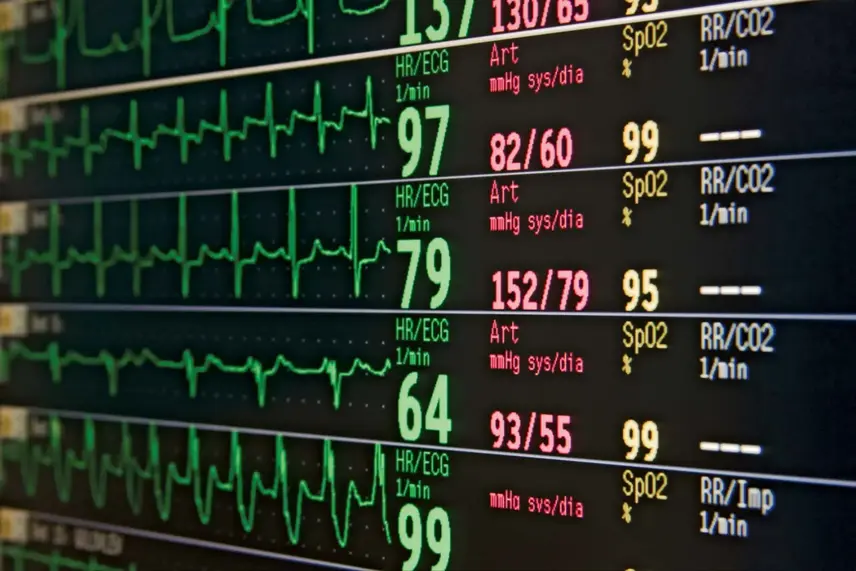
Computerized ECG in Thiruporur
ECG Test at AVR Scan Centre
If your doctor has recommended a Computerized ECG in Thiruporur, you may want to understand what the test is, why it is performed, what it can detect, whether it is painful, how to prepare and what happens during the examination.
A Computerized ECG (Electrocardiogram) is a diagnostic test that records the electrical activity of the heart. Every heartbeat is generated by electrical impulses that travel through the heart muscle in a coordinated pattern. An ECG captures these signals and displays them as waveforms that help healthcare professionals assess heart rhythm and cardiac electrical function.
Because it is quick, painless and non-invasive, ECG is one of the most commonly performed cardiac investigations worldwide. Doctors may recommend an ECG when evaluating symptoms such as chest discomfort, palpitations, dizziness, breathlessness or irregular heartbeats.
At AVR Scan Centre, Thiruporur, Computerized ECG services are available for patients seeking cardiac diagnostic testing as advised by their healthcare provider.
Patients from Thiruporur, Kelambakkam, Padur, Navalur, Siruseri, Chengalpattu and nearby OMR locations can conveniently access ECG testing services.
What Is a Computerized ECG?
A Computerized ECG, also known as an Electrocardiogram or EKG, is a test that records the heart's electrical activity.
The heart contains a specialized electrical conduction system that generates and transmits impulses responsible for each heartbeat. These electrical signals can be detected through electrodes placed on the skin.
The ECG machine records these signals and converts them into graphical waveforms that healthcare professionals analyze as part of a cardiac assessment.
An ECG may provide information about:
- Heart rhythm
- Heart rate
- Electrical conduction
- Cardiac electrical activity
- Certain heart-related abnormalities
The examination itself does not treat any condition. Instead, it serves as a diagnostic tool that may assist healthcare professionals in evaluating cardiac health.
Computerized ECG in Thiruporur – Where Can You Get an ECG Test?
If you are searching for a Computerized ECG in Thiruporur, AVR Scan Centre provides ECG testing services for patients requiring heart rhythm assessment and cardiac diagnostic support.
The Thiruporur centre serves patients from:
- Thiruporur
- Kelambakkam
- Padur
- Navalur
- Siruseri
- Egattur
- Chengalpattu
- OMR Corridor
Before visiting, patients may wish to confirm:
- ECG availability
- Appointment requirements
- Doctor referral requirements
- Previous reports to bring
- Additional cardiac tests requested by the doctor
Why Might a Doctor Recommend a Computerized ECG?
A Computerized ECG provides information about the electrical function of the heart.
The test may help healthcare professionals evaluate:
Heart Rate
The ECG can determine whether the heart is beating too quickly, too slowly or within an expected range.
Heart Rhythm
The examination can identify rhythm disturbances and irregular heartbeats.
Electrical Conduction
The ECG records how electrical impulses travel through the heart.
Cardiac Monitoring
The test may be useful as part of ongoing assessment and follow-up of certain cardiac conditions.
Heart Function Assessment
ECG findings may contribute to the overall evaluation of cardiovascular health when interpreted within the appropriate clinical context.
What Conditions Can a Computerized ECG Help Evaluate?
A Computerized ECG is commonly used as part of the assessment of various heart-related symptoms and conditions. While an ECG alone may not provide a complete diagnosis, it can offer valuable information about the electrical activity of the heart and help guide further evaluation when necessary.
Depending on the clinical situation, an ECG may contribute to the assessment of:
- Irregular heart rhythms (arrhythmias)
- Rapid heart rate (tachycardia)
- Slow heart rate (bradycardia)
- Conduction abnormalities
- Certain heart muscle disorders
- Previous heart attacks
- Ongoing cardiac monitoring
- Chest pain evaluation
- Palpitations
- Cardiovascular risk assessment
The significance of ECG findings depends on the patient's symptoms, medical history, physical examination and additional investigations.
How Does a Computerized ECG Work?
The heart generates electrical impulses that coordinate every heartbeat.
These impulses begin in a specialized area known as the sinoatrial (SA) node and travel through the heart's electrical conduction system, causing the heart muscle to contract and pump blood throughout the body.
A Computerized ECG records these electrical signals through small electrodes attached to the skin.
The machine detects the signals and converts them into a graphical tracing that represents different phases of the cardiac cycle.
Healthcare professionals analyze these waveforms to assess:
- Heart rhythm
- Heart rate
- Electrical conduction pathways
- Cardiac electrical activity
Because ECG records electrical activity rather than the physical structure of the heart, it is often used alongside other cardiac investigations when additional information is needed.
What Happens During a Computerized ECG?
A Computerized ECG is one of the simplest and quickest cardiac investigations available.
The examination is painless and typically takes only a few minutes to perform.
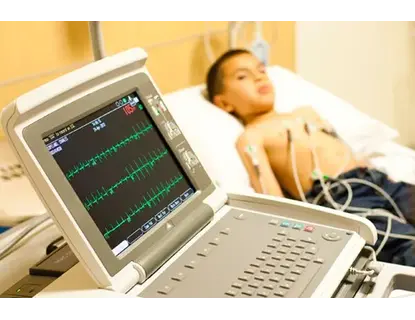
Before the recording begins, small adhesive electrodes are placed on specific areas of the chest, arms and legs.
These electrodes are connected to the ECG machine through wires that transmit electrical signals from the heart.
During the examination, patients are usually asked to lie comfortably and remain still while the recording is obtained.
The ECG machine then captures the heart's electrical activity and generates a digital tracing for review.
Once the recording is complete, the electrodes are removed and the examination is finished.
The procedure does not involve injections, needles, sedation or recovery time.
How Should You Prepare for a Computerized ECG?
One of the advantages of ECG testing is that very little preparation is usually required.
Patients can generally continue their normal daily activities unless their doctor provides specific instructions.
Before the examination, it may be helpful to:
- Wear comfortable clothing
- Avoid applying creams or oils to the chest area
- Bring previous ECG reports if available
- Carry relevant medical records
- Inform the healthcare team about current medications
If the ECG is being performed as part of a broader cardiac evaluation, additional preparation instructions may be provided by the referring doctor.
What Happens During a Computerized ECG?
No.
A Computerized ECG does not use radiation.
This is a common concern because many diagnostic tests rely on X-rays or other forms of ionizing radiation.
An ECG works differently.
The test records naturally occurring electrical signals generated by the heart and does not expose the patient to radiation of any kind.
Because of this, ECG examinations can be performed repeatedly when clinically necessary without concerns related to radiation exposure.
Is a Computerized ECG Safe?
Yes.
A Computerized ECG is widely regarded as a safe and non-invasive diagnostic test.
The procedure simply records the electrical activity already being produced by the heart.
No electricity is delivered into the body during the examination.
The electrodes placed on the skin act only as sensors that detect electrical signals.
Most patients experience no side effects from the procedure.
In rare cases, some individuals may notice mild temporary skin irritation at the site where adhesive electrodes were attached.
For the vast majority of patients, ECG testing is considered a routine and low-risk examination.
Is a Computerized ECG Painful?
No.
A Computerized ECG is generally painless.
The test does not involve needles, injections or invasive procedures.
Patients may feel the adhesive electrodes being placed on the skin, but the recording itself is not uncomfortable.
Because the examination is quick and non-invasive, it is suitable for patients of different age groups and is commonly performed in both routine and urgent clinical settings.
Most people are able to resume normal activities immediately after the test.
Can a Computerized ECG Detect a Heart Attack?
An ECG can provide important information when evaluating patients with symptoms that may suggest a heart attack.
Certain ECG changes may indicate that the heart muscle is not receiving adequate blood supply or may show evidence of previous heart damage.
However, it is important to understand that:
- Not every heart attack produces obvious ECG changes
- A normal ECG does not completely exclude all cardiac problems
- Additional investigations may be required
Doctors often interpret ECG findings together with:
- Symptoms
- Physical examination
- Blood tests
- Cardiac biomarkers
- Imaging studies
The ECG is therefore one part of a comprehensive cardiac assessment rather than a standalone diagnostic tool.
Can a Computerized ECG Detect Blocked Arteries?
Many patients assume that an ECG can directly identify blocked coronary arteries.
In reality, an ECG does not provide a direct image of blood vessels.
Instead, it records the heart's electrical activity.
Certain ECG abnormalities may suggest that blood flow to the heart muscle has been affected, but the test cannot accurately determine the location or severity of a coronary artery blockage.
When doctors need detailed information about coronary arteries, additional investigations may be recommended based on the patient's symptoms and clinical findings.
Can a Computerized ECG Detect Irregular Heartbeats?
One of the most important uses of ECG testing is the evaluation of heart rhythm disorders.
The examination can identify abnormalities affecting the timing and pattern of heartbeats.
Depending on the situation, ECG findings may help healthcare professionals assess:
- Fast heart rhythms
- Slow heart rhythms
- Irregular heartbeats
- Conduction abnormalities
- Electrical disturbances
However, some rhythm abnormalities occur only occasionally.
If symptoms are intermittent, additional monitoring methods may sometimes be recommended.
How Long Does a Computerized ECG Take?
A standard Computerized ECG is usually completed within a few minutes.
The actual recording often takes less than a minute, although preparation and electrode placement require additional time.
The total appointment duration may vary depending on:
- Registration procedures
- Clinical review
- Additional testing requirements
- Patient preparation
Because ECG is a quick examination, it is often performed as part of routine health assessments and cardiac evaluations.
What Are the Limitations of a Computerized ECG?
Although ECG is an extremely valuable diagnostic tool, it also has limitations.
An ECG records the heart's electrical activity only during the period in which the test is performed.
As a result, some abnormalities may not be detected if they are not present at the time of recording.
Other limitations include:
- It does not provide detailed images of heart structures
- It cannot directly visualize coronary arteries
- Some cardiac conditions may produce normal ECG findings
- Additional tests may be required for comprehensive evaluation
For this reason, doctors often combine ECG findings with other investigations when assessing cardiovascular health.
ECG vs Echocardiogram – What Is the Difference?
Many patients assume that an ECG and an Echocardiogram are the same test because both are commonly used to evaluate heart health. However, they provide different types of information.
A Computerized ECG records the electrical activity of the heart and helps assess heart rhythm, heart rate, and electrical conduction patterns.
An Echocardiogram, often called an Echo test, uses ultrasound technology to create images of the heart's structures and movement.
| Computerized ECG | Echocardiogram |
|---|---|
| Records electrical activity | Produces images of the heart |
| Evaluates heart rhythm | Evaluates heart structure and function |
| Quick and non-invasive | Non-invasive ultrasound examination |
| Detects electrical abnormalities | Assesses valves, chambers and heart pumping function |
| Commonly used as an initial cardiac test | Often performed when structural assessment is needed |
Neither examination replaces the other. The most appropriate test depends on the patient's symptoms and the information the doctor requires.
ECG vs Treadmill Test – What Is the Difference?
An ECG and a Treadmill Test (TMT) are both used in cardiac assessment, but they serve different purposes.
A resting ECG records the heart's electrical activity while the patient is lying still.
A Treadmill Test evaluates how the heart responds to physical exertion by monitoring ECG changes during controlled exercise.
| Computerized ECG | Treadmill Test |
|---|---|
| Performed at rest | Performed during exercise |
| Takes only a few minutes | Takes longer than a resting ECG |
| Evaluates baseline heart rhythm | Evaluates heart response to physical stress |
| Commonly used as an initial assessment | Often used when exercise-related symptoms are being evaluated |
Doctors select the appropriate test based on symptoms, medical history and clinical findings.
ECG vs Holter Monitoring – What Is the Difference?
Some heart rhythm abnormalities occur only occasionally and may not appear during a short ECG recording.
In these situations, a doctor may recommend Holter Monitoring.
A Holter Monitor is a portable device that continuously records the heart's electrical activity over an extended period, usually 24 hours or longer.
| Computerized ECG | Holter Monitoring |
|---|---|
| Records a short snapshot of heart activity | Records continuously over many hours |
| Usually completed within minutes | Worn during daily activities |
| Useful for routine assessment | Useful for intermittent symptoms |
| Evaluates heart rhythm at the time of recording | Evaluates heart rhythm over a prolonged period |
The choice between ECG and Holter monitoring depends on the nature and frequency of symptoms.
What Happens After a Computerized ECG?
After the ECG recording is completed, the digital tracing is reviewed as part of the patient's cardiac assessment.
The ECG findings may be considered alongside:
- Medical history
- Symptoms
- Physical examination
- Blood test results
- Imaging studies
- Previous ECG reports
In some cases, the ECG may be normal.
In others, the findings may suggest the need for additional evaluation or follow-up testing.
The interpretation of ECG results should always be performed by qualified healthcare professionals within the context of the patient's overall clinical picture.
Patients should avoid attempting to diagnose cardiac conditions based solely on the ECG tracing.
Why Choose AVR Scan Centre for a Computerized ECG in Thiruporur?
When looking for a Computerized ECG in Thiruporur, patients often consider factors such as accessibility, diagnostic services, appointment convenience and comprehensive healthcare support.
AVR Scan Centre provides ECG testing services for patients requiring cardiac diagnostic evaluation as recommended by their healthcare provider.
Convenient Thiruporur Location
The centre is easily accessible for patients from:
- Thiruporur
- Kelambakkam
- Padur
- Navalur
- Siruseri
- Egattur
- Chengalpattu
- Nearby OMR locations
Computerized ECG Services
AVR Scan Centre provides ECG testing for patients requiring heart rhythm assessment and cardiac evaluation.
Support for Cardiac Health Assessment
ECG testing may contribute valuable information during the evaluation of cardiac symptoms and cardiovascular health.
Multiple Diagnostic Services Under One Roof
AVR Scan Centre also provides:
- MRI Scan 1.5T
- MultiSlice 3D CT Scan
- Omicron Covid CT Scan
- Ultrasound Scan
- X-Ray
- 3D/4D Obstetric Ultrasound
- Echo Cardiogram
- SonoMammography
- Treadmill Test
- EEG
- PFT
- Lab Services
- Preventive Master Health Checkup
- Digital Mammogram
- OPG
Patient Guidance and Appointment Support
Patients can contact the centre before visiting to confirm:
- ECG availability
- Appointment requirements
- Doctor referrals
- Additional cardiac tests
- Preparation instructions
What Should You Check Before Booking a Computerized ECG in Thiruporur?
Before scheduling an ECG examination, it is helpful to understand why the test has been recommended and whether any additional investigations have been requested by your doctor.
Patients may wish to confirm:
- The reason for the ECG
- Whether additional cardiac tests are required
- Whether previous ECG reports should be brought
- Whether a referral is needed
- Appointment availability
Bringing previous ECG reports can be useful when comparison with earlier recordings is required.
Patients should also inform healthcare professionals about current medications and any known cardiac conditions.
Frequently Asked Questions About Computerized ECG in Thiruporur
A Computerized ECG is a diagnostic test that records the electrical activity of the heart and helps assess heart rhythm and cardiac electrical function.
AVR Scan Centre provides Computerized ECG services for patients seeking cardiac diagnostic testing in Thiruporur and nearby OMR areas.
No. ECG records electrical signals generated by the heart and does not use ionizing radiation.
No. The examination is painless and non-invasive. Adhesive electrodes are placed on the skin to record heart activity.
A standard ECG examination is usually completed within a few minutes, although the total appointment duration may vary.
Yes. ECG is commonly used to evaluate heart rhythm abnormalities and irregular heartbeats.
An ECG may show changes associated with certain heart attacks or previous heart damage, but additional investigations are often required.
An ECG does not directly visualize coronary arteries, but certain findings may suggest that further evaluation is needed.
An ECG records electrical activity, while an Echocardiogram uses ultrasound to create images of the heart's structure and movement.
Most patients require little or no special preparation. Follow any instructions provided by your doctor or the diagnostic centre.
Get Your Computerized ECG in Thiruporur at AVR Scan Centre
A Computerized ECG is one of the most commonly used cardiac diagnostic tests for evaluating heart rhythm, heart rate and electrical activity of the heart.
Whether your doctor has recommended an ECG because of symptoms such as chest discomfort, palpitations, dizziness or as part of a routine cardiac assessment, understanding the purpose of the examination can help you feel more informed and prepared.
AVR Scan Centre provides Computerized ECG services in Thiruporur for patients seeking heart rhythm assessment and cardiovascular diagnostic support.
Patients from Thiruporur, Kelambakkam, Padur, Navalur, Siruseri, Egattur, Chengalpattu and surrounding OMR locations can conveniently access ECG testing services.
Before your visit, contact the centre to confirm:
- Appointment availability
- ECG requirements
- Referral requirements
- Additional cardiac investigations
- Service availability
AVR Scan Centre – Sholinganallur
First Floor, No. 278/1 & 278/2, Commercial Building, Ramanyam Pushkar 2, Kalaignar Karunanidhi Salai, Sholinganallur – 600119.
Contact AVR Scan Centre to enquire about the ECG examination recommended by your doctor and confirm appointment availability.
