
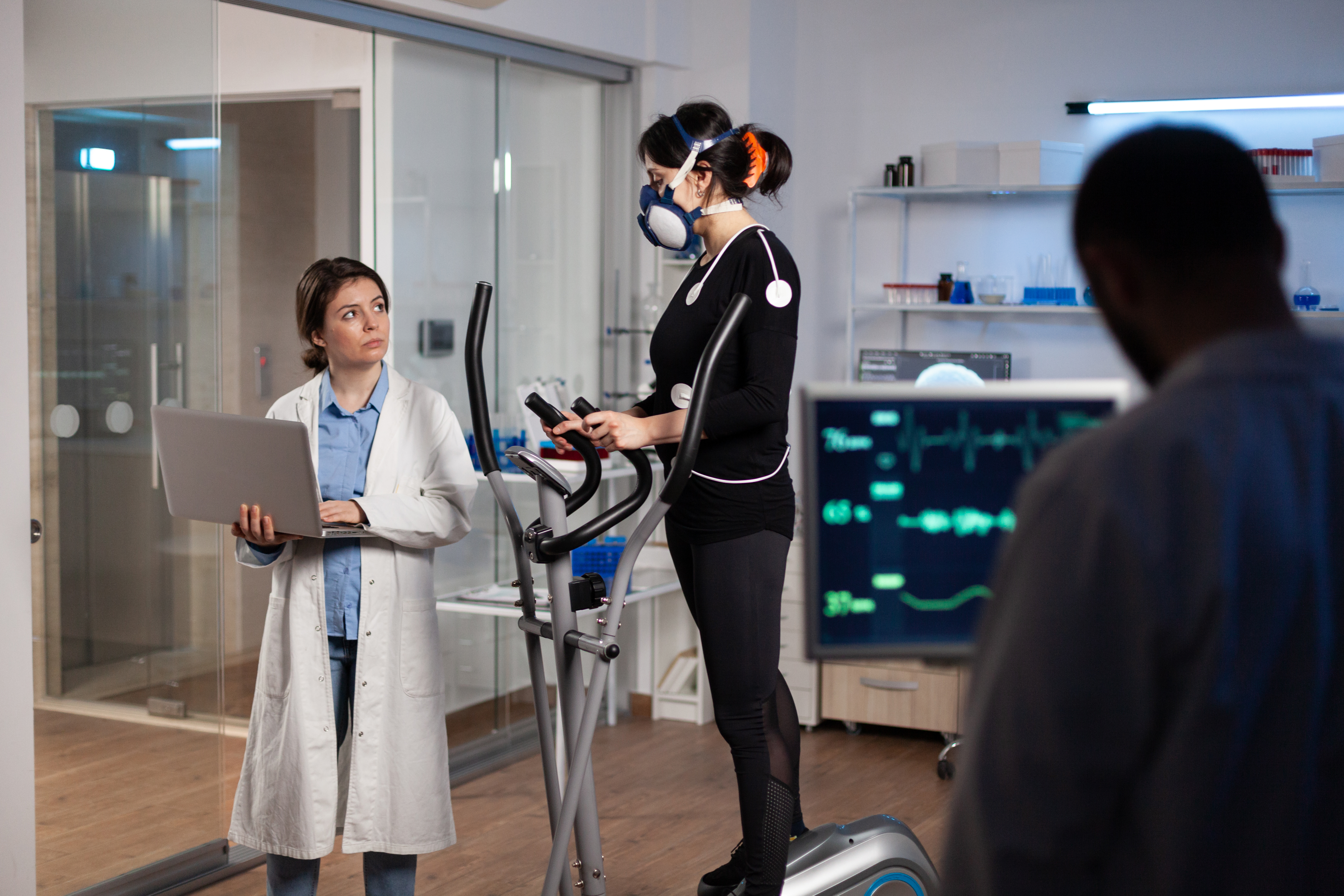
Treadmill Test in OMR
Exercise Stress Test at AVR Scan Centre
If your doctor has recommended a Treadmill Test in OMR, you may want to understand what the test evaluates, why exercise is used, how the test is performed, whether you need to prepare, and whether it is safe.
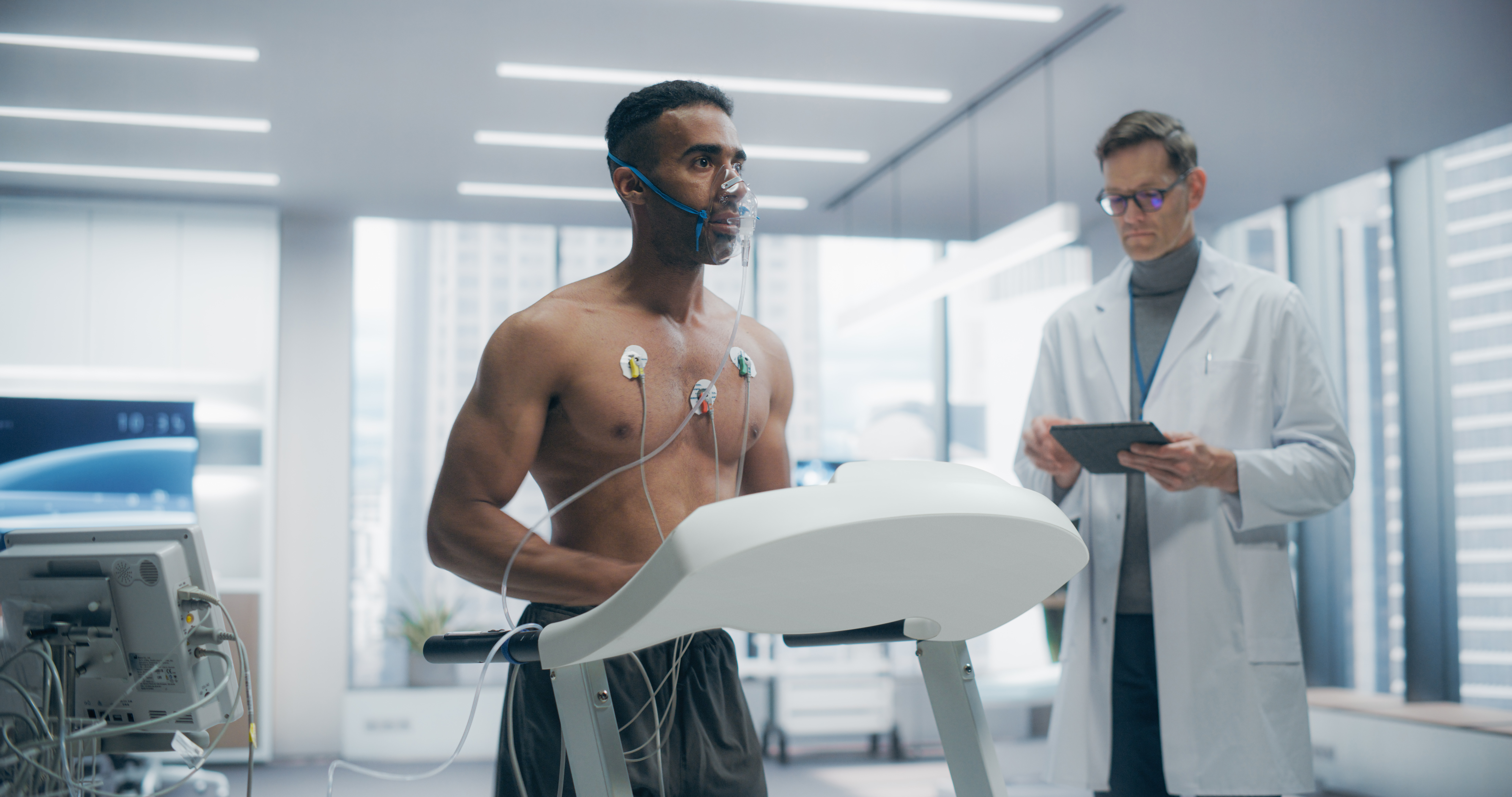
A Treadmill Test (TMT), also known as an exercise stress test, evaluates how the heart responds when the body is exercising. During the test, your heart rhythm and other vital measurements are monitored while you walk on a treadmill and the exercise intensity gradually increases.
This can help healthcare professionals identify changes that may not be apparent when the heart is at rest. AVR Scan Centre provides Treadmill Test services for patients looking for cardiac diagnostic testing in and around the OMR region.
A TMT is not appropriate for everyone or for every type of chest symptom. Your doctor should determine whether an exercise stress test is suitable based on your medical history, symptoms and ability to exercise.
What Is a Treadmill Test?
A Treadmill Test is an exercise stress test that monitors the heart while you walk on a treadmill and your physical workload gradually increases.
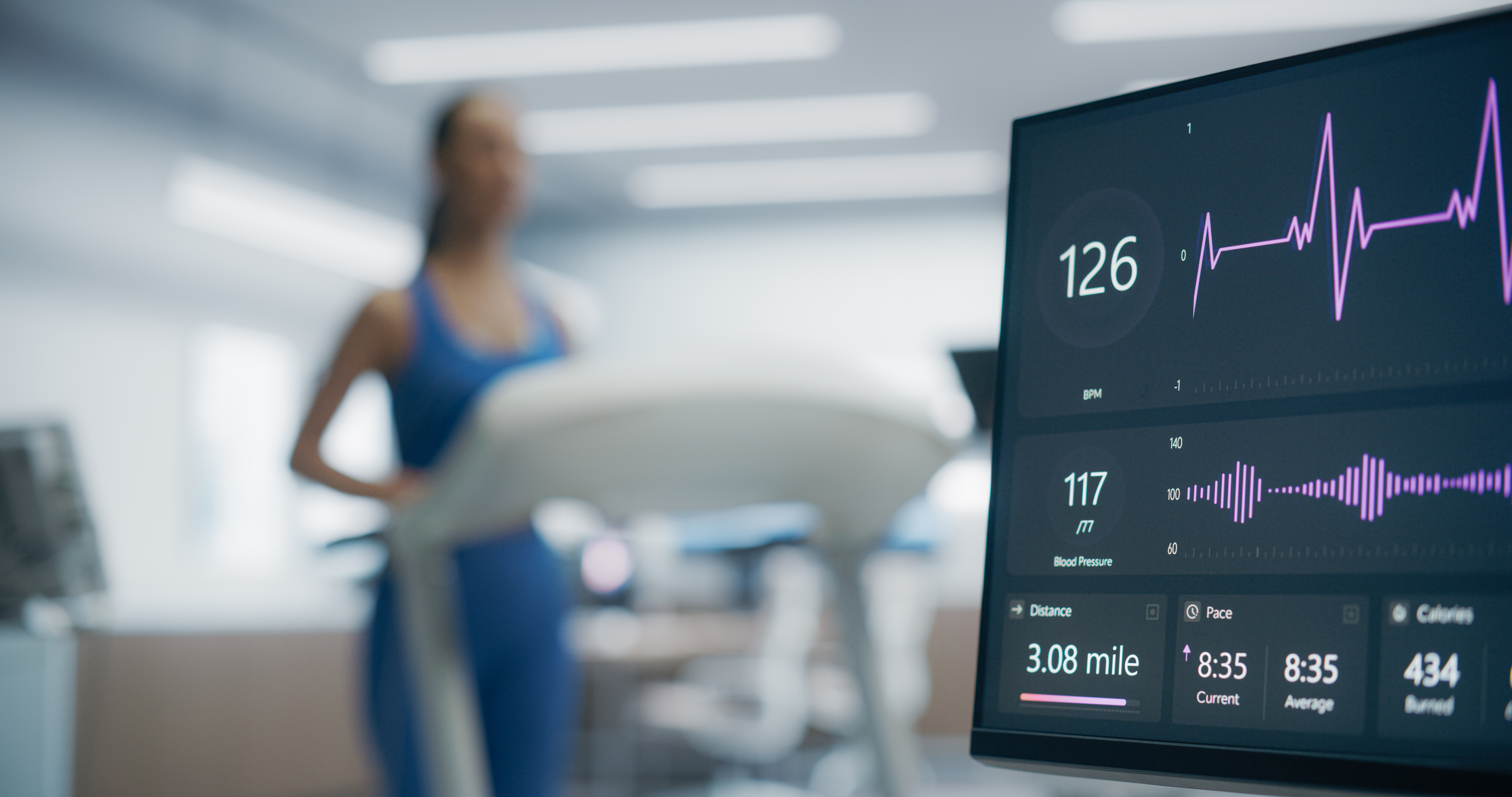
During the examination, healthcare professionals may monitor:
- Heart rate
- Heart rhythm
- ECG changes
- Blood pressure
- Exercise-related symptoms
- Recovery after exercise
Exercise makes the heart beat faster and work harder. This can reveal changes in heart function or blood flow that may not appear during a resting examination.
The test is commonly performed with ECG electrodes placed on the chest and blood pressure measurements taken during exercise.
Treadmill Test in OMR – Where Can You Get a TMT?
If you are searching for a Treadmill Test in OMR, AVR Scan Centre provides Treadmill Test services for patients seeking cardiac evaluation around the OMR region.
The Sholinganallur centre serves patients travelling from OMR and nearby localities. Patients from Padur, Navalur, Siruseri, Kelambakkam, Thiruporur and surrounding areas can contact AVR Scan Centre before visiting to confirm TMT availability and appointment requirements.
Before your appointment, confirm:
- Treadmill Test availability
- Appointment requirements
- Preparation instructions
- Whether your doctor has requested any additional cardiac tests
- Whether you should bring previous ECG or cardiac reports
AVR Scan Centre – Sholinganallur
First Floor, No. 278/1 & 278/2, Commercial Building, Ramanyam Pushkar 2, Kalaignar Karunanidhi Salai, Sholinganallur – 600119.
Why Might a Doctor Recommend a Treadmill Test?
A doctor may recommend a Treadmill Test when information about how the heart responds to physical activity is clinically useful.
A TMT may be considered when evaluating:
- Chest discomfort related to exertion
- Shortness of breath during activity
- Suspected coronary artery disease
- Exercise-related symptoms
- Certain irregular heart rhythms
- Exercise tolerance
- Response to selected cardiac treatment
Exercise stress testing may also be used to assess how well a treatment is working or to help evaluate cardiac risk in selected clinical situations. The reason for the test depends on the individual patient and the clinical question.
What Can a Treadmill Test Show?
A Treadmill Test can provide information about how the heart responds to increasing physical activity.
Heart Rate Response
The test records how your heart rate changes as exercise intensity increases and during recovery.
Heart Rhythm
ECG monitoring during exercise can identify certain rhythm abnormalities that may occur or become more noticeable during exertion.
Exercise-Related ECG Changes
Changes in the ECG during exercise may provide information relevant to the evaluation of reduced blood flow to the heart in selected patients.
Blood Pressure Response
Blood pressure can be checked during different stages of the exercise test and recovery.
Exercise Capacity
The test provides information about how much exercise you can perform under monitored conditions.
Exercise-Related Symptoms
Your healthcare team can observe whether symptoms such as chest discomfort, shortness of breath, dizziness or unusual fatigue appear during exercise.
How Does a Treadmill Test Work?
A TMT evaluates the heart under gradually increasing physical stress while ECG and other measurements are monitored.
- Your medical history and current symptoms are reviewed.
- ECG electrodes are attached to the skin.
- Resting measurements may be recorded.
- You begin walking at a comfortable pace.
- The treadmill speed and/or incline is gradually increased.
- Heart rate, rhythm, blood pressure and symptoms are monitored.
- Exercise continues until an appropriate endpoint is reached or the test needs to be stopped.
- Your heart is monitored during the recovery period.
The exercise intensity is adjusted according to the protocol and your clinical condition.
What Happens During a Treadmill Test?
A TMT is a monitored exercise examination rather than an ordinary workout.
1. Medical Assessment
Before exercising, the healthcare professional may ask about:
- Medical history
- Symptoms
- Previous heart problems
- Current medications
- Previous cardiac tests
- Exercise ability
2. ECG Electrode Placement
Small adhesive electrodes are placed on your chest. These electrodes continuously record the heart's electrical activity during the test.
3. Baseline Measurements
Your resting heart rate and blood pressure may be recorded before exercise begins.
4. Walking on the Treadmill
You start walking at a lower intensity. The treadmill workload gradually increases according to the test protocol.
5. Continuous Monitoring
The healthcare team monitors:
- ECG
- Heart rate
- Blood pressure
- Symptoms
- Exercise response
6. Stopping the Test
The test may be stopped when the appropriate target or endpoint is reached or earlier if you develop concerning symptoms or the healthcare professional identifies a reason to stop.
7. Recovery
After exercise stops, your heart rate, blood pressure and symptoms may continue to be monitored during recovery.
How Should You Prepare for a Treadmill Test?
Preparation instructions can vary, so follow the instructions provided by your healthcare team or diagnostic centre.
Wear Comfortable Clothing
Choose comfortable clothing that allows you to walk easily. Wear suitable walking or athletic shoes for the treadmill.
Ask About Food and Drink
Depending on the test protocol, you may be advised not to eat, drink certain beverages or smoke for a period before the test. Do not assume that the same fasting instructions apply to everyone.
Ask About Caffeine
Some stress-test protocols may require you to avoid caffeine for a specified period. Follow the instructions provided for your examination.
Discuss Your Medicines
Certain medications can influence heart rate and the response to exercise. Do not stop prescribed medication unless your doctor specifically tells you to do so. Ask your healthcare professional whether any medication adjustments are required before the test.
Bring Relevant Medical Information
Bring, where applicable:
- Doctor's prescription or referral
- Previous ECG reports
- Previous Echo or cardiac reports
- Current medication information
Is a Treadmill Test Safe?
An exercise stress test is generally considered safe when appropriately selected and medically supervised, but complications can occur rarely.
Possible complications include:
- Dizziness or fainting due to a blood-pressure drop
- Abnormal heart rhythms
- Significant symptoms during exercise
- Rarely, a heart attack
The healthcare team monitors you throughout the test and may stop the examination if there are concerns about your symptoms, blood pressure, ECG or heart rhythm.
Is a Treadmill Test Painful?
A TMT is not usually described as painful, but it is physically demanding because the test intentionally increases your exercise workload.
You may experience:
- Faster breathing
- Increased heart rate
- Sweating
- Muscle fatigue
- Shortness of breath
- Temporary chest discomfort
Some of these sensations can occur normally with exercise, but any chest pain, severe breathlessness, dizziness or other concerning symptom should be reported immediately to the healthcare team.
Does a Treadmill Test Use Radiation?
No. A standard Treadmill Test does not use X-rays or ionizing radiation.
The test monitors your heart's response to exercise using:
- ECG electrodes
- Heart-rate monitoring
- Blood-pressure measurements
- Exercise performance
What Is a Normal Treadmill Test?
A normal Treadmill Test generally means that the monitored findings during the test did not show the specific abnormality the test was designed to evaluate, within the limits of the examination.
However, a “normal” result does not guarantee that every possible heart condition has been ruled out.
The interpretation depends on factors such as:
- ECG response
- Exercise duration
- Heart-rate response
- Blood-pressure response
- Symptoms
- Clinical history
- Test quality
What Happens If a Treadmill Test Is Abnormal?
An abnormal TMT does not automatically confirm a specific heart condition. An abnormal result may require additional evaluation depending on the pattern of ECG changes, symptoms and other findings.
Your doctor may recommend further tests such as:
- Echocardiogram
- Stress echocardiogram
- CT coronary angiography
- Other cardiac imaging
- Laboratory investigations
- Additional ECG monitoring
The next step depends on the clinical situation. Do not make treatment decisions based on the TMT report alone.
Can a Treadmill Test Detect Blocked Arteries?
A Treadmill Test does not directly show coronary artery blockages. Instead, it assesses how your heart responds to exercise and looks for findings that may suggest reduced blood supply to the heart in appropriate patients.
If additional information about the coronary arteries is needed, your doctor may recommend other investigations. A TMT is therefore different from tests that directly visualize coronary arteries, such as CT coronary angiography.
Can a Treadmill Test Detect Heart Disease?
A TMT can provide useful information when evaluating certain heart conditions, particularly those that become more apparent during physical exertion.
It may help doctors evaluate selected cases involving:
- Suspected coronary artery disease
- Exercise-related symptoms
- Certain rhythm abnormalities
- Exercise capacity
- Response to cardiac treatment
However, it does not detect every heart condition and should be interpreted in the context of the patient's symptoms and other clinical information.
Treadmill Test vs ECG – What Is the Difference?
A resting ECG and a Treadmill Test both use ECG monitoring, but they evaluate the heart under different conditions.
| Resting ECG | Treadmill Test |
|---|---|
| Records heart electrical activity at rest | Records heart activity during exercise |
| Usually performed while lying or resting | Performed while walking on a treadmill |
| Provides information about resting rhythm and electrical patterns | Evaluates the heart's response to increasing physical workload |
| Does not intentionally stress the heart through exercise | Uses controlled exercise to increase cardiac workload |
Is a Treadmill Test Better Than an ECG?
Neither test is universally better. A resting ECG evaluates the heart at rest, while a TMT evaluates the heart while exercising. Your doctor may recommend one or both depending on your symptoms and the clinical question.
Treadmill Test vs Echocardiogram – What Is the Difference?
| Treadmill Test | Echocardiogram |
|---|---|
| Evaluates the heart during exercise | Uses ultrasound to image the heart |
| Monitors ECG, heart rate and blood pressure | Assesses heart structure and movement |
| Can evaluate exercise-related symptoms and ECG changes | Can evaluate chambers, valves and pumping function |
| Requires physical exertion | Standard Echo is usually performed at rest |
In some situations, a doctor may recommend an exercise stress test combined with echocardiographic imaging when additional information is needed.
Treadmill Test vs Stress Echocardiogram – What Is the Difference?
A standard exercise TMT primarily monitors the heart's electrical response, heart rate, blood pressure and symptoms during exercise.
A stress echocardiogram combines exercise with ultrasound imaging of the heart, allowing clinicians to evaluate how heart muscle movement changes with stress.
The appropriate test depends on the clinical question and your doctor's recommendation.
What Happens After a Treadmill Test?
After the exercise portion is complete, you may be monitored during the recovery period while your heart rate, blood pressure and symptoms return toward baseline.
Your results may be reviewed in relation to:
- ECG changes
- Exercise duration
- Heart-rate response
- Blood-pressure response
- Symptoms
- Medical history
- Other cardiac investigations
Your doctor can explain what the result means and whether additional testing is required.
Why Choose AVR Scan Centre for a Treadmill Test in OMR?
When looking for a Treadmill Test Centre in OMR, patients may want to consider location, appointment availability, preparation instructions and access to related cardiac diagnostic tests.
AVR Scan Centre provides Treadmill Test services for patients seeking cardiac diagnostic evaluation in and around OMR.
1. Treadmill Test Service
AVR Scan Centre provides Treadmill Testing as part of its cardiac diagnostic services.
2. OMR-Side Location
The Sholinganallur centre serves patients looking for cardiac diagnostic services around the OMR region.
3. Preparation Guidance
Patients can contact the centre before their appointment to confirm specific preparation requirements, including instructions related to food, drink, medications and exercise clothing.
4. Related Cardiac Tests
AVR Scan Centre also provides:
- Computerized ECG
- Echocardiogram
- Treadmill Test
Other diagnostic services include:
- MRI Scan 1.5T
- MultiSlice 3D Spiral CT Scan
- Ultrasound
- X-Ray
- 3D/4D Obstetrics
- SonoMammography
- EEG
- PFT
- Lab Services
- Preventive Master Health Checkup
- Digital Mammogram
- OPG
What Should You Check Before Booking a Treadmill Test in OMR?
Before scheduling your TMT, confirm:
- Why your doctor has recommended the test
- Whether you are physically able to walk on a treadmill
- Whether fasting or other preparation is required
- Whether caffeine should be avoided
- Whether any medication instructions apply
- Whether you should bring previous ECG or cardiac reports
- Whether an appointment is required
Before You Visit AVR Scan Centre
Bring your doctor's prescription or referral and relevant previous cardiac reports when available.
Do not independently stop heart medicines or other prescribed medication before a TMT. Follow your doctor's specific instructions.
If you are currently experiencing severe or new chest pain, severe breathing difficulty, fainting or another potentially urgent symptom, seek appropriate medical care rather than waiting for a routine TMT appointment.
Frequently Asked Questions About Treadmill Test in OMR
A Treadmill Test, also called an exercise stress test, monitors how the heart responds while you exercise on a treadmill. ECG, heart rate and blood pressure may be monitored during the test.
AVR Scan Centre provides Treadmill Test services for patients seeking cardiac diagnostic testing around OMR. Contact the centre to confirm availability and appointment details.
TMT stands for Treadmill Test. It is commonly used to refer to an exercise stress test performed while walking on a treadmill.
It is generally not painful, but the increasing exercise workload can cause temporary breathlessness, sweating, fatigue or other exercise-related sensations. Report concerning symptoms immediately to the healthcare team.
Preparation varies according to the protocol. You may be instructed not to eat or drink for a period before the test. Follow the instructions given by your healthcare team or diagnostic centre.
Some stress-test protocols advise avoiding caffeine. Follow the specific preparation instructions given for your examination.
Some medicines can affect the heart-rate response and may influence the test. Do not stop or alter prescribed medicines unless your healthcare professional specifically instructs you to do so.
Wear comfortable clothing and suitable walking or athletic shoes that allow you to exercise safely.
No. A standard TMT uses ECG and physiological monitoring and does not use ionizing radiation.
A TMT does not directly visualize coronary arteries. It evaluates the heart's response to exercise and may provide findings that suggest reduced blood flow in selected patients.
It can provide useful information for evaluating selected heart conditions, particularly those associated with exercise, but it cannot detect every heart condition.
Tell your doctor and the testing team about any condition that limits your ability to walk or exercise. If you cannot exercise adequately, another type of stress test may be considered depending on your situation.
Breathlessness can occur as exercise intensity increases, but significant or unusual symptoms should be reported immediately. The healthcare professional may slow or stop the test when clinically appropriate.
Yes. You should tell the healthcare professional if you become uncomfortable or develop symptoms. The test can be stopped when appropriate.
The overall appointment includes preparation, exercise and recovery. The actual exercise portion is often much shorter than the total visit. Timing varies by protocol and individual circumstances.
An abnormal result may lead your doctor to recommend further cardiac evaluation. The next test depends on your symptoms, ECG findings, risk factors and other clinical information.
No. A normal TMT does not rule out every possible heart condition. Your doctor interprets the result in the context of your symptoms and other clinical information.
Get Your Treadmill Test at AVR Scan Centre, Sholinganallur
A Treadmill Test can provide useful information about how your heart responds to exercise, including changes in ECG, heart rate, blood pressure and symptoms.
If your doctor has recommended a TMT, understanding the preparation and knowing what to expect can help you approach the examination confidently.
AVR Scan Centre provides Treadmill Test services for patients looking for cardiac diagnostic testing in and around OMR.
Before visiting, contact the centre to confirm:
- TMT availability
- Appointment requirements
- Preparation instructions
- Medication instructions
- Whether you should bring previous ECG or cardiac reports
Contact AVR Scan Centre – Sholinganallur to enquire about the Treadmill Test recommended by your doctor and confirm appointment availability.
AVR Scan Centre – Sholinganallur
First Floor, No. 278/1 & 278/2, Commercial Building,
Ramanyam Pushkar 2, Kalaignar Karunanidhi Salai,
Sholinganallur – 600119.
