
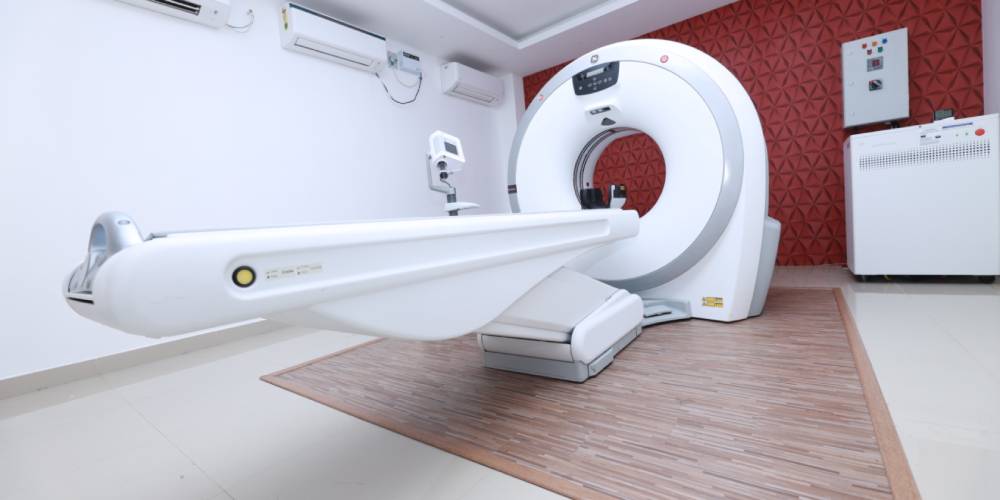
CT Scan in OMR
CT Imaging at AVR Scan Centre
If your doctor has recommended a CT scan, you may have questions about what a MultiSlice 3D Spiral CT scan is, why it has been recommended, whether contrast is required, how to prepare, whether CT is safe, and where to get a CT Scan in OMR.
A Computed Tomography (CT) scan is a diagnostic imaging examination that uses X-rays and computer processing to create detailed cross-sectional images of the body. MultiSlice CT technology allows multiple sections of imaging data to be acquired during a scan, which can then be processed into detailed images.
A CT examination can be used to evaluate different parts of the body depending on the clinical requirement. The exact scan you need should always be based on your doctor's recommendation.
If you are looking for a MultiSlice 3D Spiral CT Scan in OMR, AVR Scan Centre provides this CT service at its Sholinganallur centre.
What Is a MultiSlice 3D Spiral CT Scan?
A MultiSlice 3D Spiral CT scan is a CT imaging examination that acquires multiple sections of imaging information as the scanner moves around the body, allowing detailed cross-sectional images to be produced.
CT uses X-rays to obtain imaging information. Computer processing then converts the collected data into images that can be examined by healthcare professionals.
Depending on the examination, CT data may also be reconstructed into different viewing planes or three-dimensional images.
The terms in the name describe different aspects of the examination:
- MultiSlice: Multiple sections of imaging data can be acquired during scanning.
- Spiral: The imaging system acquires data as the scanner and examination table move in relation to one another.
- 3D: CT data can be reconstructed to provide three-dimensional views when appropriate.
- CT: Computed Tomography uses X-rays and computer processing to create cross-sectional images.
The exact CT protocol depends on the body part being examined and the clinical question your doctor needs to answer.
MultiSlice 3D Spiral CT Scan in OMR – Where Can You Get a CT Scan?
If you are searching for a CT Scan in OMR, AVR Scan Centre provides MultiSlice 3D Spiral CT Scan services at its Sholinganallur centre.
AVR Scan Centre – Sholinganallur:
First Floor, No. 278/1 & 278/2, Commercial Building,
Ramanyam Pushkar 2, Kalaignar Karunanidhi Salai,
Sholinganallur – 600119.
The location is relevant for patients travelling from Sholinganallur and nearby parts of the OMR region.
Patients travelling from Padur, Navalur, Siruseri, Kelambakkam, Thiruporur and surrounding areas should contact the centre before visiting to confirm the availability of their prescribed CT examination.
Before your appointment, confirm:
- The specific CT examination required
- Whether contrast is needed
- Preparation instructions
- Appointment requirements
- Any medical information that needs to be provided
Why Might a Doctor Recommend a CT Scan?
A doctor may recommend a CT scan when detailed cross-sectional imaging can provide useful information about a particular body part or suspected condition.
The decision may depend on:
- Your symptoms
- Medical history
- Physical examination
- Previous investigation results
- Suspected condition
- Body part requiring evaluation
- Clinical urgency
CT can provide detailed images of many anatomical structures, including bones and selected soft tissues.
The appropriate CT examination depends on the clinical question.
You should not select a CT examination solely because of an online search. The scan should correspond to your doctor's recommendation.
What Areas Can a MultiSlice CT Scan Examine?
The body part examined depends on the CT examination prescribed by your doctor.
Brain CT
A brain CT can provide cross-sectional images of structures within the head and may be recommended for selected neurological or head-related clinical concerns.
Facial Bone CT
CT can provide detailed images of facial bone structures and may be used for selected injuries or other conditions affecting the facial region.
Orbit CT
An orbit CT examines the structures surrounding the eyes and may be recommended when detailed imaging of the orbital region is required.
PNS CT
A CT examination of the paranasal sinuses can provide detailed images of the sinus spaces and surrounding bony structures.
Neck CT
CT can be used to examine structures in the neck when cross-sectional imaging is clinically required.
Chest CT
A chest CT provides cross-sectional images of structures within the chest and may be recommended for selected respiratory and other thoracic concerns.
HRCT of the Lungs
High-Resolution Computed Tomography (HRCT) uses specific CT imaging techniques to provide detailed images of lung tissue. It may be recommended when detailed assessment of lung structures is clinically required.
Abdomen CT
An abdominal CT provides cross-sectional images of structures within the abdomen.
KUB CT
KUB refers to the kidneys, ureters and urinary bladder. A KUB CT may be recommended when detailed imaging of these structures is required.
Temporal Bone CT
Temporal bone CT provides detailed imaging of the bony structures around the ear and skull base and may be recommended for selected clinical indications.
Spine CT
CT can provide detailed images of the bony structures of the spine and may be recommended for selected injuries or spinal conditions.
Joint CT
CT can provide detailed images of joint structures, particularly when assessment of bone is required.
The appropriate CT examination should always be determined by the clinical requirement and your doctor's recommendation.
How Does a MultiSlice CT Scan Work?
A CT scanner uses X-rays and computer processing to produce cross-sectional images of the body.
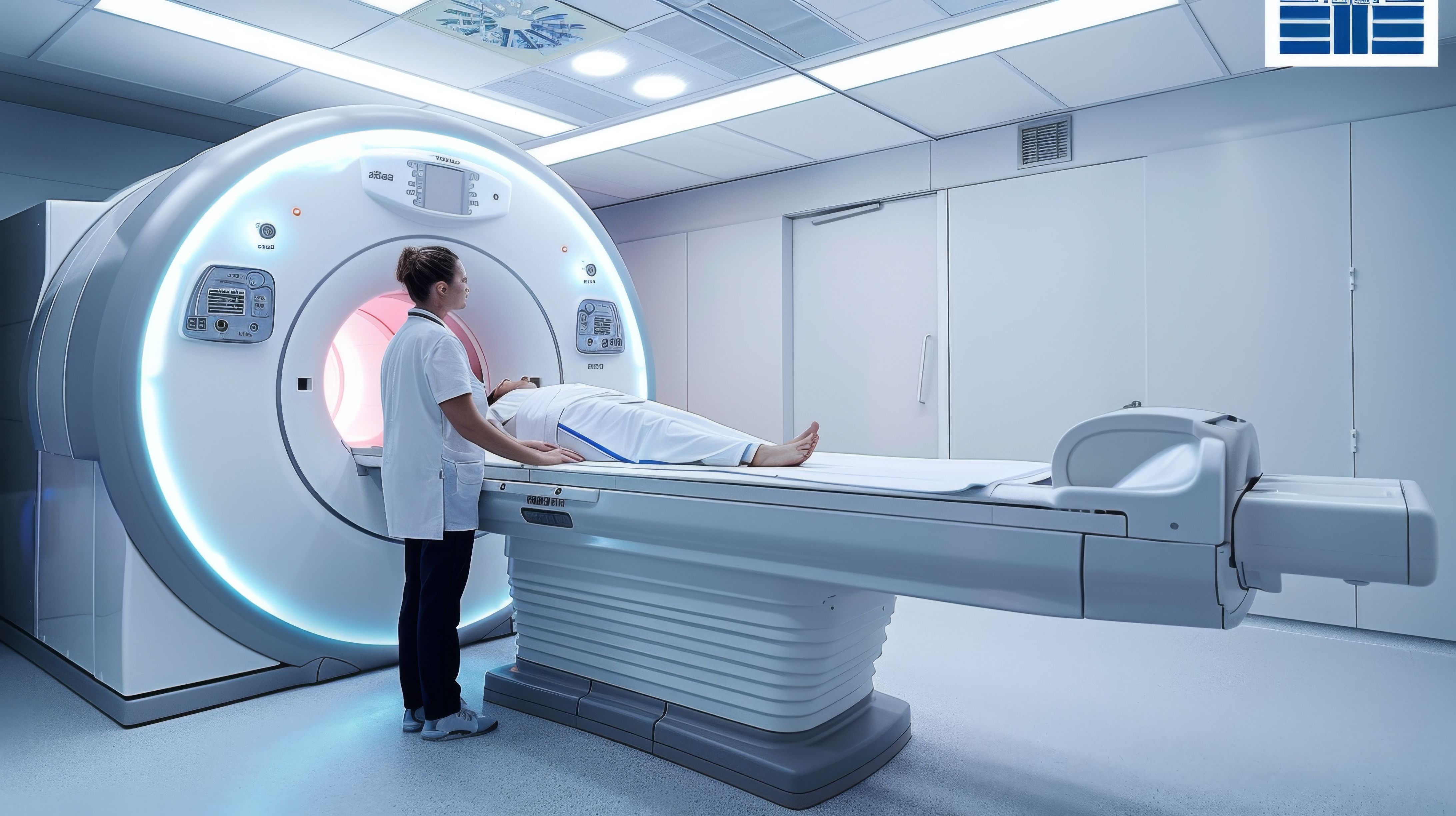
During a CT scan, the X-ray system rotates around the patient while imaging data is collected. The collected information is processed by a computer to create cross-sectional images.
Depending on the examination, the data can also be reconstructed into:
- Different imaging planes
- Detailed anatomical views
- Three-dimensional images where appropriate
MultiSlice CT technology allows multiple sections of imaging information to be acquired during the examination.
What Happens During a CT Scan?
Knowing what happens during a CT examination can help you feel prepared.
1. Patient Information and Screening
The imaging team may ask about your medical history, current medications, previous contrast reactions and other relevant information.
2. Preparation
Your preparation depends on the type of CT examination. Some CT examinations may require fasting or other specific instructions.
3. Removing Certain Objects
You may be asked to remove jewellery, metallic accessories or other objects that could interfere with the examination.
4. Positioning
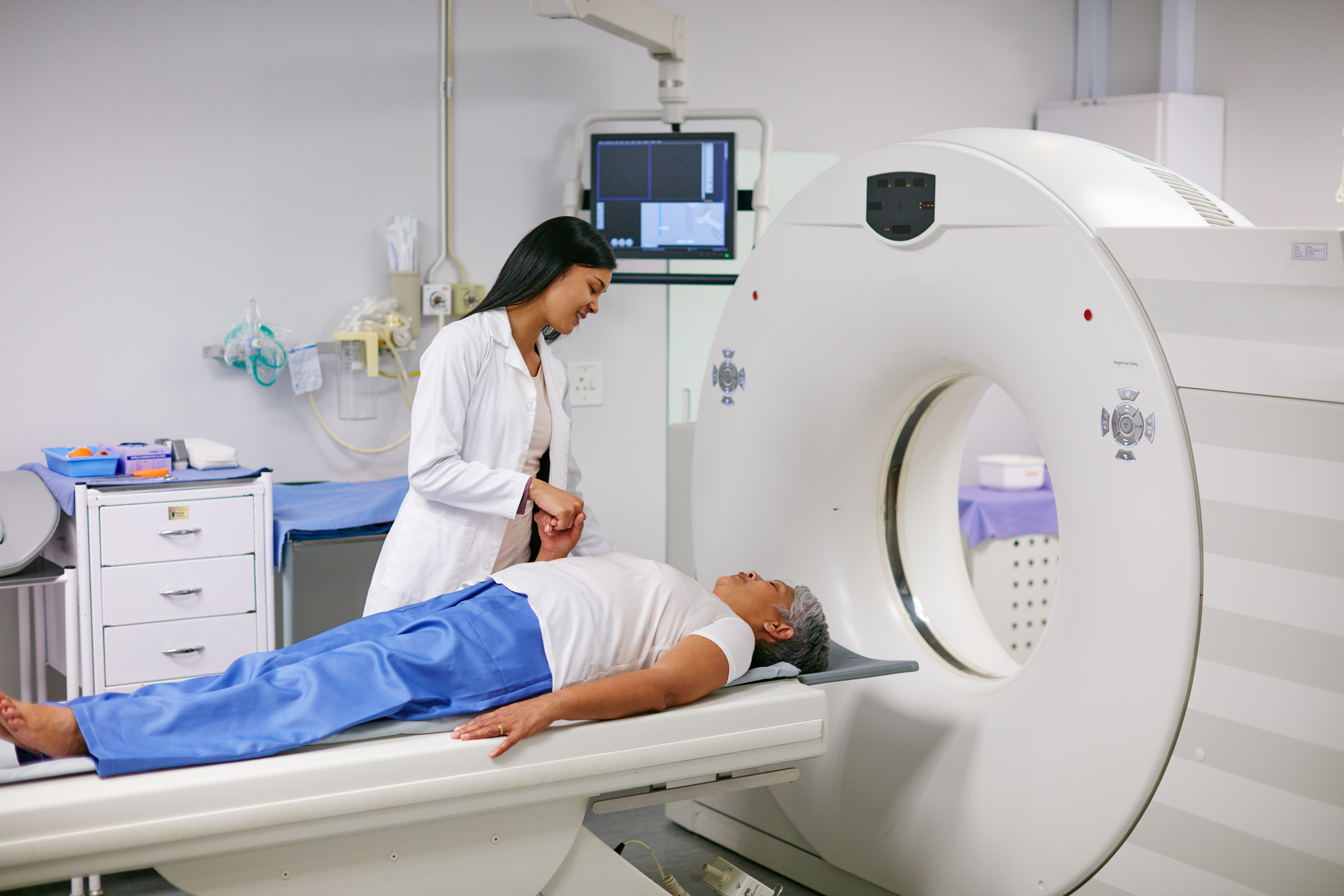
You will lie on the CT examination table in the position required for the body part being scanned.
5. Image Acquisition
The examination table moves through the CT scanner while images are acquired. You will generally need to remain still, and for some examinations you may be asked to briefly hold your breath.
6. Contrast, If Required
Some CT examinations use a contrast agent to help visualize particular structures more clearly. Not every CT scan requires contrast.
How Should You Prepare for a CT Scan?
CT preparation depends on the specific examination and whether contrast is required. Your preparation instructions should come from the diagnostic centre and your healthcare team.
Follow Your Examination-Specific Instructions
You may be instructed to:
- Fast for a specified period
- Drink water
- Follow specific dietary instructions
- Take medications as advised
- Complete other preparation before the scan
Do not assume that the same preparation applies to every CT examination.
Inform the Team About Previous Contrast Reactions
If you have previously experienced a reaction to a contrast agent, tell the healthcare team before the examination.
Inform Them About Kidney Problems
If contrast is being considered, information about kidney function may be relevant to the safety assessment.
Tell Them If You Are Pregnant or May Be Pregnant
Because CT uses X-rays, inform your doctor and imaging team if you are pregnant or may be pregnant.
Bring Relevant Medical Information
If available, bring:
- Doctor's prescription or referral
- Previous scan reports
- Relevant medical records
- Current medication information
- Details of previous contrast reactions
Is a MultiSlice CT Scan Safe?
CT uses X-rays, which are a form of ionizing radiation. The examination should therefore be performed when medically appropriate and using a protocol suitable for the clinical requirement.
Before your CT scan, inform the imaging team about:
- Pregnancy or possible pregnancy
- Previous contrast reactions
- Kidney problems
- Current medications
- Relevant medical conditions
- Previous imaging examinations where relevant
The healthcare team can use this information to determine appropriate preparation and precautions.
What About Radiation Exposure?
The radiation dose from a CT examination varies according to factors such as:
- Body part being examined
- CT protocol
- Scan parameters
- Number of image acquisitions
If a CT examination has been recommended for a valid medical reason, your healthcare professional considers the diagnostic benefit when deciding whether the examination is appropriate.
Does Every CT Scan Require Contrast?
No. Some CT examinations are performed without contrast, while others may require contrast depending on the clinical question.
Contrast may help certain tissues, blood vessels or abnormalities become more clearly visible.
Whether contrast is required depends on:
- Body part being examined
- Suspected condition
- Clinical question
- CT protocol
- Doctor's recommendation
What Is 3D Reconstruction in CT?
3D reconstruction uses CT imaging data to create a three-dimensional representation of selected anatomical structures.
Instead of viewing only individual cross-sectional images, appropriate CT data can be processed to provide a three-dimensional view.
Depending on the examination, 3D reconstruction can be useful for visualizing:
- Bones
- Facial structures
- Joints
- Spine structures
- Other anatomical regions
Whether 3D reconstruction is required depends on the examination and clinical purpose.
What Is CT Angiography?
CT angiography (CTA) is a CT-based imaging examination used to visualize blood vessels, generally after administration of an appropriate contrast agent.
It can provide detailed images of selected vascular structures and may be recommended when a doctor needs information about blood vessels.
Whether CT angiography is appropriate depends on the patient's symptoms, clinical history and the specific diagnostic question.
Is CT Better Than MRI?
Neither CT nor MRI is universally better.
The appropriate examination depends on:
- Symptoms
- Body part
- Suspected condition
- Medical history
- Urgency
- Information required
Your doctor may recommend CT, MRI, X-ray, ultrasound or another diagnostic examination depending on your individual clinical needs.
MRI Scan vs CT Scan – What Is the Difference?
MRI and CT are different diagnostic imaging methods. They are selected according to the body part being examined and the information required by the doctor.
| MultiSlice CT | MRI |
|---|---|
| Uses X-rays | Uses magnetic fields and radio waves |
| Uses ionizing radiation | Does not use ionizing radiation |
| Can provide rapid cross-sectional imaging | Some examinations take longer |
| Particularly useful for many bone and acute imaging situations | Particularly useful for many soft-tissue examinations |
| Can provide 3D reconstructions from CT data | Can produce detailed images in multiple planes |
What Happens After a CT Scan?
After the examination, the acquired CT images are processed for interpretation. If contrast was used, follow any instructions provided by the healthcare team.
Your CT findings should be considered together with:
- Your symptoms
- Medical history
- Clinical examination
- Previous investigations
- Other imaging reports
Your doctor can explain the findings in relation to your overall clinical situation. A CT report is an investigation result and should not be interpreted in isolation.
Why Choose AVR Scan Centre for a MultiSlice CT Scan in OMR?
When searching for a MultiSlice CT Scan in OMR, patients may want to consider the type of CT service available, location, examination requirements and appointment process.
AVR Scan Centre provides MultiSlice 3D Spiral CT Scan services at its Sholinganallur centre.
MultiSlice 3D Spiral CT Service
AVR Scan Centre provides MultiSlice 3D Spiral CT Scan as one of its diagnostic imaging services.
Multiple CT Examination Options
Depending on the clinical requirement, CT examinations may be available for:
- Brain
- Facial bones
- Orbits
- PNS
- Neck
- Chest
- HRCT lungs
- Abdomen
- KUB
- Temporal bone
- Spine
- Joints
The exact examination available should be confirmed with the centre.
Sholinganallur Location
The CT service is available at AVR Scan Centre's Sholinganallur centre, making it an option for patients searching for CT imaging around OMR.
Multiple Diagnostic Services
AVR Scan Centre also provides other diagnostic services, including:
- MRI Scan 1.5T
- Ultrasound
- X-Ray
- 3D/4D Obstetrics
- Computerized ECG
- Echocardiogram
- SonoMammography
- Treadmill Test
- EEG
- PFT
- Lab Services
- Preventive Master Health Checkup
- Digital Mammogram
- OPG
What Should You Check Before Booking a CT Scan in OMR?
Before scheduling your CT scan, make sure you know:
- Which body part your doctor has recommended for imaging
- Whether you need a plain or contrast CT
- Whether fasting is required
- Whether kidney-related information is required
- Whether you have had a previous contrast reaction
- Whether you are pregnant or may be pregnant
- Whether you need to bring previous scan reports
- Whether your required CT examination is available at the centre
Before You Visit AVR Scan Centre
Confirm the specific CT examination and preparation requirements with the centre before your appointment. Preparation can differ between CT examinations, so following examination-specific instructions is important.
Do not choose a CT examination solely based on an online search. The scan should match your doctor's clinical recommendation.
Frequently Asked Questions About MultiSlice 3D Spiral CT Scan in OMR
A MultiSlice 3D Spiral CT scan is a CT imaging examination that acquires multiple sections of imaging data during scanning. The data can be processed into detailed cross-sectional images and, where appropriate, three-dimensional reconstructions.
AVR Scan Centre provides MultiSlice 3D Spiral CT Scan services at its Sholinganallur centre. Contact the centre to confirm availability of your specific CT examination.
Yes. CT uses X-rays, which are a form of ionizing radiation. CT examinations should be performed when medically appropriate.
No. Some CT examinations are performed without contrast, while others may require contrast depending on the clinical indication.
Not always. Preparation depends on the specific CT examination and whether contrast is required. Follow the instructions provided for your appointment.
CT scanning is generally non-invasive. You will need to remain still while images are acquired. If contrast is administered, you may experience temporary sensations depending on the contrast agent and how it is administered.
Yes. CT data can be reconstructed into three-dimensional images when appropriate for the examination and clinical requirement.
Depending on the prescribed examination, CT may be used to examine areas such as the brain, facial bones, orbits, PNS, neck, chest, lungs, abdomen, KUB, temporal bone, spine and joints.
HRCT stands for High-Resolution Computed Tomography. It uses specific CT imaging techniques to produce detailed images of lung tissue when clinically indicated.
KUB stands for Kidneys, Ureters and Bladder. A KUB CT provides imaging of these structures when clinically required.
CT angiography is a CT-based examination used to visualize selected blood vessels, generally with an appropriate contrast agent when clinically indicated.
Tell your doctor and the imaging team if you are pregnant or may be pregnant. Because CT uses X-rays, the healthcare team will determine whether the examination is appropriate based on the clinical need.
Bring your doctor's prescription or referral, previous relevant imaging reports if available, and information about medications, kidney problems or previous contrast reactions.
Neither CT nor MRI is universally better. They use different technologies and are selected according to the body part, symptoms, suspected condition and clinical information required.
The duration can vary depending on the body part being examined, the CT protocol and whether contrast or additional imaging is required. Contact the centre about the expected duration of your specific examination.
Get Your CT Scan at AVR Scan Centre, Sholinganallur
If your doctor has recommended a CT examination, understanding which CT scan you need, whether contrast is required and how to prepare can help you approach the examination with greater confidence.
AVR Scan Centre provides MultiSlice 3D Spiral CT Scan services at its Sholinganallur centre for patients looking for CT imaging in and around OMR.
Before visiting, contact AVR Scan Centre to confirm:
- Your required CT examination
- Availability
- Contrast requirements
- Preparation instructions
- Appointment requirements
Contact AVR Scan Centre – Sholinganallur to enquire about the CT examination recommended by your doctor and confirm appointment availability.
AVR Scan Centre – Sholinganallur
First Floor, No. 278/1 & 278/2, Commercial Building,
Ramanyam Pushkar 2, Kalaignar Karunanidhi Salai,
Sholinganallur – 600119.
