
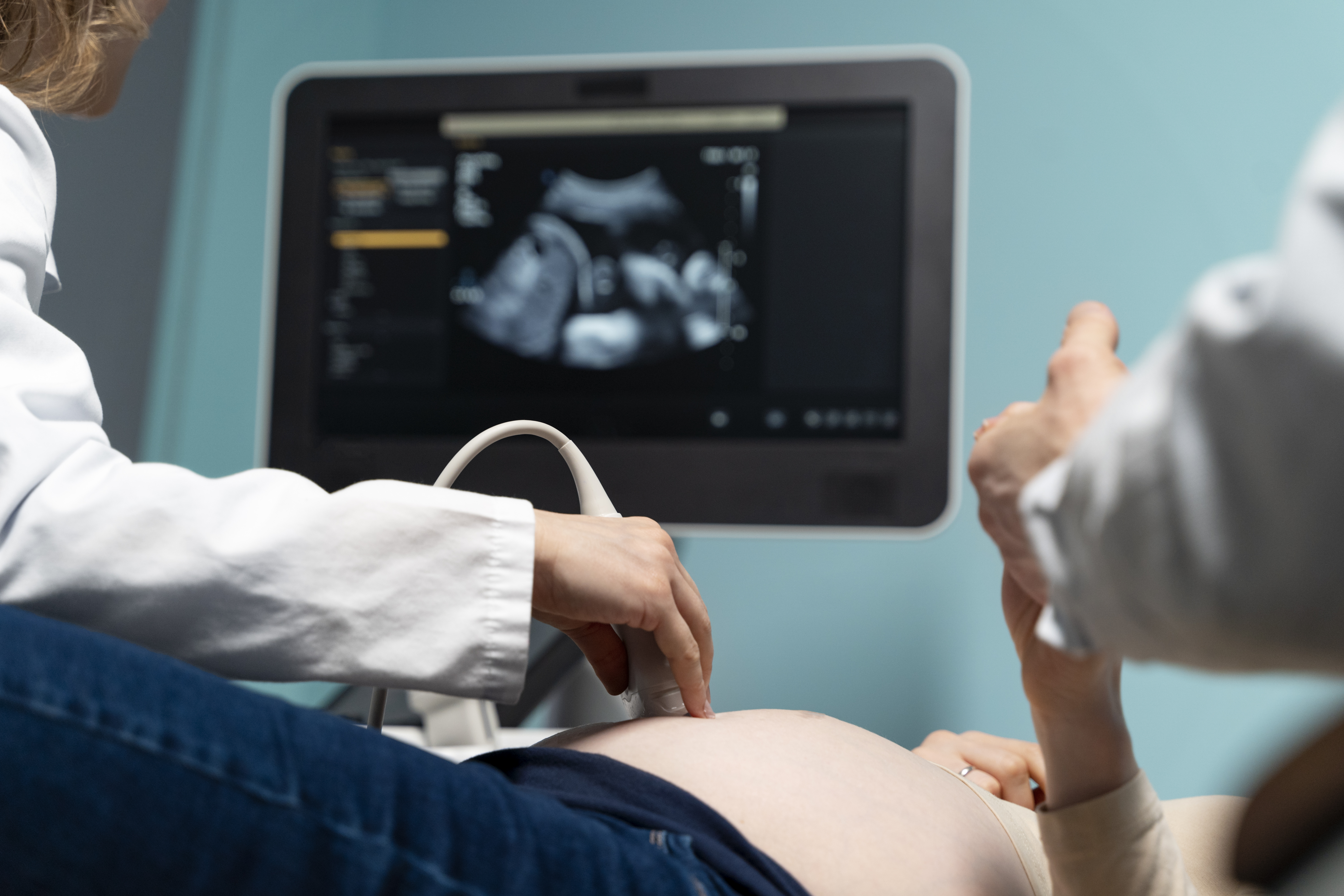
3D/4D Obstetrics Scan in Sholinganallur
Pregnancy Ultrasound at AVR Scan Centre
Pregnancy is a time when every scan has a specific purpose. If your doctor has recommended an obstetric ultrasound, you may want to understand what the examination involves, what 3D and 4D ultrasound mean, how the scan is performed, and what you can expect during your appointment.
A 3D/4D obstetric scan is an ultrasound examination used during pregnancy to create images of the developing baby. Unlike a conventional 2D ultrasound, 3D ultrasound can produce three-dimensional images, while 4D ultrasound adds the element of movement in real time.
The type of pregnancy ultrasound recommended depends on factors such as the stage of pregnancy, clinical requirement and the information your doctor wants to assess.
If you are looking for a 3D/4D Obstetrics Scan in Sholinganallur, AVR Scan Centre provides obstetric ultrasound services for patients who have been advised to undergo pregnancy imaging.
What Is a 3D/4D Obstetrics Scan?
A 3D/4D obstetric scan is an ultrasound examination performed during pregnancy to obtain images of the developing baby and related pregnancy structures.
Ultrasound uses high-frequency sound waves to produce images without using X-rays.
What Does 3D Ultrasound Mean?
3D ultrasound creates three-dimensional images from ultrasound data collected during the examination.
Instead of viewing only a flat two-dimensional image, suitable ultrasound data can be processed to create a more three-dimensional representation.
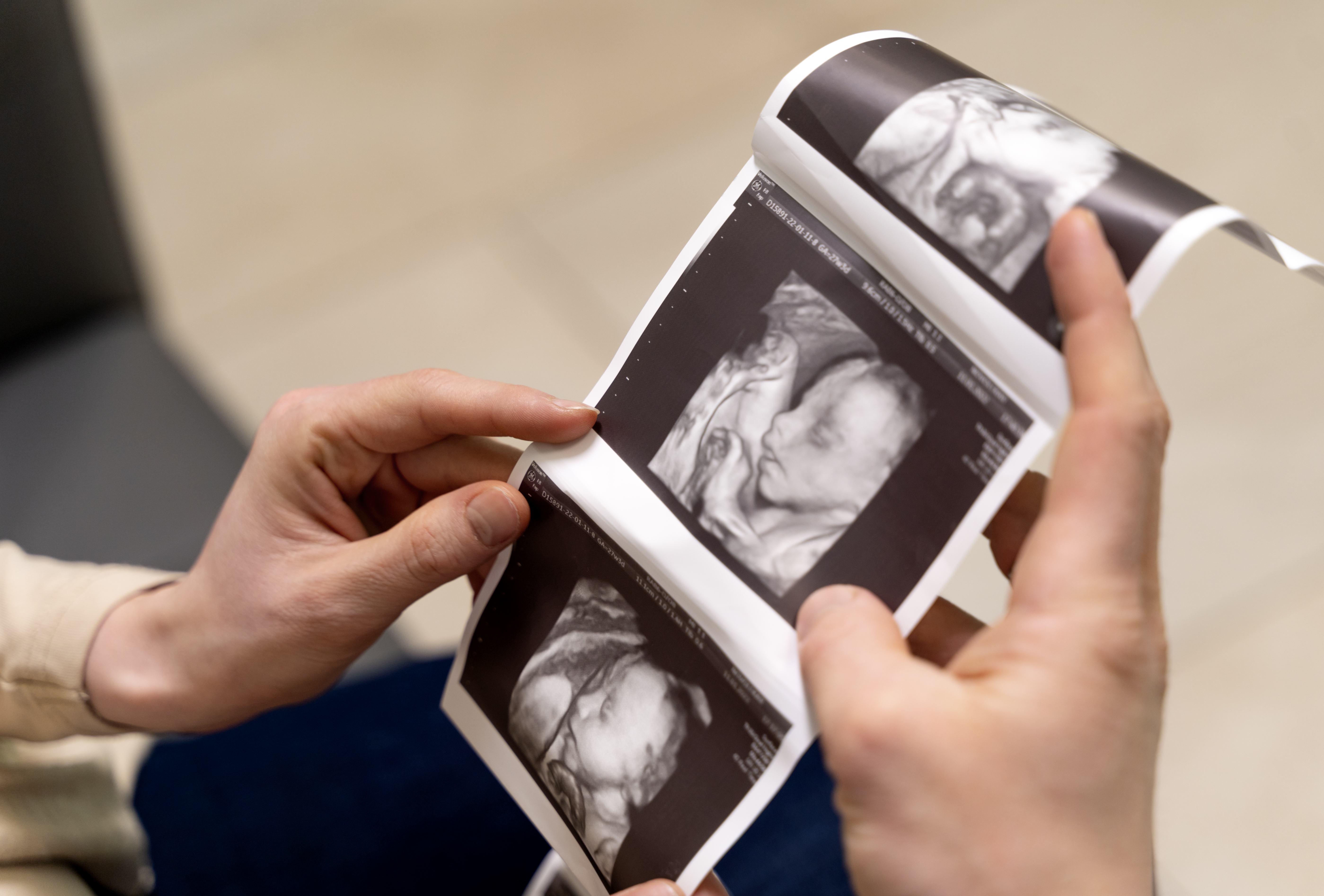
Depending on the examination and the baby's position, 3D imaging may provide views of features such as the baby's face or other external structures.
Factors That Can Affect 3D Image Quality
- Baby's position
- Stage of pregnancy
- Amount of amniotic fluid
- Maternal body characteristics
- Position of the placenta
- Movement during the examination
- Ultrasound settings
Therefore, a 3D scan does not always produce the same type or quality of image for every pregnancy.
What Does 4D Ultrasound Mean?
4D ultrasound adds real-time movement to 3D ultrasound imaging.
This means that instead of seeing only a still three-dimensional image, the ultrasound system can display movement as it occurs.
Depending on the baby's position and examination conditions, 4D imaging may show:
- Facial movements
- Movement of the arms or legs
- Changes in the baby's position
- Other visible movements
The ability to obtain clear 4D images depends on the baby's position and other factors during the examination.
What Is an Obstetric Ultrasound?
An obstetric ultrasound is an ultrasound examination performed during pregnancy to assess the developing pregnancy and obtain information relevant to the pregnancy stage and clinical requirement.
Ultrasound imaging can be used at different stages of pregnancy for different purposes.
Depending on the examination prescribed, an obstetric ultrasound may provide information about:
- Pregnancy development
- Baby's position
- Fetal measurements
- Fetal anatomy
- Placental location
- Amniotic fluid
- Other pregnancy-related findings
The exact information assessed depends on the type of ultrasound examination and the stage of pregnancy.
A 3D/4D scan should not be assumed to replace every other pregnancy scan. Your doctor or healthcare professional will determine which examination is appropriate for your pregnancy.
3D/4D Obstetrics Scan in Sholinganallur
For patients searching for a 3D/4D Obstetrics Scan in Sholinganallur, the examination should be selected according to the pregnancy stage and the recommendation provided by the treating healthcare professional.
AVR Scan Centre provides 3D/4D Obstetrics as part of its diagnostic imaging services.
First Floor, No. 278/1 & 278/2, Commercial Building, Ramanyam Pushkar 2, Kalaignar Karunanidhi Salai, Sholinganallur, Chennai – 600119.
Before visiting, confirm the specific obstetric scan recommended for your pregnancy, appointment availability and any preparation instructions.
Why Is a 3D/4D Obstetric Scan Performed?
A 3D/4D obstetric scan may be recommended when three-dimensional or real-time ultrasound imaging can provide additional views that are relevant to the examination.
The reason for an obstetric ultrasound can vary depending on:
- Stage of pregnancy
- Clinical indication
- Previous scan findings
- Baby's position
- Information required by the healthcare professional
- Type of pregnancy assessment being performed
It is important to understand that 3D/4D imaging is an imaging technique, not a diagnosis by itself.
The appropriate scan should be based on the medical requirement rather than simply choosing a scan because it provides 3D or 4D images.
What Can Be Seen During a 3D/4D Obstetric Scan?
The images obtained during an obstetric ultrasound depend on the pregnancy stage, baby's position and the purpose of the examination.
Baby's Position
Ultrasound can help show the baby's position within the uterus at the time of the examination.
Fetal Measurements
Certain pregnancy ultrasound examinations involve measurements of the developing baby. These measurements are interpreted according to the pregnancy stage and the examination protocol.
Fetal Anatomy
Depending on the scan performed, ultrasound can provide images of different anatomical structures of the developing baby.
Placenta
Ultrasound can provide information about the location and appearance of the placenta when this is relevant to the examination.
Amniotic Fluid
The amount of amniotic fluid may be assessed as part of appropriate pregnancy ultrasound examinations.
Fetal Movement
With 4D imaging, real-time movement may be visible during the examination. The amount of movement captured can vary considerably depending on the baby's position and activity at the time of scanning.
2D vs 3D vs 4D Ultrasound During Pregnancy
The terms 2D, 3D and 4D describe different ways ultrasound information can be displayed.
| Ultrasound Type | What It Provides |
|---|---|
| 2D Ultrasound | Conventional two-dimensional ultrasound images |
| 3D Ultrasound | Three-dimensional images reconstructed from ultrasound data |
| 4D Ultrasound | Three-dimensional imaging displayed with real-time movement |
A 3D or 4D scan does not automatically mean that it is a more appropriate examination for every pregnancy. The purpose of the scan and the clinical information required should determine which ultrasound examination is performed.
When Is a 3D/4D Obstetric Scan Usually Done?
The most appropriate time for a 3D/4D scan depends on the purpose of the examination and the pregnancy stage.
There is no single timing that is ideal for every pregnancy. Image quality can also change during pregnancy because the baby's position, movement and available space inside the uterus change as pregnancy progresses.
If your healthcare professional has recommended a particular scan at a specific stage of pregnancy, follow that recommendation rather than selecting the timing based only on online information.
How Does a 3D/4D Obstetric Ultrasound Work?
A 3D/4D obstetric ultrasound uses ultrasound waves to obtain information from structures within the body.
- The ultrasound transducer is moved over the abdomen for a suitable transabdominal examination.
- The ultrasound system processes the returning sound-wave information to create images.
- Suitable ultrasound data is processed into a three-dimensional representation for 3D imaging.
- 4D imaging displays three-dimensional information continuously over time.
Because ultrasound does not use X-rays, it differs from imaging techniques that use ionizing radiation.
What Happens During a 3D/4D Obstetric Scan?
1. Pregnancy Information Is Confirmed
Before the examination, the required scan and relevant pregnancy details may be confirmed. If you have a prescription, referral or previous ultrasound report, keep it available.
2. Preparation
Preparation depends on the specific obstetric ultrasound and pregnancy stage. Follow the instructions given for your particular examination.
3. Positioning
You will generally lie comfortably on an examination bed so that the ultrasound examination can be performed.
4. Ultrasound Examination
A suitable amount of ultrasound gel is applied to the skin over the abdomen, and the transducer is moved over the area being examined.
5. 3D/4D Image Acquisition
When appropriate, additional 3D or 4D images may be obtained. The ability to obtain clear images depends on the baby's position and other examination conditions.
Does a 3D/4D Obstetric Scan Hurt?
A routine abdominal obstetric ultrasound is generally non-invasive and does not normally involve needles or radiation.
You may feel pressure from the ultrasound transducer as it is moved over the abdomen.
If the examination requires particular positioning or pressure to obtain an appropriate image, you can tell the imaging professional if you are uncomfortable.
How Should You Prepare for a 3D/4D Obstetric Scan?
Preparation can vary according to the type of obstetric ultrasound and the stage of pregnancy.
Before your appointment, confirm the preparation instructions provided for your specific scan.
Before Your Appointment, Confirm:
- Whether you need to eat normally
- Whether you should drink water
- Whether your bladder needs to be full
- What documents to bring
- Whether previous ultrasound reports are required
- Appointment timing
Follow the instructions provided for your specific examination.
Is 3D/4D Ultrasound Safe During Pregnancy?
Ultrasound does not use ionizing radiation.
Obstetric ultrasound has been used extensively in pregnancy when performed appropriately. However, an ultrasound examination should still have an appropriate clinical purpose and should be performed using suitable equipment and settings.
A 3D/4D image should not be considered a substitute for a medically indicated pregnancy examination simply because it provides a more detailed-looking image.
What Can Affect the Quality of 3D/4D Baby Images?
Not every 3D/4D scan produces the same image quality. Several factors can influence the appearance of the images, including:
- Baby's position
- Baby's movement
- Pregnancy stage
- Position of the placenta
- Amount of amniotic fluid
- Maternal body characteristics
- Available space around the baby
- Position of the ultrasound transducer
If the baby's face is turned away from the transducer, obtaining a clear facial image may be difficult.
A less clear 3D/4D image does not necessarily indicate a problem with the pregnancy.
Can a 3D/4D Scan Tell the Baby's Gender?
A 3D/4D ultrasound may sometimes provide a view of the baby's external anatomy, depending on the baby's position and the purpose of the examination.
However, sex determination is not the primary purpose of an obstetric ultrasound.
In India, disclosure or determination of the sex of the foetus is prohibited under the Pre-Conception and Pre-Natal Diagnostic Techniques (Prohibition of Sex Selection) Act, 1994 (PCPNDT Act).
Is 3D/4D Ultrasound Different From a Detailed Pregnancy Scan?
Yes. The terms describe different aspects of an ultrasound examination.
A detailed pregnancy ultrasound is generally performed to assess specific anatomical and pregnancy-related information according to the examination protocol.
A 3D/4D ultrasound refers primarily to how ultrasound information is reconstructed and displayed.
Therefore, a 3D/4D scan should not automatically be considered a replacement for a medically indicated detailed pregnancy ultrasound.
What Is the Best Time for a 3D/4D Baby Scan?
There is no single ideal time that applies to every pregnancy. The appropriate timing depends on:
- Purpose of the examination
- Stage of pregnancy
- Clinical requirement
- Baby's position
- Type of images required
If your doctor has recommended an ultrasound at a particular stage of pregnancy, that recommendation should take priority over general online information.
Can the Baby's Movement Be Seen in 4D Ultrasound?
Yes. 4D ultrasound can display three-dimensional ultrasound images with movement over time.
- Moving the arms
- Moving the legs
- Opening or closing the mouth
- Changing facial expressions
- Changing position
The amount of movement visible depends on the baby's activity and position during the examination.
What Happens If the Baby Is in an Unfavourable Position?
Sometimes the baby may be positioned in a way that makes it difficult to obtain particular views.
For example, the baby's face may not be facing the ultrasound transducer.
In such situations, some desired 3D/4D images may not be obtainable during that examination. This does not necessarily mean there is a problem with the pregnancy.
The priority of an obstetric ultrasound is the clinical information required for the examination, rather than obtaining a particular photograph or 3D image.
How Long Does a 3D/4D Obstetric Scan Take?
The duration of an obstetric ultrasound varies depending on:
- Type of examination
- Pregnancy stage
- Number of measurements required
- Baby's position
- Image quality
- Whether additional views are necessary
A 3D/4D component can require additional time when suitable images need to be obtained.
For an accurate estimate, ask the diagnostic centre about the expected duration of the specific examination prescribed for you.

What Should You Bring for a 3D/4D Obstetric Scan?
It is useful to bring the information relevant to your pregnancy and the examination.
- Doctor's prescription or referral
- Previous ultrasound reports
- Previous relevant medical reports
- Details of the current pregnancy
- Any instructions provided before the appointment
Should I Bring Previous Pregnancy Scan Reports?
Yes. If you have previous relevant ultrasound reports, it is useful to keep them available.
Previous reports may contain information about earlier examinations and can help your healthcare professional consider the current findings in context.
Is Any Special Preparation Required?
Preparation depends on the specific obstetric ultrasound.
Some pregnancy ultrasound examinations may have particular instructions regarding bladder filling, while preparation requirements can differ at different stages of pregnancy.
Before Your Appointment, Confirm:
- Whether you should drink water
- Whether your bladder should be full
- Whether you can eat normally
- Whether you need to bring previous reports
- Whether any other preparation is required
Can a 3D/4D Scan Replace Regular Pregnancy Check-Ups?
No. A 3D/4D ultrasound is an imaging examination and does not replace routine antenatal care.
Pregnancy care involves regular monitoring according to the individual pregnancy and recommendations of the treating healthcare professional.
- Clinical consultations
- Routine pregnancy assessments
- Appropriate ultrasound examinations
- Maternal health monitoring
- Other investigations when clinically required
What Happens After the Obstetric Ultrasound?
After the examination, the ultrasound images are reviewed and the relevant findings are documented in the examination report.
The significance of an ultrasound finding depends on the pregnancy stage and the overall clinical situation.
Your doctor or healthcare professional can explain the report in relation to:
- Pregnancy history
- Previous ultrasound findings
- Current symptoms
- Pregnancy stage
- Other clinical information
An ultrasound image should not be interpreted independently without considering the accompanying report and clinical context.
Why Choose AVR Scan Centre for a 3D/4D Obstetrics Scan in Sholinganallur?
When choosing a diagnostic centre for an obstetric ultrasound, patients generally want clear information about the examination, convenient access, appropriate imaging services and straightforward appointment arrangements.
AVR Scan Centre provides 3D/4D Obstetrics as part of its diagnostic imaging services in Sholinganallur.
Before booking, patients can confirm the exact examination recommended by their healthcare professional and ask about the preparation requirements applicable to their pregnancy.
What Should You Check Before Booking a 3D/4D Obstetric Scan?
Before scheduling your pregnancy ultrasound, it is useful to confirm:
- The exact type of obstetric scan recommended
- The stage of pregnancy for which the scan has been advised
- Whether any preparation is required
- Whether you should bring previous ultrasound reports
- Whether a prescription or referral is required
- Appointment availability
- The expected duration of the examination
The appropriate ultrasound should be selected according to your pregnancy and the clinical requirement rather than simply choosing a scan because it offers 3D or 4D images.
Frequently Asked Questions About 3D/4D Obstetrics Scan
A 3D/4D obstetric scan is an ultrasound examination performed during pregnancy. 3D ultrasound can create three-dimensional images, while 4D ultrasound adds real-time movement to three-dimensional imaging.
Ultrasound does not use ionizing radiation. Obstetric ultrasound is commonly used during pregnancy when medically appropriate and performed using suitable equipment and settings.
3D ultrasound produces three-dimensional images from ultrasound data. 4D ultrasound displays three-dimensional images with movement over time, allowing certain movements to be viewed in real time.
A clear facial image cannot always be guaranteed. The baby's position, movement, placenta, amniotic fluid and other examination conditions can affect image quality.
Yes. 4D ultrasound can display three-dimensional images with movement over time. The amount of movement visible depends on the baby's activity and position.
There is no single ideal time for every pregnancy. The appropriate timing depends on the purpose of the examination, pregnancy stage and clinical requirement. Follow the timing recommended by your healthcare professional.
Preparation depends on the specific ultrasound examination and pregnancy stage. Ask the diagnostic centre about the instructions for your particular appointment.
Yes. If you have previous relevant ultrasound or pregnancy reports, it is useful to bring them to your appointment.
No. A 3D/4D scan does not automatically replace other medically indicated pregnancy examinations. The appropriate scan depends on the information required at that stage of pregnancy.
AVR Scan Centre provides 3D/4D Obstetrics services in Sholinganallur. The centre is at First Floor, No. 278/1 & 278/2, Commercial Building, Ramanyam Pushkar 2, Kalaignar Karunanidhi Salai, Sholinganallur, Chennai – 600119. Contact the centre to confirm the specific examination and appointment availability.
Book a 3D/4D Obstetrics Scan at AVR Scan Centre, Sholinganallur
If you have been advised to undergo an obstetric ultrasound, confirming the correct scan, preparation requirements and appointment details before visiting can help make the examination more straightforward.
AVR Scan Centre provides 3D/4D Obstetrics services at its Sholinganallur centre.
Looking for a 3D/4D Obstetrics Scan in Sholinganallur?
Contact AVR Scan Centre – Sholinganallur to enquire about the 3D/4D obstetric ultrasound recommended for your pregnancy and confirm appointment availability.
AVR Scan Centre – Sholinganallur
First Floor, No. 278/1 & 278/2, Commercial Building,
Ramanyam Pushkar 2, Kalaignar Karunanidhi Salai,
Sholinganallur, Chennai – 600119.
