

EEG in Sholinganallur
EEG Test at AVR Scan Centre
If your doctor has recommended an Electroencephalogram (EEG), you may want to know what an EEG records, why it is recommended, how the test is performed, whether you need to prepare beforehand and what happens after the examination.
An Electroencephalogram, commonly called an EEG, is a test that records the electrical activity of the brain using electrodes placed on the scalp.
The brain continuously produces electrical activity. An EEG records this activity as wave patterns that can be reviewed as part of a neurological evaluation.
An EEG may be recommended when a healthcare professional needs information about brain activity in relation to particular symptoms or clinical concerns.
If you are searching for an EEG Test in Sholinganallur, understanding the examination beforehand can help you follow the appropriate preparation and appointment instructions.
What Is an Electroencephalogram?
An Electroencephalogram (EEG) is a non-invasive test used to record electrical activity produced by the brain.
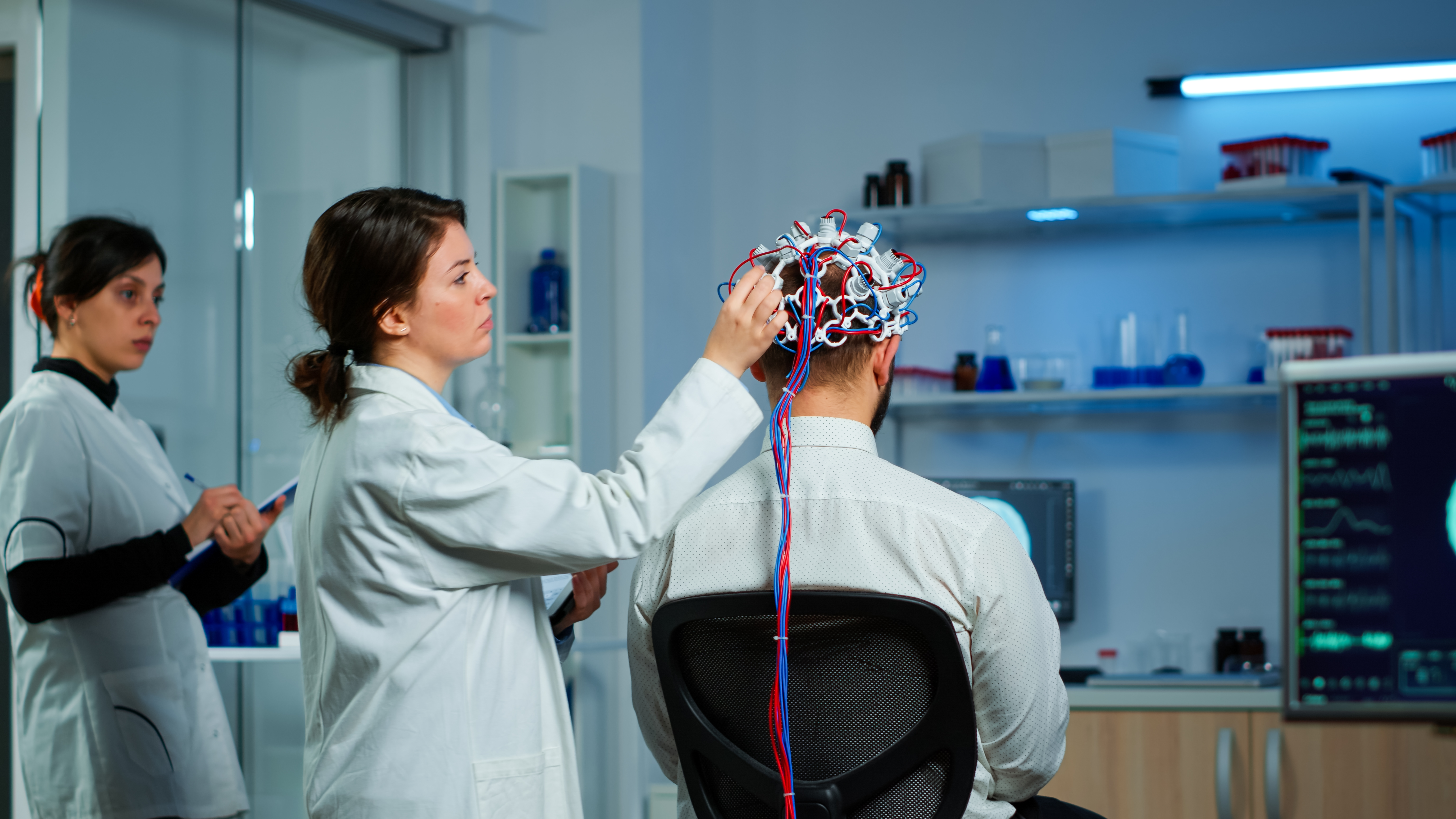
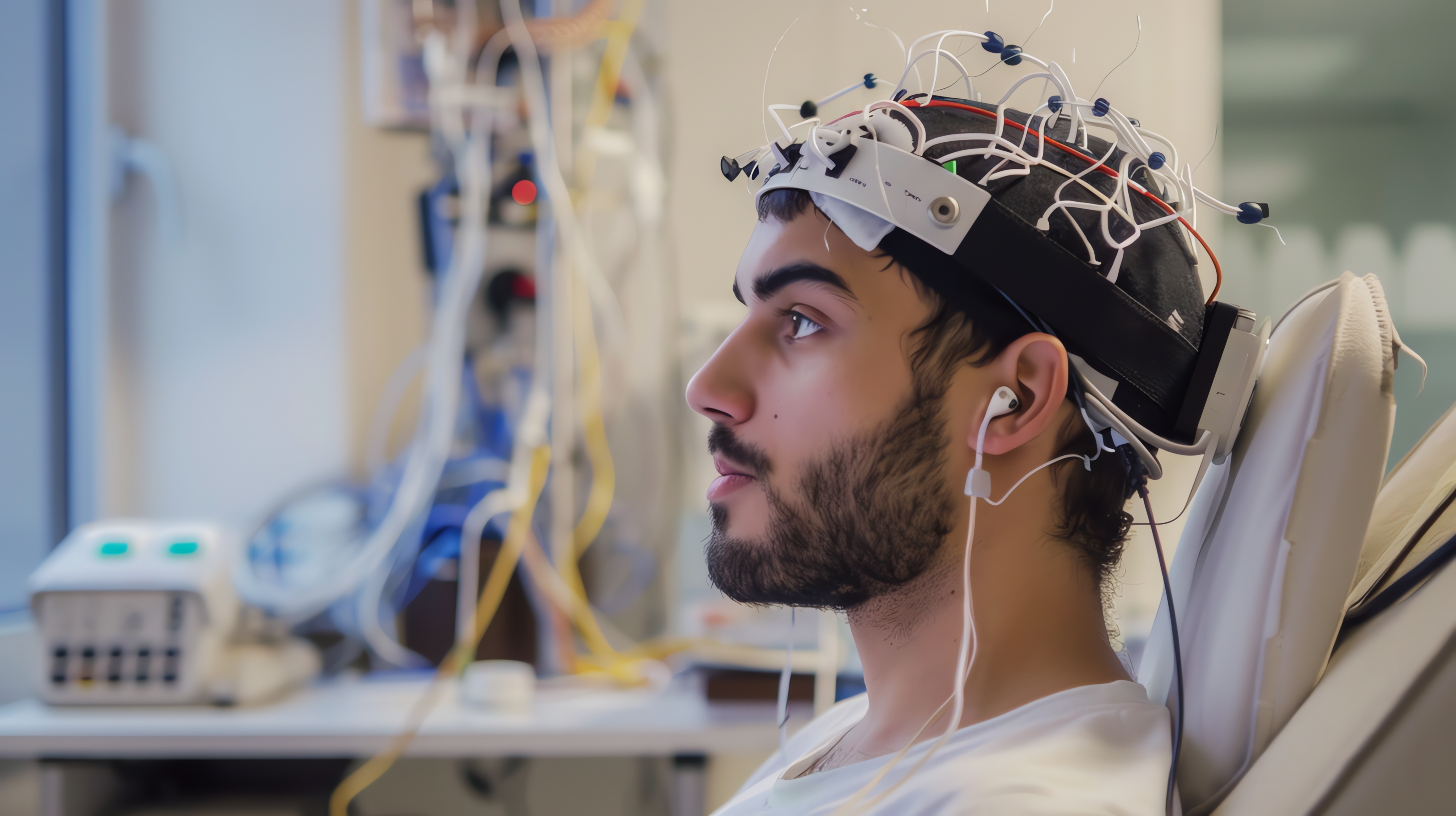
During an EEG, small electrodes are placed on the scalp. These electrodes detect electrical signals generated by brain activity and transmit the information to an EEG recording system.
The resulting recording contains brain-wave patterns that can be evaluated by an appropriately qualified healthcare professional.
An EEG does not send electricity into the brain. The electrodes are used to detect and record electrical activity.
The test is generally performed while the patient is resting, although the exact procedure can vary depending on the type of EEG requested.
What Does an EEG Test Record?
An EEG records patterns of electrical activity produced by the brain over the period of the examination.
Brain activity changes naturally depending on whether a person is awake, relaxed, drowsy or asleep.
The EEG recording can therefore contain different patterns during different states.
The healthcare professional interpreting the EEG considers the recorded activity together with the patient's clinical information.
An EEG recording is not interpreted simply by looking at whether a particular wave appears once. The pattern, timing, distribution and clinical context can all be relevant to interpretation.
Why Is an EEG Test Recommended?
A healthcare professional may recommend an EEG when information about brain electrical activity could help with a neurological assessment.
An EEG may be considered in situations involving symptoms such as:
- Episodes of unusual movements
- Suspected seizures
- Unexplained episodes of altered awareness
- Certain periods of unusual behaviour or responsiveness
- Some sleep-related neurological concerns
- Other symptoms where assessment of brain electrical activity may be clinically relevant
The reason for an EEG varies from patient to patient.
An EEG should be performed because it has been clinically recommended, not simply because a particular symptom appears in an online search.
How Does an EEG Test Work?
An EEG works by detecting electrical signals from the brain through electrodes positioned on the scalp.
Before recording begins, the electrodes are placed at specific locations on the scalp.
The electrodes detect electrical activity and send the signals to the recording equipment.
The EEG system converts these signals into waveforms that can be displayed and recorded for later interpretation.
The procedure does not involve cutting the scalp or placing electrodes inside the head.
During the recording, you may be asked to remain relaxed and follow simple instructions from the EEG technician or healthcare team.
What Happens During an EEG Test?
Understanding the EEG procedure can make the examination easier to approach, particularly if you have never had an EEG before.
1. Pre-Test Information
The healthcare team may ask about the reason for the EEG, relevant medical history, current medicines and any instructions provided by your doctor.
2. Electrode Placement
Small electrodes are positioned on your scalp using an appropriate method to obtain a good recording. The number and placement of electrodes depend on the EEG recording protocol.
3. Baseline Recording
You may be asked to relax quietly while the initial brain activity is recorded. Remaining still can help reduce unnecessary interference in the recording.
4. Additional Instructions
Depending on the EEG protocol, you may be asked to open and close your eyes, relax, or perform other simple activities during the recording.
5. Recording Period
The EEG equipment records brain electrical activity during the examination. The healthcare team monitors the recording and may make notes about relevant events or observations during the test.
6. Completion of the Test
Once the required recording has been obtained, the electrodes are removed and the examination is completed.
What Can an EEG Test Help Evaluate?
An EEG can provide information about electrical activity in the brain and may support the evaluation of certain neurological conditions.
Depending on the clinical situation, an EEG may contribute to the assessment of:
- Seizure-related disorders
- Episodes of altered awareness
- Certain abnormal brain activity patterns
- Some sleep-related neurological concerns
- Other conditions in which recording brain electrical activity is clinically useful
An EEG is one part of a clinical assessment.
The significance of the recording depends on the patient's symptoms, medical history, examination findings and other relevant investigations.
Can an EEG Detect Epilepsy?
An EEG can provide important information when epilepsy or seizure activity is being evaluated, but an EEG result should not be used alone to diagnose or exclude epilepsy.
Certain electrical patterns may support a clinical assessment for epilepsy.
However, brain electrical activity can vary over time, and an EEG records activity only during the period of the examination.
For this reason, the EEG findings need to be interpreted together with the patient's symptoms, history and other clinical information.
If an EEG does not show an abnormal pattern during the recording, that does not automatically mean that a seizure-related condition has been ruled out.
What Is the Difference Between an EEG and a Brain Scan?
An EEG and an imaging examination such as CT or MRI provide different types of information.
An EEG records electrical activity produced by the brain, whereas brain imaging creates pictures of brain structures.
| EEG | Brain Imaging |
|---|---|
| Records electrical brain activity | Produces images of brain structures |
| Uses scalp electrodes | Uses an imaging system |
| Does not produce structural pictures of the brain | Can show anatomical structures |
| Commonly used as part of neurological assessment | Used to evaluate structural or anatomical findings |
| Records activity during the examination | Produces images according to the imaging technique used |
The appropriate investigation depends on the clinical question your healthcare professional is trying to answer.
Is an EEG Test Painful?
An EEG is generally a non-invasive examination and does not normally involve painful procedures.
The electrodes are placed on the scalp to record brain activity.
You may feel some pressure or mild discomfort from the electrode setup, and the preparation involved in securing the electrodes may feel unusual if you have not had an EEG before.
Tell the healthcare team if you experience discomfort during the examination.
EEG Test in Sholinganallur
If you have been advised to undergo an EEG Test in Sholinganallur, confirm the specific examination, preparation requirements and appointment details before visiting.
An EEG may involve particular preparation instructions depending on the type of recording requested.
Before your appointment, confirm:
- The EEG examination required
- Appointment availability
- Whether any sleep-related preparation is required
- Whether you should continue your usual medicines
- Whether previous neurological reports should be brought
- Expected appointment duration
Do not change medication or deliberately alter your sleep schedule unless your healthcare professional has specifically instructed you to do so.
EEG Testing at AVR Scan Centre
AVR Scan Centre provides diagnostic services including Electroencephalogram (EEG) testing for patients who have been advised to undergo EEG evaluation.
The examination records brain electrical activity through electrodes placed on the scalp.
Before visiting, contact the centre to confirm the availability of the EEG examination recommended by your healthcare professional and to receive any preparation instructions applicable to your appointment.
How Should You Prepare for an EEG Test?
EEG preparation depends on the type of EEG being performed and the instructions provided for your appointment.
Following the correct preparation can help the EEG recording proceed smoothly and may help the healthcare team obtain a useful recording.
Before your appointment, confirm the specific preparation requirements with the diagnostic centre or healthcare professional who requested the EEG.
Wash Your Hair Before the EEG
You may be asked to arrive with clean hair so that the electrodes can be positioned properly on the scalp.
Avoid applying hair oil, gel, spray, wax or other styling products unless you have been specifically told otherwise.
Hair and scalp products can make electrode placement more difficult.
Follow Any Sleep-Related Instructions
Some EEG examinations may involve specific sleep or sleep-deprivation instructions.
Do not intentionally reduce your sleep unless your healthcare professional has specifically instructed you to do so.
If your EEG requires a particular sleep schedule, follow the instructions given for your examination.
Eat and Drink According to Your Instructions
For many EEG examinations, normal eating and drinking may be possible.
However, preparation can vary depending on the type of EEG and the individual clinical situation.
Follow the instructions provided for your appointment rather than assuming that fasting is required.
Continue Medicines as Instructed
Tell the healthcare team about all medicines you currently take.
Do not stop, skip or change prescribed medication unless your healthcare professional specifically instructs you to do so.
Some medicines can influence brain activity, so the healthcare team should know what you are taking when interpreting the examination.
Bring Relevant Medical Information
If available, bring:
- Doctor's prescription or referral
- Previous EEG reports
- Relevant neurological reports
- Previous brain imaging reports when applicable
- Current medication information
- Other documents requested for your appointment
This information can provide useful clinical context for the EEG examination.
What Should You Tell the EEG Team Before the Test?
Before the recording begins, provide relevant information about your health and the reason the EEG was requested.
Tell the healthcare team about:
- Previous seizures or seizure-like episodes
- Episodes of loss of awareness
- Unusual movements
- Fainting or episodes of altered responsiveness
- Sleep-related concerns
- Current medicines
- Previous neurological investigations
- Previous EEG findings
- Other relevant medical conditions
If someone witnessed the episode that led to the EEG recommendation, information about what happened before, during and after the episode may also be useful to your healthcare professional.
The more accurately the clinical history is documented, the better the EEG findings can be considered in the appropriate context.
What Happens When You Arrive for an EEG?
The EEG appointment generally begins with preparation for the recording.
1. Patient Information
The healthcare team may confirm your identity, referral information and the reason for the examination. You may also be asked about relevant medical history and medicines.
2. Scalp Preparation
The scalp may be prepared so that the electrodes can make appropriate contact.
3. Electrode Placement
Small electrodes are positioned at specific locations on the scalp. The electrodes detect electrical activity produced by the brain.
4. Recording
You will usually be asked to remain relaxed and as still as possible while the EEG is recorded.
Depending on the protocol, the healthcare team may ask you to perform simple activities during the recording.
5. Completion
After the required recording has been obtained, the electrodes are removed. You can then follow the instructions provided by the healthcare team.
What Does an EEG Test Feel Like?
An EEG is generally a non-invasive examination and does not normally cause significant pain.
The main part of the procedure involves placing electrodes on your scalp and remaining still during the recording.
You may notice:
- Mild pressure from the electrodes
- A sensation from the electrode placement
- Mild scalp or hair-product residue after the test
- Some inconvenience from remaining still for the recording period
If you feel uncomfortable at any stage, tell the EEG technician or healthcare team.
Can You Move During an EEG?
You can normally move when necessary, but unnecessary movement should be minimized during the recording.
Movement can introduce electrical interference or other artefacts into an EEG recording.
You may therefore be asked to:
- Remain relaxed
- Keep your body still
- Avoid unnecessary talking
- Follow instructions from the EEG technician
If you need to move, cough, adjust your position or communicate something important, inform the healthcare team.
Is an EEG Test Safe?
An EEG is generally considered a non-invasive test because it records electrical activity from the scalp rather than sending electrical signals into the brain.
The electrodes detect brain activity; they do not stimulate the brain during a standard EEG recording.
Tell the healthcare team about your medical history and any concerns before the examination.
If specific activities are included as part of the EEG protocol, follow the instructions given by the healthcare team.
Can an EEG Trigger a Seizure?
Some EEG protocols may include procedures designed to increase the likelihood of recording particular brain-wave patterns.
If such procedures are part of your examination, they should be performed according to the applicable clinical protocol with appropriate supervision.
Tell the healthcare team about your seizure history and follow their instructions throughout the examination.
Do not attempt to reproduce EEG activation procedures yourself at home.
How Long Does an EEG Test Take?
The duration of an EEG varies depending on the type of examination and the recording protocol.
The appointment may include:
- Patient preparation
- Electrode placement
- Baseline recording
- Additional recording activities when required
- Electrode removal
The recording time can differ between standard EEG examinations and other EEG protocols.
If you need to plan your day around the appointment, contact the centre beforehand to confirm the expected duration of your specific EEG.
What Happens After an EEG?
After the EEG recording is completed, the electrodes are removed and the examination process ends.
If scalp preparation products were used, you may notice some residue in the hair or on the scalp.
Follow any instructions provided by the healthcare team.
The recorded EEG data is then reviewed and interpreted as part of the clinical assessment.
Your EEG result should be considered together with:
- Symptoms
- Medical history
- Neurological examination
- Previous EEG findings
- Other relevant investigations
- The reason the EEG was requested
How Is an EEG Report Interpreted?
An EEG report describes findings from the recorded electrical activity of the brain during the examination.
Depending on the recording, the report may describe:
- Background brain activity
- Electrical patterns observed during the recording
- Differences between regions when relevant
- Abnormal electrical activity, if present
- Changes associated with particular stages or activities during the test
- Clinical events observed during recording
The interpretation depends on the complete recording and clinical context.
A single EEG report should not be interpreted as a diagnosis without considering the patient's symptoms and medical history.
What Does an Abnormal EEG Mean?
An abnormal EEG finding does not automatically mean that a person has a specific neurological condition.
Similarly, an EEG without a significant abnormality does not necessarily exclude every neurological condition.
The meaning of an EEG finding depends on:
- The type of abnormality
- When it occurred during the recording
- Its distribution
- The patient's symptoms
- Medical history
- Other neurological findings
- Other relevant investigations
Your healthcare professional can explain what the findings mean in relation to the reason the EEG was requested.
Can an EEG Be Normal Even If Someone Has Seizures?
Yes. A normal EEG does not necessarily rule out a seizure disorder.
An EEG records brain electrical activity during a particular period.
Abnormal electrical activity may not occur during every recording, and some seizure-related activity may not be captured during a particular examination.
For this reason, healthcare professionals interpret EEG findings together with the patient's clinical history and symptoms.
If symptoms continue despite a normal EEG, your healthcare professional may decide whether further evaluation is appropriate.
EEG Test in Sholinganallur – What Should You Confirm Before Booking?
If you are searching for an EEG Test in Sholinganallur, confirm the examination requirements before visiting.
Check:
- The type of EEG requested
- Appointment availability
- Hair and scalp preparation instructions
- Whether sleep-related preparation is required
- Medication instructions
- Whether fasting is required
- Whether previous EEG or neurological reports should be brought
- Expected appointment duration
Do not assume that every EEG requires the same preparation.
The instructions can depend on the specific EEG examination and the clinical reason for the test.
EEG Testing at AVR Scan Centre
If your healthcare professional has recommended an Electroencephalogram, you can contact AVR Scan Centre to confirm the availability of the EEG examination and understand the preparation requirements before your appointment.
The EEG service is intended for patients who have been advised to undergo recording of brain electrical activity as part of their clinical assessment.
Before visiting, confirm the specific EEG examination, appointment timing and any preparation instructions applicable to you.
Why Choose AVR Scan Centre for an EEG Test?
When looking for an EEG Test in Sholinganallur, patients may want clear information about the examination, preparation requirements, appointment process and location.
An EEG requires appropriate electrode placement and a suitable recording environment. Confirming the specific EEG examination before your visit can help you prepare according to the instructions provided.
Electroencephalogram Testing
The centre provides Electroencephalogram (EEG) testing for patients who have been advised to undergo recording of brain electrical activity.
The examination is performed using scalp electrodes that detect and record electrical activity produced by the brain.
Appointment and Preparation Information
Before your appointment, confirm:
- The type of EEG required
- Appointment availability
- Hair and scalp preparation
- Any sleep-related instructions
- Medication instructions
- Whether previous neurological reports should be brought
- Expected appointment duration
Following the instructions for the specific EEG examination can help the recording proceed smoothly.
What Should You Check Before Booking an EEG?
Before scheduling an Electroencephalogram Test, make sure you know which EEG examination has been requested and what preparation is required.
Check:
- Whether a prescription or referral is required
- The type of EEG requested
- Whether you need any sleep-related preparation
- Whether you should wash your hair before the test
- Whether hair products should be avoided
- Whether you should continue your usual medicines
- Whether previous EEG or neurological reports should be brought
- The expected appointment duration
Do not deliberately change your sleep pattern or medication schedule unless specifically instructed by your healthcare professional.
When Should You Discuss Symptoms Before an EEG?
Tell your healthcare professional about symptoms or episodes that led to the EEG recommendation.
These may include:
- Episodes of unusual movements
- Suspected seizures
- Loss or alteration of awareness
- Unusual periods of unresponsiveness
- Episodes occurring during sleep
- Unexplained neurological symptoms
- Other events that concern you
If possible, provide information about when the episode occurred, what happened during it and how you felt afterwards.
This information can help the healthcare professional interpret the EEG findings in the appropriate clinical context.
Frequently Asked Questions About EEG Test in Sholinganallur
An Electroencephalogram, or EEG, is a non-invasive test that records electrical activity produced by the brain using electrodes placed on the scalp.
AVR Scan Centre provides EEG testing at its Sholinganallur centre. Contact the centre before visiting to confirm the availability of the specific EEG examination and appointment requirements.
An EEG is generally non-invasive and does not normally involve significant pain. Small electrodes are placed on the scalp to record brain electrical activity. You may experience mild pressure or some discomfort from the electrode setup.
Preparation depends on the type of EEG. You may be asked to arrive with clean hair and avoid certain hair products. Some EEG examinations may have specific sleep-related instructions. Follow the instructions provided for your appointment.
Medication instructions vary according to the individual and the reason for the EEG. Tell the healthcare team about your medicines and follow the instructions provided by your healthcare professional. Do not stop prescribed medication on your own.
The duration varies depending on the type of EEG, electrode preparation and recording protocol. Contact the centre to confirm the expected duration of your specific examination.
An EEG can provide useful information when epilepsy or seizure activity is being evaluated. However, EEG findings are interpreted together with symptoms, medical history and other clinical information rather than being used alone to establish a diagnosis.
Yes. A normal EEG does not necessarily exclude a seizure disorder because the recording captures brain activity only during the examination period. Your healthcare professional will interpret the result in relation to your symptoms and clinical history.
A standard EEG is a non-invasive recording of brain electrical activity using scalp electrodes. The electrodes detect electrical signals rather than sending electrical signals into the brain. Follow the instructions provided by the healthcare team throughout the examination.
Bring your prescription or referral if applicable, previous EEG or neurological reports when available, current medication information and any other documents requested for your appointment.
Book an EEG Test at AVR Scan Centre, Sholinganallur
If your healthcare professional has recommended an Electroencephalogram, confirming the examination and preparation requirements before your appointment can help you arrive properly prepared.
Before visiting, confirm:
- The specific EEG examination
- Appointment availability
- Preparation requirements
- Sleep-related instructions, if applicable
- Medication instructions
- Whether previous reports should be brought
- Expected appointment duration
EEG Test in Sholinganallur
AVR Scan Centre – Sholinganallur
First Floor, No. 278/1 & 278/2, Commercial Building, Ramanyam Pushkar 2, Kalaignar Karunanidhi Salai, Sholinganallur – 600119.
Contact the centre to enquire about the EEG Test in Sholinganallur, confirm availability and understand the preparation requirements for your prescribed examination.
