
Computerized ECG in Sholinganallur
ECG Test at AVR Scan Centre
If your doctor has recommended an ECG test, you may want to know what an ECG records, why it is performed, how the test is done, whether it is painful, how to prepare and what happens after the examination.
An Electrocardiogram (ECG) is a commonly used cardiac test that records the electrical activity of the heart. A computerized ECG system records the electrical signals detected through electrodes placed on the skin and produces an ECG tracing that can be reviewed as part of a medical assessment.
An ECG may be recommended for different reasons, including evaluation of symptoms, routine medical assessment, pre-procedure evaluation or monitoring of certain known heart conditions.
If you are looking for a Computerized ECG in Sholinganallur, AVR Scan Centre provides computerized ECG testing as part of its diagnostic services.
What Is a Computerized ECG?
A computerized ECG, or electrocardiogram, is a test that records the electrical activity of the heart through electrodes placed on the skin.
Every heartbeat is associated with electrical activity that coordinates the contraction of the heart.
During an ECG, small electrodes are attached to specific areas of the body. These electrodes detect electrical signals generated by the heart.
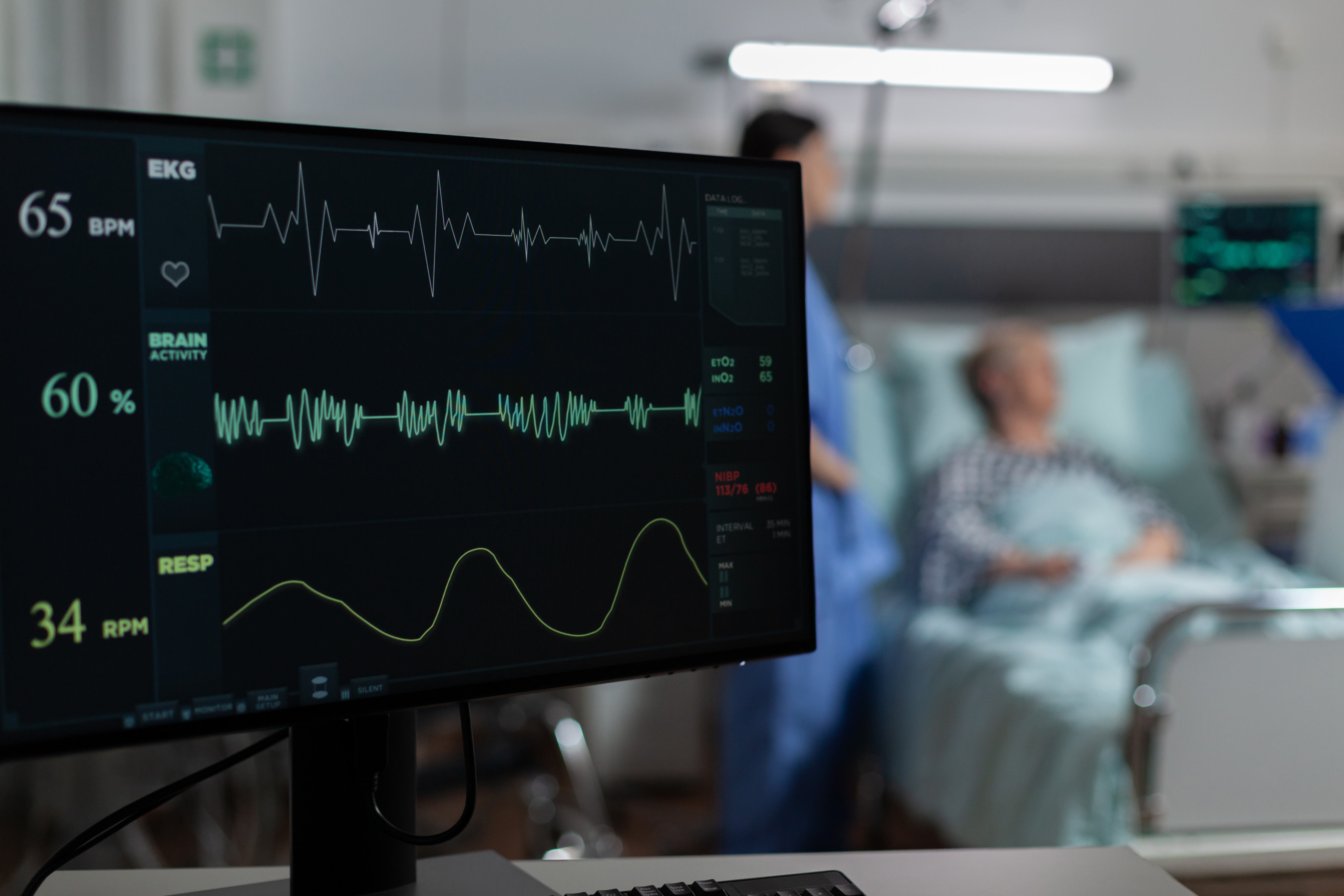
The ECG machine processes the signals and produces a tracing that represents the heart's electrical activity.
The resulting recording can provide information that may help a healthcare professional assess the heart's rhythm and electrical activity.
What Does ECG Stand For?
ECG stands for Electrocardiogram.
You may also see the term EKG used for the same type of test. Both terms refer to an electrocardiogram.
What Does a Computerized ECG Record?
A computerized ECG records the electrical activity of the heart over a short period of time.
The ECG tracing contains different waveforms and intervals that represent different phases of the heart's electrical activity.
A healthcare professional may assess aspects of the recording such as:
- Heart rate
- Heart rhythm
- Electrical conduction
- Timing of electrical activity
- Changes in the ECG waveform
The ECG recording is only one part of a cardiac assessment. An ECG result should be interpreted together with symptoms, medical history, examination findings and other relevant investigations when required.
Why Is an ECG Test Done?
An ECG may be recommended when a healthcare professional needs information about the heart's electrical activity or rhythm.
The reason for an ECG can vary from person to person.
An ECG may be performed when someone has symptoms such as:
- Chest discomfort
- Palpitations
- Shortness of breath
- Dizziness
- Fainting or near-fainting
- Unexplained weakness
- Irregular or unusually fast heartbeat
An ECG may also be requested as part of certain health assessments or before particular medical procedures.
The decision to perform an ECG depends on the individual's symptoms, medical history and clinical requirement.
You should not use an online ECG guide to decide whether you need a heart test. If a healthcare professional has recommended an ECG, follow their advice.
How Does a Computerized ECG Work?
A computerized ECG works by detecting the heart's electrical signals through electrodes attached to the skin.
The basic process involves:
- Electrodes are placed on the skin.
- The electrodes detect electrical signals produced by the heart.
- The ECG machine receives and processes these signals.
- The electrical activity is displayed as an ECG tracing.
- The recording can then be reviewed as part of the clinical assessment.
The test does not send electricity into your body. The electrodes detect electrical activity generated naturally by your heart.
What Happens During an ECG Test?
A standard ECG is usually a straightforward examination.
1. Patient Information Is Confirmed
The required ECG test and relevant information may be confirmed before the examination. If you have been given a doctor's prescription or referral, keep it available.
2. You Will Be Asked to Lie Down
You will generally lie comfortably on an examination bed. It is important to remain relaxed and as still as possible during the recording.
3. ECG Electrodes Are Attached
Small adhesive electrodes are placed on appropriate areas of the body. Depending on the ECG system and examination, electrodes may be positioned on the chest and limbs.
The electrodes are connected to the ECG machine using lead wires.
4. The ECG Is Recorded
The machine records the heart's electrical activity while you remain still. You may be asked to breathe normally and avoid talking or moving during the recording.
5. The Recording Is Completed
Once sufficient electrical activity has been recorded, the electrodes are removed and the examination is completed.
A standard resting ECG is generally a short examination.
Is a Computerized ECG Painful?
A standard ECG is generally painless and non-invasive.
The test does not involve inserting a needle or passing electricity through the body.
You may feel slight discomfort when adhesive electrodes are removed, particularly if they adhere firmly to the skin.
Some people may experience minor skin irritation from the adhesive, although this does not happen to everyone.
If you have sensitive skin or have previously reacted to medical adhesives, inform the healthcare professional before the electrodes are applied.
How Should You Prepare for a Computerized ECG?
A standard resting ECG usually does not require fasting or extensive preparation.
However, following a few simple steps can help the recording be obtained properly.
Before your ECG:
- Wear comfortable clothing that allows access to the chest and limbs.
- Avoid applying excessive body lotion or oil to the skin before the examination.
- Follow any specific instructions provided by your healthcare professional or diagnostic centre.
- Bring your prescription or referral if applicable.
- Keep relevant previous cardiac reports available if requested.
You generally do not need to change your normal diet or stop prescribed medicines unless your healthcare professional specifically instructs you to do so.
Do not stop any medication simply because you are having an ECG unless your doctor has advised you to.
What Can Affect an ECG Recording?
The quality of an ECG recording can be affected by movement or other factors that interfere with the electrical signal.
During the examination, try to:
- Remain still
- Avoid talking
- Relax your muscles
- Follow the instructions provided during the recording
- Breathe normally unless instructed otherwise
Factors such as muscle movement, shivering or poor electrode contact can create artefacts in an ECG recording.
A good-quality recording helps the healthcare professional assess the electrical activity more effectively.
What Is a Resting ECG?
A resting ECG is an electrocardiogram recorded while you are resting and lying comfortably.
It is one of the most commonly performed types of ECG.
During a resting ECG, the heart's electrical activity is recorded without exercise or deliberate physical stress.
A resting ECG may be used as part of an assessment when a doctor wants information about heart rhythm or electrical activity at rest.
What Is the Difference Between a Resting ECG and an Exercise ECG?
The main difference is the condition under which the heart's electrical activity is recorded.
A resting ECG records the heart while you are at rest.
An exercise ECG, often associated with a treadmill test, records the heart's electrical activity while the heart is subjected to controlled physical exercise.
These are different examinations and may be recommended for different clinical purposes.
If your doctor has prescribed a specific ECG or cardiac test, confirm which examination you need before booking.
What Information Can an ECG Provide?
An ECG can provide information about the heart's electrical activity and rhythm.
Depending on the recording and clinical context, an ECG may help healthcare professionals assess:
- Heart rate
- Heart rhythm
- Electrical conduction
- Certain changes in the ECG waveform
- Some patterns associated with cardiac conditions
However, an ECG does not provide a complete picture of every aspect of heart health.
Other investigations may be required depending on the symptoms and clinical question.
For example, a doctor may recommend additional tests such as an echocardiogram, blood tests, imaging or an exercise-based cardiac test when clinically appropriate.
Can an ECG Detect Heart Problems?
An ECG can provide important information about the heart's electrical activity, but it cannot by itself diagnose every heart condition.
An ECG may show abnormalities in heart rhythm or electrical conduction and can contribute useful information to a cardiac evaluation.
However, some heart conditions may require additional tests before a diagnosis can be established.
Your healthcare professional interprets the ECG in combination with your symptoms, medical history and other findings.
A normal ECG does not necessarily mean that every possible heart problem has been ruled out.
Computerized ECG in Sholinganallur
If you are searching for a Computerized ECG in Sholinganallur, AVR Scan Centre provides computerized ECG testing as part of its diagnostic services.
First Floor, No. 278/1 & 278/2, Commercial Building, Ramanyam Pushkar 2, Kalaignar Karunanidhi Salai, Sholinganallur, Chennai – 600119.
Before visiting, confirm the specific cardiac test recommended by your healthcare professional, appointment availability and any instructions applicable to your examination.
ECG Test for Different Patient Needs
An ECG may be requested in different healthcare situations. The reason for the examination can include:
- Evaluation of symptoms such as palpitations
- Assessment of an irregular heartbeat
- Investigation of chest discomfort
- Evaluation of dizziness or fainting
- Cardiac assessment as advised by a doctor
- Monitoring of certain known heart conditions
- Part of a broader health evaluation
- Pre-procedure or pre-operative assessment when clinically required
The purpose of the ECG should always be considered in relation to the individual's clinical situation.
The ECG is a diagnostic investigation, not a standalone measure of overall heart health.
What Happens Before a Computerized ECG?
A computerized ECG is a simple examination, but a few basic steps are followed before the recording begins to help obtain a clear tracing.
The technician may confirm your details and the type of ECG requested. You may also be asked about relevant medical information or medications depending on the reason for the examination.
You will then be positioned comfortably so that the ECG can be recorded while you are resting.
For an accurate recording, it is helpful to remain calm and avoid unnecessary movement during the test.
How Long Does a Computerized ECG Take?
A standard resting ECG is generally a short examination.
The actual recording usually takes only a few minutes, although the total time at the diagnostic centre can vary depending on registration, preparation, electrode placement and other requirements.
If your doctor has requested an ECG along with another cardiac investigation, the overall appointment may take longer.
For the exact expected appointment duration, it is best to confirm with the centre when scheduling your test.
What Should I Wear for an ECG Test?
Comfortable clothing can make an ECG easier to perform because the electrodes need to be positioned on the appropriate areas of the body.
You may be asked to adjust or remove clothing to allow proper electrode placement.
Before visiting, consider wearing:
- Comfortable clothing
- Clothing that allows access to the chest area
- Easy-to-adjust garments
- Minimal jewellery around the areas involved in the examination
Avoid applying excessive creams, oils or lotions to the skin immediately before the test, as they may affect electrode contact.
Can I Eat Before a Computerized ECG?
A standard resting ECG generally does not require fasting.
However, your preparation may depend on whether the ECG is being performed as part of another examination.
If your healthcare professional or diagnostic centre has provided specific instructions, follow those instructions rather than general information found online.
If you are unsure whether you can eat or drink before your appointment, confirm the instructions before visiting.
Can I Take My Regular Medicines Before an ECG?
In general, you should not stop prescribed medicines simply because you are having an ECG.
Certain medicines can influence heart rate or rhythm, so your healthcare professional may consider your medication history when interpreting the ECG.
If you have been specifically instructed to change or withhold a medicine before your examination, follow that medical advice.
If you are unsure, ask the healthcare professional who prescribed the medication before making any changes.
What Should I Tell the ECG Technician?
Before the examination, inform the healthcare team about relevant information that may affect your assessment.
- Current medicines
- Known heart conditions
- Previous ECG results, if relevant
- Recent cardiac investigations
- Symptoms you are experiencing
- Previous reactions to medical adhesives
- Any other information your doctor has asked you to provide
If you are experiencing symptoms such as chest discomfort, palpitations, dizziness or breathlessness, make sure the healthcare team is aware of them.
What Happens After a Computerized ECG?
Once the ECG recording is completed, the electrodes are removed and you can generally return to your usual activities unless you have been given different instructions for another examination.
The ECG tracing is then available for clinical review.
The significance of an ECG finding depends on the overall clinical context.
Your healthcare professional may consider:
- Your symptoms
- Medical history
- Heart rate and rhythm
- ECG waveform characteristics
- Previous ECG recordings
- Other investigation results
If further evaluation is required, your doctor may recommend additional cardiac tests.
An ECG report should be interpreted in the context of the person being examined rather than viewed as an isolated result.
How Is an ECG Report Used?
An ECG report provides information from the electrical recording obtained during the examination.
Depending on the ECG system, the report may contain measurements and computer-generated observations.
However, computer-generated ECG interpretations should not be treated as a diagnosis by themselves.
A healthcare professional should review the ECG in relation to the patient's symptoms, medical history and other relevant findings.
This is particularly important when an ECG contains an abnormal or unexpected finding.
What Does an Abnormal ECG Mean?
An abnormal ECG does not automatically mean that a person has a serious heart condition.
An ECG can show changes for many different reasons, and the significance of a particular finding depends on the individual's circumstances.
The healthcare professional may consider:
- The type of ECG change
- Your symptoms
- Your age and medical history
- Previous ECG results
- Current medicines
- Other cardiac investigations
Sometimes an ECG finding may require further evaluation, while in other situations it may not indicate a significant problem.
Do not try to diagnose an ECG abnormality from the report alone. Discuss the result with your doctor.

Can an ECG Be Normal Even If I Have Symptoms?
Yes. A normal ECG does not necessarily exclude every possible heart condition.
A standard ECG records the heart's electrical activity during a relatively short period.
Some symptoms or rhythm changes may not occur during the recording.
If symptoms continue despite a normal ECG, your doctor may decide that additional evaluation is appropriate.
Depending on the clinical situation, this could involve another type of ECG monitoring or a different cardiac investigation.
Computerized ECG vs Other Cardiac Tests
Different cardiac investigations provide different types of information.
A computerized ECG records the electrical activity of the heart.
An echocardiogram uses ultrasound to create images of the heart's structures and assess aspects of heart function.
A treadmill test records cardiac electrical activity and other parameters while a person performs controlled physical exercise.
These examinations are not interchangeable.
Your doctor may recommend one or more tests depending on the symptoms, medical history and information required.
When Should You Consider an ECG Test?
An ECG may be recommended when there is a clinical reason to assess the heart's electrical activity.
Common situations include evaluation of:
- Palpitations
- Irregular heartbeat
- Chest discomfort
- Dizziness
- Fainting
- Shortness of breath
- Unexplained changes in heart rate
It may also be requested during certain medical assessments or when monitoring an existing cardiac condition.
The need for an ECG should be determined by an appropriate healthcare professional based on your individual circumstances.
Is a Computerized ECG Safe?
A standard ECG is a non-invasive test that records electrical signals generated naturally by the heart.
The ECG machine does not expose you to X-ray radiation.
There is no needle insertion for a standard ECG, and the test itself does not normally cause pain.
The main minor issue some patients may experience is temporary skin discomfort when adhesive electrodes are removed.
If you have a known sensitivity to adhesives, tell the healthcare team before the examination.
Computerized ECG in Sholinganallur – What to Know Before Your Visit
If you have been advised to undergo an ECG and are looking for a Computerized ECG Test in Sholinganallur, confirm the examination details before visiting.
It is useful to check:
- Whether a resting ECG is the test prescribed
- Whether an appointment is required
- Whether any preparation applies to your examination
- Whether you should bring previous cardiac reports
- Whether you need to bring a doctor's prescription or referral
- The expected time required for the appointment
Providing the correct information before the examination can help the centre perform the test according to the requested requirement.
Who May Need a Computerized ECG?
An ECG can be requested for people with different symptoms or clinical circumstances.
A healthcare professional may recommend one when information about heart rhythm or electrical activity is needed.
It may be considered for:
- People experiencing palpitations
- Patients reporting certain types of chest discomfort
- People with dizziness or fainting
- Patients with suspected rhythm abnormalities
- People being monitored for known cardiac conditions
- Patients undergoing selected medical evaluations
An ECG should not be used as a substitute for professional medical assessment.
How Can You Get Ready for Your ECG Appointment?
A few simple steps can make your visit easier.
Before Leaving Home:
- Keep your doctor's prescription or referral available if applicable.
- Bring relevant previous ECG or cardiac reports if requested.
- Make a note of your current medicines.
- Wear comfortable clothing.
- Avoid applying excessive lotion or oil to the skin.
- Follow any specific instructions given by the centre or your healthcare professional.
During the Examination:
- Remain relaxed.
- Keep still while the recording is being made.
- Avoid talking unless instructed otherwise.
- Follow the technician's instructions.
These simple steps can help support a clear ECG recording.
Why Choose AVR Scan Centre for a Computerized ECG in Sholinganallur?
Choosing an ECG centre is not only about finding a location nearby. Patients may also want to know whether the required ECG test is available, whether the procedure is straightforward and whether they can obtain the examination according to their doctor's recommendation.
AVR Scan Centre provides Computerized ECG testing in Sholinganallur as part of its diagnostic services.
Computerized ECG Testing
The centre provides computerized ECG testing for patients who have been advised to undergo an electrocardiogram.
The examination records the electrical activity of the heart and produces an ECG tracing for clinical assessment.
Diagnostic Services in One Centre
Along with ECG testing, the centre provides other diagnostic investigations, including imaging and cardiac-related services.
Depending on your doctor's recommendation, these may include:
- MRI Scan
- MultiSlice 3D CT Scan
- Ultrasound
- X-Ray
- Echocardiogram
- Treadmill Test
- EEG
- PFT
- Digital Mammogram
- Laboratory Services
The appropriate investigation depends on the clinical requirement.
What Should You Check Before Booking an ECG Test?
Before booking a Computerized ECG in Sholinganallur, it is useful to confirm a few details so that you arrive prepared for the examination.
Check:
- The exact cardiac test prescribed by your doctor
- Whether you require a standard resting ECG
- Whether an appointment is required
- Whether any preparation is necessary
- Whether you should bring a prescription or referral
- Whether previous ECG or cardiac reports should be carried
- The expected time required for the examination
If your doctor has recommended more than one cardiac investigation, confirm whether the tests need to be performed during the same visit.
Computerized ECG for Cardiac Assessment
An ECG is one of the commonly used investigations for assessing the electrical activity of the heart.
It can provide useful information about heart rate, rhythm and electrical conduction.
The examination may form part of a wider cardiac assessment when a patient has symptoms or when a healthcare professional wants additional information about the heart.
Depending on the clinical situation, an ECG may be considered alongside other investigations such as an echocardiogram or treadmill test.
The choice of investigation should be based on the information your healthcare professional needs.
What If My ECG Result Is Abnormal?
An abnormal ECG finding does not automatically mean that you have a serious heart condition.
ECG findings need to be considered in relation to:
- Your symptoms
- Medical history
- Age and other relevant factors
- Current medicines
- Previous ECG recordings
- Other investigation results
Your doctor may decide that no further testing is required, or may recommend additional evaluation depending on the finding and your clinical situation.
Do not self-diagnose from an ECG report. A healthcare professional should explain what the findings mean for you.
Can an ECG Detect an Irregular Heartbeat?
An ECG can record the heart's electrical activity and may identify certain abnormal heart rhythms when they occur during the recording.
However, a standard ECG records only a short period of cardiac activity.
If an irregular heartbeat happens intermittently and is not present during the ECG recording, additional monitoring may sometimes be considered by the treating doctor.
The appropriate type of cardiac monitoring depends on the symptoms and clinical requirement.
Can I Resume Normal Activities After an ECG?
A standard resting ECG generally does not require recovery time.
Once the recording is complete and the electrodes have been removed, most patients can return to their normal activities unless they have been given different instructions for another examination.
If your ECG was performed as part of a broader cardiac test, follow the instructions provided for that particular examination.
Frequently Asked Questions About Computerized ECG in Sholinganallur
A computerized ECG is an electrocardiogram that records the heart's electrical activity using electrodes placed on the skin. The ECG machine processes the electrical signals and produces a tracing for clinical assessment.
AVR Scan Centre provides Computerized ECG testing in Sholinganallur. The centre is located at First Floor, No. 278/1 & 278/2, Commercial Building, Ramanyam Pushkar 2, Kalaignar Karunanidhi Salai, Sholinganallur, Chennai – 600119. Confirm availability before visiting.
A standard ECG is generally painless and non-invasive. Small electrodes are placed on the skin to record the heart's electrical activity. You may experience minor discomfort when adhesive electrodes are removed.
A standard resting ECG generally does not require fasting. However, follow any specific instructions provided by your healthcare professional or diagnostic centre.
The actual recording of a standard ECG is usually brief. The total appointment time can vary depending on registration, preparation, electrode placement and other requirements.
Comfortable clothing that allows access to the required areas of the body can make electrode placement easier. Avoid excessive creams or oils on the skin before the examination.
Do not stop prescribed medicines simply because you are having an ECG. If your doctor has given specific instructions about your medicines before the test, follow those instructions.
An ECG records the heart's electrical activity and can provide information about heart rate, rhythm and electrical conduction. The recording should be interpreted together with the patient's clinical information.
No. A standard ECG records cardiac electrical activity over a relatively short period and cannot rule out every possible heart condition. Your doctor may recommend additional evaluation if symptoms continue or if clinically required.
If applicable, bring your doctor's prescription or referral, previous ECG or cardiac reports and information about your current medicines. Follow any additional instructions provided before the appointment.
Book a Computerized ECG in Sholinganallur
If you have been advised to undergo an ECG test, choosing a diagnostic centre that provides the required examination can make the process straightforward.
AVR Scan Centre provides Computerized ECG testing in Sholinganallur as part of its diagnostic services.
Before your visit, confirm:
- The ECG test recommended by your doctor
- Availability of the examination
- Appointment requirements
- Any preparation instructions
- Documents or previous reports you should bring
Looking for a Computerized ECG in Sholinganallur?
Contact AVR Scan Centre – Sholinganallur to confirm the required ECG examination and appointment availability.
AVR Scan Centre – Sholinganallur
First Floor, No. 278/1 & 278/2, Commercial Building,
Ramanyam Pushkar 2, Kalaignar Karunanidhi Salai,
Sholinganallur, Chennai – 600119.
