
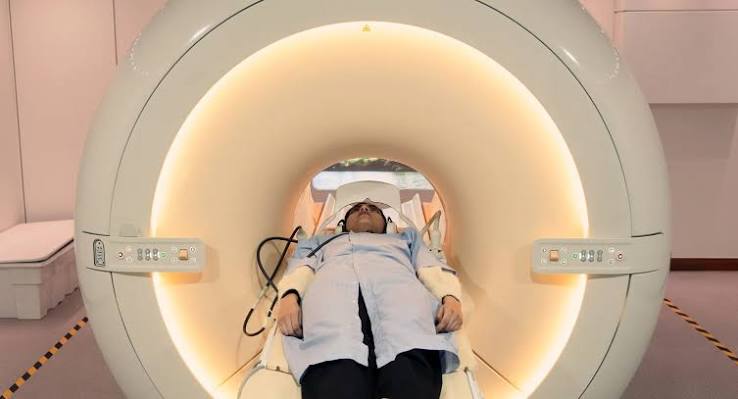
MRI Scan in Sholinganallur – 1.5T MRI Imaging at AVR Scan Centre
If your doctor has recommended an MRI scan, you may have questions about what the examination involves, how MRI works, what conditions it may help evaluate, whether special preparation is required and where you can undergo an MRI scan in Sholinganallur.
Magnetic Resonance Imaging (MRI) is one of the most commonly used diagnostic imaging examinations for evaluating soft tissues, joints, muscles, ligaments, nerves, the brain, spine and various internal structures of the body. Unlike imaging methods that use X-rays, MRI uses magnetic fields and radiofrequency waves to create detailed images.
The type of MRI examination recommended depends on your symptoms, medical history and the clinical information required by your doctor. MRI may be used to examine different parts of the body, including the brain, spine, joints, muscles and other soft tissues.
For patients searching for an MRI Scan in Sholinganallur, AVR Scan Centre provides 1.5T MRI imaging services for a wide range of diagnostic requirements.
Understanding the examination before your appointment can help you feel more prepared and ensure that you follow any instructions provided for your specific scan.
Quick Answer – What Is an MRI Scan?
An MRI (Magnetic Resonance Imaging) scan is a diagnostic imaging examination that uses magnetic fields and radiofrequency waves to create detailed images of structures inside the body.
MRI is commonly used when detailed visualization of soft tissues, nerves, muscles, joints, ligaments, organs and other internal structures is required.
Unlike CT scans and X-rays, MRI does not use ionizing radiation. Instead, it uses a powerful magnetic field and advanced computer technology to generate detailed images that can help doctors evaluate a variety of medical conditions.
The exact MRI examination performed depends on the body part being examined and the clinical reason for the investigation.
What Is an MRI Scan?
MRI stands for Magnetic Resonance Imaging, a diagnostic imaging technique that produces detailed images of internal body structures.
The examination uses:
- A strong magnetic field
- Radiofrequency waves
- Advanced computer processing
These technologies work together to create highly detailed images that can assist healthcare professionals in evaluating different anatomical structures.
MRI is particularly useful when detailed soft tissue imaging is required.
Depending on the examination, MRI may be used to evaluate:
- Brain structures
- Spine and spinal discs
- Joints
- Ligaments
- Tendons
- Muscles
- Nerves
- Pelvic structures
- Abdominal structures
- Blood vessels in selected examinations
The specific MRI examination performed depends entirely on the clinical indication and the information required by the referring doctor.
What Does 1.5T MRI Mean?
Patients often see the term 1.5T MRI and wonder what it means.
The "T" refers to Tesla, which is the unit used to measure magnetic field strength.
A 1.5 Tesla MRI scanner is one of the most widely used MRI systems in diagnostic imaging and is commonly used for a broad range of MRI examinations.
The magnetic field generated by the scanner helps produce detailed images that can be analysed by healthcare professionals.
The choice of MRI system and imaging protocol depends on the examination being performed and the clinical information required.
For patients undergoing MRI examinations, the most important consideration is following the preparation instructions and safety guidance provided before the scan.
Why Might a Doctor Recommend an MRI Scan?
A doctor may recommend an MRI scan when detailed imaging of internal structures can provide useful information for clinical evaluation.
The decision to perform an MRI depends on several factors, including:
- Symptoms
- Medical history
- Physical examination findings
- Previous investigations
- Clinical concerns
- Information required for diagnosis or treatment planning
MRI may be recommended when detailed evaluation of soft tissues and internal structures is required.
The examination prescribed by your doctor should always match your individual clinical requirements.
Patients should not select an MRI examination solely based on online information. The appropriate scan should be determined by a qualified healthcare professional.
Common Reasons Doctors Recommend an MRI Scan
MRI examinations may be recommended for a variety of clinical situations depending on the symptoms being evaluated.
Brain-Related Symptoms
MRI may be recommended when detailed imaging of brain structures is required as part of a neurological evaluation.
Spine and Back Pain
MRI can provide detailed images of the spine, discs, nerves and surrounding structures when clinically indicated.
Neck Pain
MRI may be used when detailed assessment of cervical spine structures is required.
Joint Pain
MRI can provide detailed visualization of joints and surrounding soft tissues.
Sports Injuries
Doctors may recommend MRI when detailed evaluation of muscles, ligaments, tendons or joints is needed.
Ligament and Tendon Injuries
MRI can provide detailed soft tissue imaging and may be used in the assessment of sports-related and non-sports-related injuries.
Nerve-Related Symptoms
MRI may be useful when evaluation of nerves or structures affecting nerves is clinically required.
Soft Tissue Evaluation
MRI is commonly used for examining muscles, connective tissues and other soft tissue structures.
The exact reason for your MRI examination should always be discussed with your doctor.
What Types of MRI Scans Are Available?
MRI can be performed on different areas of the body depending on the clinical requirement.
Brain MRI
A Brain MRI produces detailed images of brain structures and may be recommended when detailed neurological imaging is required.
Spine MRI
Spine MRI may be used to examine the cervical, thoracic or lumbar spine depending on the symptoms and clinical indication.
Knee MRI
A Knee MRI can provide detailed images of ligaments, cartilage, tendons and other structures around the knee joint.
Shoulder MRI
Shoulder MRI may be recommended when detailed imaging of shoulder structures is required.
Joint MRI
MRI can provide detailed visualization of different joints throughout the body.
Pelvis MRI
Pelvic MRI may be used when detailed imaging of pelvic structures is required.
Abdomen MRI
MRI may be recommended for selected abdominal imaging examinations.
MR Angiography (MRA)
MR Angiography is an MRI-based technique used to visualize certain blood vessels when clinically indicated.
The specific MRI examination performed depends on the body part being evaluated and the clinical information required.
How Does an MRI Scan Work?
MRI uses a powerful magnetic field together with radiofrequency waves to generate detailed images of structures inside the body.
During the examination:
- The patient lies on the MRI table.
- The area being examined is positioned appropriately.
- The scanner creates a magnetic field around the body.
- Radiofrequency signals are used during image acquisition.
- Advanced computer processing converts the collected information into detailed images.
The images produced can then be reviewed by qualified healthcare professionals as part of the diagnostic process.
Unlike X-rays and CT scans, MRI does not use ionizing radiation.
Choosing the Right MRI Scan Centre in Sholinganallur
When selecting an MRI scan centre, patients often consider factors such as accessibility, appointment availability, scan preparation guidance and the range of diagnostic imaging services available.
Before scheduling your MRI examination, it is helpful to confirm:
- The specific MRI scan recommended by your doctor
- Whether any special preparation is required
- If contrast imaging has been advised
- Documents or previous reports to bring
- Expected scan duration
- Appointment availability
- Any safety information relevant to your medical history
Understanding these details before your appointment can help ensure a smoother experience and allow you to prepare appropriately for your MRI examination.
What Happens During an MRI Scan?
Understanding the MRI process beforehand can help you feel more comfortable and prepared for your appointment.
Although the exact procedure may vary depending on the area being examined, most MRI scans follow a similar process.
1. Registration and Safety Screening
Before the scan begins, you may be asked to complete a safety questionnaire. This helps the MRI team identify any medical devices, implants or other factors that may require special attention before the examination.
You may be asked about:
- Previous surgeries
- Medical implants
- Pacemakers or cardiac devices
- Metal fragments or injuries
- Dental work
- Current medical conditions
- Pregnancy or possible pregnancy
Providing accurate information helps ensure the examination is performed safely.
2. Preparation Before the Scan
Depending on the type of MRI examination, you may receive specific preparation instructions.
Some MRI scans require no special preparation, while others may involve additional instructions regarding food, fluids or medications.
Patients should always follow the guidance provided for their specific examination.
3. Removing Metallic Objects
Because MRI uses a powerful magnetic field, metallic objects must be removed before entering the scan room.
You may be asked to remove:
- Jewellery
- Watches
- Hairpins
- Eyeglasses
- Hearing aids
- Wallets
- Mobile phones
- Keys
- Metallic accessories
The MRI team will guide you regarding any items that should not enter the MRI environment.
4. Positioning for the Examination
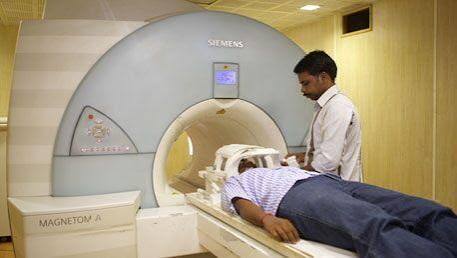
You will lie comfortably on the MRI examination table.
The MRI team will position you according to the body part being examined.
Depending on the scan, supportive cushions or positioning aids may be used to help you remain comfortable throughout the examination.
Remaining still during image acquisition is important because movement can affect image quality.
5. During the MRI Scan
Once the examination begins, the MRI table moves into the scanner.
During image acquisition, the scanner produces various tapping, knocking or humming sounds. These sounds are a normal part of MRI operation.
Patients are usually provided with ear protection for comfort.
Throughout the examination, you will be able to communicate with the MRI team if necessary.
Depending on the examination, you may occasionally be asked to:
- Remain still
- Hold your breath briefly
- Follow simple instructions from the MRI technologist
The exact duration varies according to the type of MRI examination being performed.
6. Completion of the Scan
After image acquisition is complete, the MRI table moves out of the scanner and the examination concludes.
In many cases, patients can resume normal activities unless advised otherwise by the healthcare team.
How Should You Prepare for an MRI Scan?
MRI preparation depends on the examination being performed and whether contrast imaging has been recommended.
Following the preparation instructions provided before your appointment can help ensure the scan proceeds smoothly.
Follow Your Examination Instructions
Preparation requirements vary between MRI examinations.
You may be advised regarding:
- Food and fluid intake
- Medication use
- Arrival time
- Clothing recommendations
- Additional examination-specific instructions
Always follow the instructions provided for your appointment.
Wear Comfortable Clothing
Many patients prefer comfortable clothing for their MRI appointment.
Depending on the examination, you may be asked to change into appropriate scan attire before the procedure.
Arrive Early
Arriving before your appointment allows time for:
- Registration
- Safety screening
- Completion of necessary forms
- Preparation before scanning
Bring Relevant Medical Information
If available, bring:
- Doctor's referral or prescription
- Previous MRI reports
- Previous CT reports
- X-ray reports
- Ultrasound reports
- Relevant medical records
- Current medication information
Previous imaging studies may provide useful clinical context.
MRI Safety Information
MRI is widely used in diagnostic imaging and does not use ionizing radiation.
However, because MRI uses a strong magnetic field, certain safety considerations are important.
Before undergoing MRI, inform the imaging team about any medical devices, implants or previous surgical procedures.
Inform the MRI Team If You Have:
- A pacemaker
- Cardiac implants
- Neurostimulators
- Cochlear implants
- Metallic implants
- Artificial joints
- Surgical clips
- Metal fragments from previous injuries
- Any implanted medical device
The MRI team can determine whether additional safety evaluation is required before the examination.
Pregnancy and MRI
If you are pregnant or think you may be pregnant, inform both your doctor and the MRI team before the examination.
The decision regarding imaging during pregnancy should always be made based on clinical requirements and medical advice.
Claustrophobia and MRI
Some patients feel anxious in enclosed spaces.
If you have concerns about claustrophobia or anxiety during MRI, discuss this before your appointment.
The MRI team can explain the examination process and provide guidance regarding available options.
Do All MRI Scans Require Contrast?
No. Many MRI examinations are performed without contrast, while others may require contrast depending on the clinical question being evaluated.
The decision to use contrast is based on:
- The body part being examined
- The clinical indication
- Information required by the doctor
- MRI protocol
- Diagnostic requirements
Whether contrast is required should be determined by the healthcare professionals responsible for your examination.
Before Contrast MRI
Inform the healthcare team if you have:
- Previous contrast reactions
- Kidney-related conditions
- Relevant medical concerns
- Pregnancy or possible pregnancy
Providing accurate medical information helps the team assess the most appropriate approach for your examination.
Can Patients With Implants Undergo MRI?
Many patients with medical implants can safely undergo MRI examinations, but every situation requires individual assessment.
Before your MRI appointment, inform the MRI team about:
- Pacemakers
- Cardiac devices
- Cochlear implants
- Orthopaedic implants
- Surgical clips
- Stents
- Artificial joints
- Dental implants
- Any other implanted medical device
The MRI team will review the information provided and determine whether any additional evaluation is required.
Patients should never assume that an implant is automatically MRI-compatible without professional assessment.
How Long Does an MRI Scan Take?
The duration of an MRI scan depends on several factors, including:
- The body part being examined
- The complexity of the examination
- The number of images required
- Whether contrast imaging is needed
- The MRI protocol being used
Some examinations may be completed relatively quickly, while others can take longer.
Patients are encouraged to confirm the expected duration of their specific MRI examination when scheduling their appointment.
What Happens After an MRI Scan?
After the examination is completed, the acquired images are processed and prepared for interpretation.
If contrast was used, follow any instructions provided by the healthcare team.
MRI findings should always be interpreted alongside:
- Medical history
- Symptoms
- Physical examination findings
- Previous investigations
- Other imaging studies
Your doctor will explain the significance of the MRI findings in relation to your overall clinical condition and healthcare needs.
Why Choose AVR Scan Centre for an MRI Scan in Sholinganallur?
When choosing an MRI scan centre, patients often look for factors such as accessibility, appointment convenience, imaging services and a patient-focused diagnostic experience.
AVR Scan Centre provides 1.5 Tesla MRI imaging services at its Sholinganallur branch and offers a range of diagnostic imaging and healthcare investigations under one roof. MRI services are available at the Sholinganallur centre.
1. 1.5T MRI Imaging Services
AVR Scan Centre offers 1.5T MRI scanning, which is commonly used for a wide range of diagnostic imaging examinations involving the brain, spine, joints, muscles, ligaments and other internal structures.
2. Convenient Appointment Process
Patients can contact the centre directly to enquire about MRI availability, preparation requirements and appointment scheduling. The centre also provides an appointment enquiry facility through its website.
3. Comprehensive Diagnostic Services
In addition to MRI, AVR Scan Centre provides multiple diagnostic services including:
- MultiSlice 3D Spiral CT Scan
- Ultrasound
- X-Ray
- Digital Mammogram
- Computerized ECG
- Echo Cardiogram
- Treadmill Test (TMT)
- EEG
- PFT
- Laboratory Services
- Preventive Health Checkups
- OPG
Having multiple diagnostic services available can help patients access different investigations at a single diagnostic centre.
4. Focus on Diagnostic Imaging
AVR Scan Centre provides imaging and diagnostic services for patients, doctors, hospitals and healthcare providers and highlights its use of advanced diagnostic technology.
Before Booking Your MRI Scan
Before confirming your appointment, it is helpful to know:
- The body part being examined
- Whether contrast imaging has been recommended
- Any preparation instructions
- Whether previous reports should be carried
- Current medications you may need to disclose
- Details of any implants or medical devices
- Any previous MRI examinations relevant to your condition
Following the preparation guidance provided for your specific examination helps improve the overall scanning experience.
Frequently Asked Questions About MRI Scan in Sholinganallur
An MRI (Magnetic Resonance Imaging) scan is a diagnostic imaging examination that uses magnetic fields and radiofrequency waves to create detailed images of structures inside the body.
No. MRI does not use ionizing radiation.It uses magnetic fields and radiofrequency waves to generate images.
The duration varies depending on the examination being performed, the body part being examined and whether contrast imaging is required.
No. Many MRI examinations are performed without contrast.The decision depends on the clinical indication and the imaging requirements.
Patients are generally advised to wear comfortable clothing and avoid metallic accessories. The MRI team will provide specific instructions if required.
Many patients with dental implants can undergo MRI examinations, but you should always inform the MRI team about any implants before the scan.
MRI is commonly used when detailed evaluation of muscles, ligaments, tendons and joints is required as part of a clinical assessment.
MRI may be recommended when detailed imaging of the spine, discs, nerves and surrounding structures is required.
MRI can provide detailed images of ligaments and other soft tissue structures when clinically indicated.
The most appropriate MRI examination should be based on a doctor's clinical assessment and recommendation.
Schedule Your MRI Scan at AVR Scan Centre, Sholinganallur
If your doctor has recommended an MRI examination, understanding the purpose of the scan, preparation requirements and safety considerations can help you approach the examination with confidence.
AVR Scan Centre provides 1.5T MRI imaging services at its Sholinganallur branch, along with a range of diagnostic and imaging services. MRI services are specifically available at the Sholinganallur location.
Before your appointment, contact the centre to confirm:
- MRI examination availability
- Appointment scheduling
- Preparation requirements
- Contrast-related instructions (if applicable)
- Documents to bring
AVR Scan Centre provides 1.5T MRI Scan services in Sholinganallur for patients seeking diagnostic imaging examinations recommended by their doctors. MRI services are available at the Sholinganallur branch located on Kalaignar Karunanidhi Salai.
AVR Scan Centre – Sholinganallur
First Floor, No. 278/1 & 278/2, Commercial Building, Ramanyam Pushkar 2, Kalaignar Karunanidhi Salai, Sholinganallur – 600119.
