
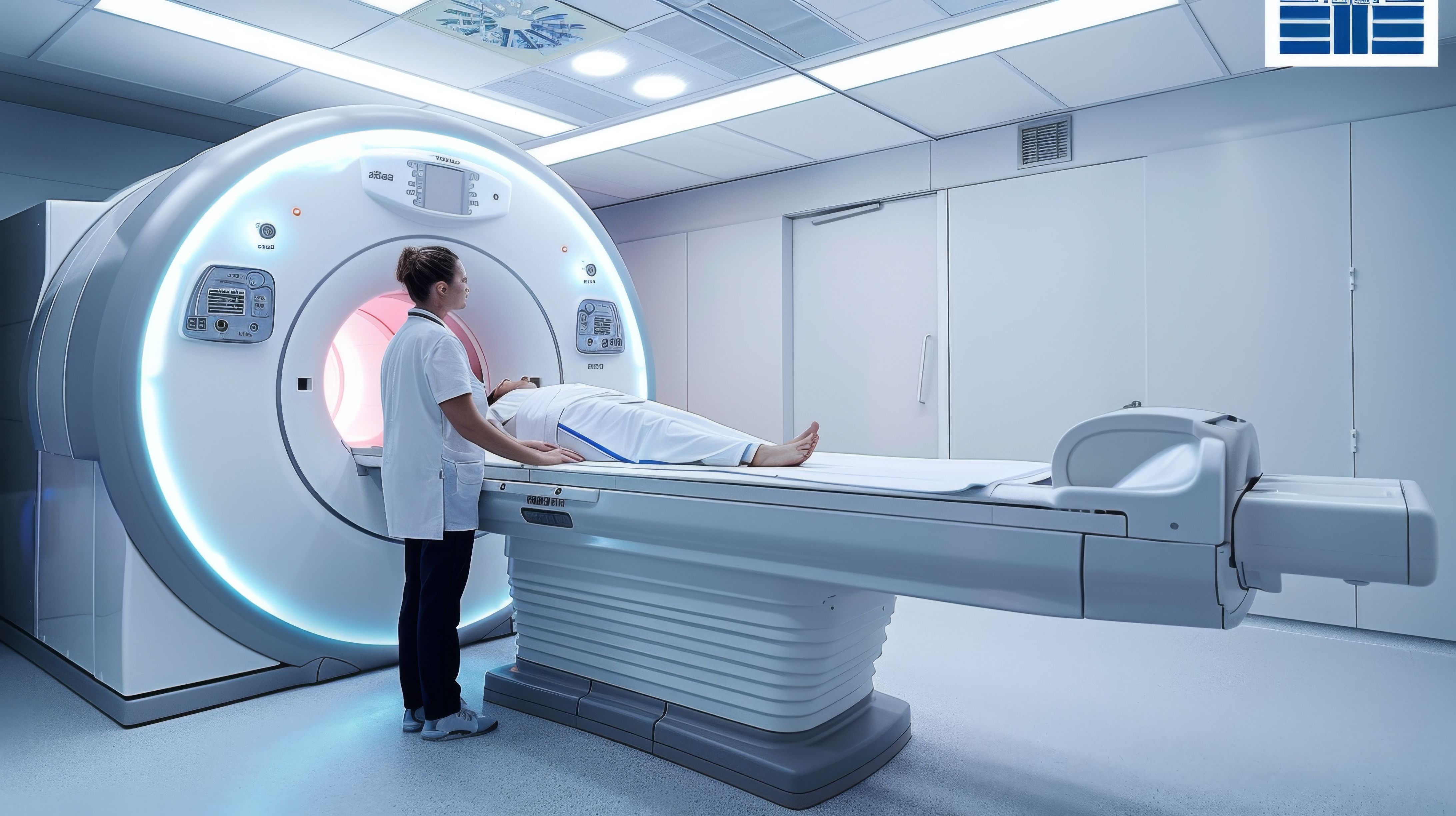
MultiSlice 3D CT Scan in Sholinganallur
CT Imaging at AVR Scan Centre
If your doctor has recommended a CT scan, you may have questions about what the examination involves, how CT imaging works, what conditions it may help evaluate, whether special preparation is required and where you can undergo a CT Scan in Sholinganallur.
Computed Tomography (CT) is a widely used diagnostic imaging examination that combines X-ray technology with advanced computer processing to create detailed cross-sectional images of structures inside the body. Modern MultiSlice 3D CT technology allows detailed visualization of different anatomical regions and can assist doctors in evaluating a variety of medical conditions.
Depending on the clinical requirement, CT examinations may be performed for the brain, facial bones, sinuses, neck, chest, lungs, abdomen, urinary system, spine, joints and other areas of the body.
For patients searching for a CT Scan in Sholinganallur, AVR Scan Centre provides MultiSlice 3D Spiral CT Scan services for a wide range of diagnostic imaging requirements.
Understanding the examination beforehand can help you prepare appropriately and follow any instructions provided before your appointment.
Quick Answer – What Is a MultiSlice 3D CT Scan?
A MultiSlice 3D CT Scan is a diagnostic imaging examination that uses X-rays and computer technology to create detailed cross-sectional images of structures inside the body.
The term "MultiSlice" refers to the scanner's ability to acquire multiple image slices during a scan, while "3D" refers to the ability to reconstruct images into three-dimensional views when clinically required.
CT scans are commonly used when doctors require detailed imaging of bones, organs, blood vessels, lungs, joints and other internal structures.
The specific CT examination performed depends on the body part being evaluated and the information required by the treating doctor.
What Is a MultiSlice 3D CT Scan?
Computed Tomography (CT) is an advanced imaging technique that uses X-rays together with computer processing to generate highly detailed images of structures inside the body.
Unlike a standard X-ray that produces a single image, CT acquires multiple images from different angles. These images are then processed by a computer to create cross-sectional views of the body.
MultiSlice CT technology allows multiple slices of data to be captured rapidly during a scan, helping create detailed images of anatomical structures.
Depending on the examination, CT imaging may be used to evaluate:
- Brain
- Facial bones
- Sinuses
- Neck
- Chest
- Lungs
- Abdomen
- Pelvis
- Kidneys and urinary tract
- Spine
- Joints
- Blood vessels
The exact examination performed depends on the clinical indication and the doctor's recommendation.
What Does "MultiSlice 3D Spiral CT" Mean?
Patients often come across the term MultiSlice 3D Spiral CT Scan and wonder what it actually means.
MultiSlice
MultiSlice technology allows the CT scanner to capture multiple image slices during a single scan.
This helps generate detailed anatomical information while supporting efficient image acquisition.
Spiral CT
Spiral CT, also known as helical CT, refers to the continuous movement of the examination table through the scanner while images are acquired.
This scanning technique allows continuous data collection and detailed image reconstruction.
3D CT Imaging
The data obtained from a CT examination can be processed into three-dimensional views when clinically appropriate.
Three-dimensional reconstruction can assist healthcare professionals in visualizing certain anatomical structures from different perspectives.
Why Might a Doctor Recommend a CT Scan?
A doctor may recommend a CT scan when detailed cross-sectional imaging can provide useful information for clinical evaluation.
The decision depends on:
- Symptoms
- Medical history
- Physical examination findings
- Previous investigations
- Clinical concerns
- Body part requiring assessment
- Information needed for diagnosis or treatment planning
CT imaging is widely used because it can provide detailed images of various structures within the body.
The most appropriate examination should always be selected according to the patient's clinical requirements.
Common Reasons Doctors Recommend a CT Scan
CT examinations may be recommended in a variety of clinical situations.
Head and Brain Evaluation
CT may be used when detailed imaging of structures within the head is required.
Sinus Assessment
CT can provide detailed images of the paranasal sinuses and surrounding structures.
Facial Bone Evaluation
Facial bone CT scans may be recommended when detailed imaging of facial structures is required.
Chest and Lung Assessment
CT imaging may be used when detailed evaluation of structures within the chest is clinically required.
HRCT Lung Evaluation
High-Resolution CT (HRCT) may be recommended when detailed imaging of lung tissue is required.
Abdominal Imaging
CT scans can provide detailed images of abdominal organs and surrounding structures.
Urinary Tract Assessment
CT may be used for imaging the kidneys, ureters and urinary bladder when clinically indicated.
Spine Evaluation
CT can provide detailed images of spinal anatomy and bony structures.
Joint Imaging
Joint CT examinations may be recommended when detailed assessment of bony structures is required.
The exact examination recommended depends on the patient's symptoms and clinical requirements.
What Types of CT Scans Are Available?
Different CT examinations are performed depending on the area of the body being evaluated.
Brain CT Scan
Provides detailed images of structures within the head and brain.
Facial Bone CT Scan
Used for detailed visualization of facial skeletal structures.
Orbit CT Scan
Evaluates structures surrounding the eyes.
PNS CT Scan
Provides detailed imaging of the paranasal sinuses.
Neck CT Scan
Used to evaluate structures within the neck region.
Chest CT Scan
Provides cross-sectional images of structures inside the chest.
HRCT Lung Scan
High-resolution imaging of lung tissue and related structures.
Abdomen CT Scan
Provides detailed images of abdominal organs and tissues.
KUB CT Scan
Evaluates the kidneys, ureters and urinary bladder.
Spine CT Scan
Provides detailed images of spinal structures.
Joint CT Scan
Used for detailed evaluation of joints and surrounding bony anatomy.

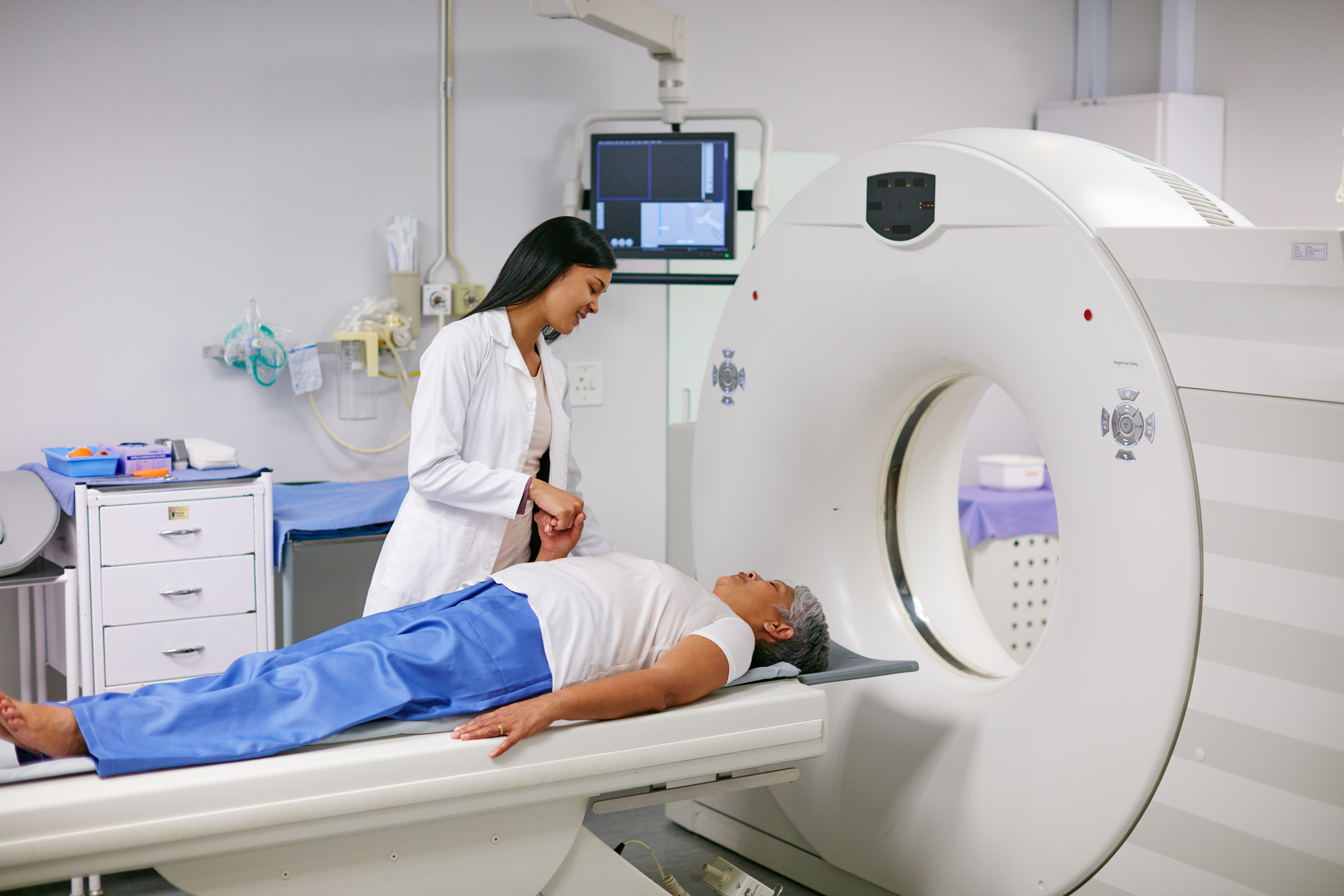
How Does a CT Scan Work?
CT imaging combines X-ray technology with advanced computer processing.
During the examination:
- The patient lies on the CT examination table.
- The table moves through the CT scanner.
- X-ray images are acquired from multiple angles.
- The collected data is processed by a computer.
- Cross-sectional images are created.
- Three-dimensional reconstructions may be generated when appropriate.
The resulting images help healthcare professionals evaluate the area being examined.
Choosing the Right CT Scan Centre in Sholinganallur
When selecting a CT scan centre, patients often consider factors such as accessibility, appointment availability, preparation guidance and the range of diagnostic imaging services available.
Before scheduling your CT examination, it is helpful to confirm:
- The specific CT scan recommended by your doctor
- Whether preparation is required
- If contrast imaging has been advised
- Documents or previous reports to bring
- Expected examination duration
- Appointment availability
- Safety information relevant to your medical history
Understanding these details beforehand can help ensure a smoother diagnostic experience.
What Happens During a CT Scan?
Understanding the CT scan process beforehand can help patients feel more comfortable and prepared for their appointment.
Although the exact procedure may vary depending on the examination being performed, most CT scans follow a similar process.
Registration and Clinical Information Review
Before the examination begins, the imaging team may review important information related to your scan.
You may be asked about:
- Your doctor's referral
- Current symptoms
- Medical history
- Previous imaging examinations
- Current medications
- Pregnancy status where applicable
- Previous reactions to contrast agents
Providing accurate information helps ensure the most appropriate imaging protocol is used.
Examination Preparation
Preparation requirements vary depending on the type of CT scan being performed.
Some CT examinations require no special preparation, while others may involve specific instructions regarding food, fluids or medications.
Patients should always follow the instructions provided before their appointment.
Removing Metallic Objects
For certain examinations, you may be asked to remove items that could interfere with image quality.
These may include:
- Jewellery
- Watches
- Glasses
- Hair accessories
- Removable dental appliances
- Metallic objects in the examination area
The imaging team will provide guidance depending on the body part being scanned.
Positioning on the CT Table
You will be positioned on the CT examination table according to the body part being evaluated.
Proper positioning helps ensure high-quality images and accurate visualization of the area being examined.
Depending on the scan, you may be asked to:
- Lie on your back
- Lie on your side
- Raise your arms
- Remain still during image acquisition
Image Acquisition
During the scan, the examination table moves through the CT scanner while images are acquired.
The scanner rotates around the body and captures multiple images from different angles.
You may occasionally be asked to:
- Hold your breath briefly
- Remain still
- Follow simple instructions from the imaging team
Image acquisition itself is typically completed within a short period of time, although the total appointment duration may vary.
Completion of the Examination
Once the required images have been obtained, the examination is complete.
In many cases, patients can return to their normal activities unless specific instructions are provided by the healthcare team.
How Should You Prepare for a CT Scan?
Preparation depends on the type of CT examination and whether contrast imaging has been recommended.
Following the instructions provided before your appointment can help ensure a smooth imaging experience.
Follow Your Examination Instructions
Every CT scan is different.
You may receive instructions regarding:
- Food intake
- Fluid intake
- Medication use
- Arrival time
- Clothing recommendations
- Examination-specific preparation
Always follow the guidance provided for your particular scan.
Wear Comfortable Clothing
Comfortable clothing can help make the examination more convenient.
Depending on the body part being examined, you may be asked to change into appropriate examination attire before the scan.
Arrive Before Your Appointment
Arriving early allows time for:
- Registration
- Clinical screening
- Documentation
- Preparation
- Questions about the examination
This helps avoid delays and ensures adequate preparation before scanning.
Bring Relevant Medical Information
If available, bring:
- Doctor's referral
- Previous CT reports
- MRI reports
- Ultrasound reports
- X-ray reports
- Laboratory results if requested
- Current medication information
Previous investigations may provide useful clinical context.
CT Scan Safety Information
CT scans are widely used diagnostic imaging examinations and play an important role in modern healthcare.
Like all medical investigations, CT examinations should be performed when clinically appropriate and based on a doctor's recommendation.
Inform the Imaging Team About Your Medical History
Before the scan, inform the imaging team if you have:
- Kidney-related conditions
- Previous contrast reactions
- Current medical concerns
- Recent surgeries
- Ongoing treatments
- Pregnancy or possible pregnancy
Providing complete information helps ensure appropriate preparation and safety considerations.
Pregnancy and CT Scans
CT imaging uses X-rays.
Patients who are pregnant or think they may be pregnant should inform both their doctor and the imaging team before the examination.
The decision regarding imaging during pregnancy should always be based on clinical requirements and medical advice.
Understanding Radiation in CT Imaging
Many patients have questions about radiation exposure during a CT scan.
CT imaging uses X-rays to generate detailed images of structures inside the body.
The amount of radiation involved varies depending on:
- The body part being examined
- The imaging protocol
- The complexity of the examination
- Clinical requirements
Healthcare professionals recommend CT examinations when the expected diagnostic information is considered important for patient care.
Patients should discuss any concerns about imaging examinations with their healthcare provider.
Does Every CT Scan Require Contrast?
No.Many CT examinations are performed without contrast, while others may require contrast depending on the clinical question being evaluated.
The decision to use contrast depends on factors such as:
- The body part being examined
- Clinical indication
- Information required by the doctor
- CT protocol
- Diagnostic requirements
Only the healthcare professionals involved in your care can determine whether contrast imaging is appropriate.
What Is Contrast Used For?
Contrast material may be used during selected CT examinations to improve visualization of certain structures.
Depending on the examination, contrast can help enhance imaging of:
- Blood vessels
- Organs
- Soft tissues
- Specific anatomical structures
Not every CT scan requires contrast.
Before a Contrast CT Scan
Inform the healthcare team if you have:
- Previous contrast reactions
- Kidney-related conditions
- Diabetes
- Current medications
- Pregnancy or possible pregnancy
This information helps healthcare professionals determine the most appropriate approach for your examination.
What Is CT Angiography?
CT Angiography (CTA) is a specialized CT examination used to visualize blood vessels.
It combines CT imaging with contrast enhancement to produce detailed images of vascular structures.
Doctors may recommend CT angiography when detailed evaluation of selected blood vessels is required.
The decision to perform CT angiography depends on the clinical indication and the information required for patient evaluation.
Benefits of MultiSlice 3D CT Imaging
MultiSlice CT technology offers several advantages in diagnostic imaging.
Depending on the examination being performed, benefits may include:
- Detailed cross-sectional imaging
- High-quality anatomical visualization
- Rapid image acquisition
- Imaging of multiple body regions
- Multiplanar image reconstruction
- Three-dimensional image generation where appropriate
- Evaluation of complex anatomical structures
- Support for specialized examinations such as CT angiography
The specific benefits of a CT examination depend on the clinical situation and imaging requirements.
What Happens After a CT Scan?
After image acquisition is complete, the CT images undergo processing and review.
The images are prepared for interpretation as part of the diagnostic process.
If contrast was used, follow any instructions provided by the healthcare team.
CT findings should always be interpreted together with:
- Medical history
- Symptoms
- Clinical examination findings
- Previous investigations
- Other imaging studies
Your doctor will explain the significance of the findings within the context of your overall health and clinical condition.
Common Questions Patients Ask Before a CT Scan
Many patients have questions before undergoing a CT examination.
Common concerns include:
- Will the scan be painful?
- How long will the examination take?
- Will I need contrast?
- Do I need to fast before the scan?
- What should I bring to the appointment?
- Can I take my regular medications?
- How soon can I return to normal activities?
- What happens after the scan?
If you have questions about your specific examination, it is always advisable to discuss them with the diagnostic centre before your appointment.
Why Choose AVR Scan Centre for a MultiSlice 3D CT Scan in Sholinganallur?
When you are looking for a MultiSlice 3D CT Scan in Sholinganallur, it is useful to choose a diagnostic centre where the required examination is available and where you can clarify preparation, appointment and scan-related requirements before your visit.
AVR Scan Centre provides MultiSlice 3D Spiral CT Scan services at its Sholinganallur centre. The service is intended for CT examinations recommended according to the patient's diagnostic requirement.
MultiSlice 3D CT Imaging
AVR Scan Centre provides MultiSlice 3D Spiral CT Scan as part of its diagnostic imaging services. CT examinations can be selected according to the body part and clinical information required.
Multiple CT Examination Options
The CT service covers different examination areas, including:
- Brain
- Facial bones
- Orbits
- PNS
- Neck
- Chest
- HRCT lungs
- Abdomen
- KUB
- Temporal bone
- Spine
- Joints
The exact examination should be confirmed according to your doctor's prescription.
Diagnostic Services Under One Roof
In addition to CT imaging, AVR Scan Centre provides several diagnostic services, including:
- MRI Scan 1.5T
- Ultrasound
- X-Ray
- 3D/4D Obstetrics
- Computerized ECG
- Echocardiogram
- SonoMammography
- Treadmill Test
- EEG
- PFT
- Lab Services
- Preventive Master Health Checkup
- Digital Mammogram
- OPG
This range of services allows patients to enquire about different diagnostic investigations based on their healthcare requirements.
What Should You Check Before Booking a CT Scan?
Before booking your CT examination, having the correct information can make the process easier.
Make sure you know:
- Which body part your doctor has recommended for scanning
- The exact CT examination mentioned on your prescription
- Whether contrast has been advised
- Whether fasting is required
- Whether any previous reports should be brought
- Whether any medical information needs to be shared
- The appointment availability for your required examination
If you are unsure about the type of CT scan mentioned in your prescription, contact the diagnostic centre before your visit rather than choosing an examination based only on an online search.
Before You Visit AVR Scan Centre
Your preparation depends on the CT examination prescribed for you.
Before arriving, keep the following in mind:
Carry Your Doctor's Prescription
Bring your prescription or referral so that the imaging team can confirm the examination requested.
Bring Previous Reports
If you have previous CT scans, MRI scans, X-rays, ultrasound reports or other relevant investigations, carrying them may provide useful information for your healthcare team.
Inform the Team About Relevant Medical Information
Tell the imaging team about any information that may be important for your examination, particularly if contrast imaging has been planned.
Follow Centre-Specific Instructions
Preparation can differ between examinations. Follow the instructions provided for your particular appointment rather than relying on general advice found online.
Frequently Asked Questions About MultiSlice 3D CT Scan in Sholinganallur
A MultiSlice 3D CT Scan is a CT imaging examination that uses X-rays and computer processing to create detailed cross-sectional images. CT data can also be reconstructed into three-dimensional views when appropriate for the examination.
AVR Scan Centre provides MultiSlice 3D Spiral CT Scan services in Sholinganallur. Contact the centre to confirm the availability of the specific CT examination recommended by your doctor.
Yes. CT imaging uses X-rays, which are a form of ionizing radiation. The examination should be performed when medically appropriate and according to the clinical requirement.
No. Some CT examinations are performed without contrast, while others may require contrast depending on the body part being examined and the clinical information required.
Not necessarily. Preparation depends on the type of CT examination and whether contrast or other specific preparation is required. Follow the instructions provided for your appointment.
CT scanning is generally non-invasive. You will need to remain still while images are acquired. If contrast is administered, you may experience temporary sensations associated with the administration of the contrast agent.
Yes. CT imaging data can be reconstructed into three-dimensional images when suitable for the examination and clinical requirement.
Depending on the prescribed examination, CT can be used to image areas such as the brain, facial bones, orbits, PNS, neck, chest, lungs, abdomen, KUB, temporal bone, spine and joints.
HRCT stands for High-Resolution Computed Tomography. It is a CT imaging technique used to produce detailed images of lung tissue when clinically indicated.
KUB refers to the kidneys, ureters and urinary bladder. A KUB CT examination provides imaging of these structures when recommended for the relevant clinical requirement.
Get Your MultiSlice 3D CT Scan at AVR Scan Centre, Sholinganallur
If your doctor has recommended a CT examination, knowing the prescribed scan, preparation requirements and appointment details can help you plan your visit more easily.
AVR Scan Centre provides MultiSlice 3D Spiral CT Scan services in Sholinganallur along with other diagnostic imaging and laboratory services.
Before visiting, contact the centre to confirm:
- Your prescribed CT examination
- Appointment availability
- Whether contrast is required
- Preparation instructions
- Any documents or previous reports to bring
AVR Scan Centre provides CT imaging services for different diagnostic requirements. Contact AVR Scan Centre to enquire about the CT examination recommended by your doctor and confirm appointment availability.
AVR Scan Centre – Sholinganallur
First Floor, No. 278/1 & 278/2, Commercial Building, Ramanyam Pushkar 2, Kalaignar Karunanidhi Salai, Sholinganallur – 600119.
