
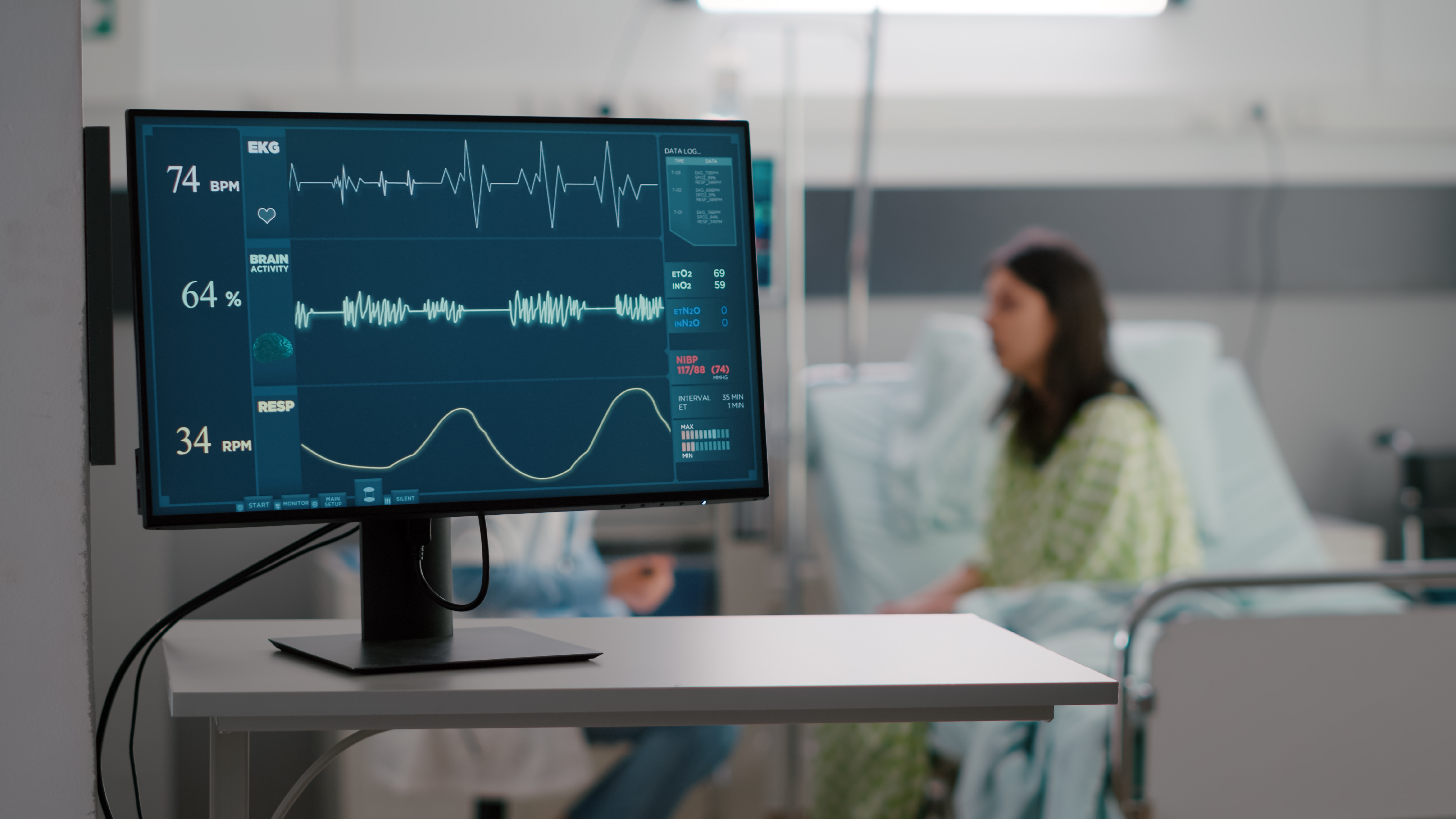
Computerized ECG in Padur
ECG Test at AVR Scan Centre
When a doctor recommends an ECG, you may want to understand what the test measures, why it has been advised, what the result can tell you and where to get a Computerized ECG in Padur.
An electrocardiogram, or ECG, records the electrical activity of the heart through electrodes placed on the skin. The recording creates a waveform that can provide information about the heart's rate, rhythm and electrical activity.
AVR Scan Centre provides Computerized ECG services in Padur for patients looking for cardiac diagnostic testing in and around Padur and the OMR region.
An ECG is an important part of many cardiac assessments, but it is not a complete examination of every aspect of heart health. Your doctor decides whether an ECG is appropriate based on your symptoms, medical history, examination and the clinical question that needs to be evaluated.
Quick Answer – What Does a Computerized ECG Show?
A Computerized ECG records the heart's electrical activity and can provide information about heart rate, rhythm and certain electrical abnormalities. It is a quick, non-invasive test, but an ECG alone cannot identify every heart condition.
Where Can You Get a Computerized ECG in Padur?
AVR Scan Centre provides Computerized ECG services at its Padur centre for patients looking for ECG testing in and around Padur.
AVR Scan Centre – Padur
Godrej Azure Elsa Plaza, #3, Ground Floor, Padur, Tamil Nadu – 603103.
The centre is relevant for patients searching for an ECG Test in Padur, ECG Centre in Padur, Computerized ECG in Padur or an ECG near OMR.
Before visiting, it is useful to confirm:
- The type of ECG recommended
- Appointment availability
- Any specific instructions for your test
- Whether previous ECG or cardiac reports should be brought
What Is a Computerized ECG?
A Computerized ECG is a digital electrocardiogram that records and processes the electrical signals produced by the heart for clinical review.
During the test, small electrodes are placed on selected areas of the chest and limbs. These electrodes detect the heart's electrical signals and transmit them to the ECG system, which produces a tracing for assessment.
The tracing can provide information about:
- Heart rate
- Heart rhythm
- Electrical timing
- Certain conduction patterns
- Other changes in the heart's electrical activity
The term “computerized” refers to the digital recording and processing of the ECG data. Computer-generated measurements can support the recording, but the clinical significance of an ECG should be determined by a qualified healthcare professional.
Why Might a Doctor Recommend an ECG?
A doctor may recommend an ECG when information about the heart's electrical activity can help investigate symptoms or support a broader cardiac assessment.
An ECG may be considered when a patient has:
- Palpitations or a feeling of an irregular heartbeat
- Chest discomfort
- Dizziness or fainting
- A fast or unusually slow heartbeat
- Certain symptoms involving breathing or exercise tolerance
- A known or suspected heart-related condition
- A need for cardiac assessment before certain procedures, when clinically indicated
An ECG may also be used when a doctor wants to compare the heart's electrical activity with previous recordings.
The decision to perform an ECG depends on the individual clinical situation. A person should not select a cardiac test simply because a particular symptom appears in an online search.
What Can an ECG Detect?
An ECG can help identify certain abnormalities involving heart rhythm and electrical conduction.
Depending on the tracing and the clinical situation, an ECG may provide information about:
- Heart rate
- Heart rhythm
- Certain arrhythmias
- Electrical conduction abnormalities
- Some patterns that may suggest changes affecting the heart
However, an ECG has limitations. It does not directly show the structure of the heart, and some heart problems may not appear during a short resting recording.
For example, an intermittent rhythm problem may not occur while the ECG is being recorded. In other situations, a doctor may need information about the heart's structure, exercise response or longer-term rhythm pattern.
Depending on the findings and symptoms, additional tests such as an echocardiogram, treadmill test, longer-term ECG monitoring or other cardiac investigations may be considered.
A normal ECG is useful information, but it does not by itself rule out every possible heart condition.
How Should You Prepare for a Computerized ECG?
A routine ECG usually needs very little preparation, and most people can follow their normal routine before the test. However, certain factors can affect the recording, so it is useful to follow any instructions given by your doctor or the testing centre.
Before your appointment:
- Wear comfortable clothing that allows easy access to the chest and limbs.
- Avoid applying heavy creams, oils or lotions to areas where the electrodes will be placed.
- Inform the healthcare professional about any current symptoms or relevant medical conditions.
- Continue your regular medicines unless your doctor has given you different instructions.
- Bring previous ECG or relevant cardiac reports if they may help with comparison.
Fasting is usually not required for a routine ECG. However, preparation can differ when an ECG is performed as part of another cardiac evaluation, so follow the specific instructions provided for your appointment.
What Happens During a Computerized ECG?
During a computerized ECG, you lie comfortably and remain still while small electrodes placed on your skin detect the electrical activity of your heart. The electrodes are connected to the ECG system, which records the signals and produces a digital heart tracing for clinical review.
The examination generally involves:
- You are asked to lie down and relax.
- The skin may be cleaned or prepared to help the electrodes make good contact.
- Small electrodes are placed at specific points on the chest and limbs.
- The ECG system records the heart's electrical signals for a short period.
- You may be asked to remain still and avoid talking during the recording.
- The completed tracing is generated for review.
Staying relaxed and still during the recording can help reduce interference and produce a clearer ECG tracing. The test itself is brief, and the healthcare professional will guide you through the process.
Is a Computerized ECG Painful?
A computerized ECG is non-invasive and is generally painless. The electrodes only detect electrical signals from the skin and do not send electricity into your body.
You may notice mild discomfort when the electrodes are attached or removed, particularly if your skin is sensitive or if adhesive electrodes are used.
If you experience discomfort during the test, tell the healthcare professional so the electrodes or your position can be adjusted where appropriate.
Can You Take Your Regular Medicines Before an ECG?
Do not stop, skip or change prescribed medicines simply because you are having an ECG.
Some medicines can influence heart rate or rhythm, so it is important to tell the healthcare professional what you currently take.
This may include:
- Prescription medicines
- Heart medicines
- Blood-pressure medicines
- Supplements
- Other regular medications
Whether any medicine needs special instructions depends on the reason for the ECG and your individual medical situation. Follow your doctor's instructions rather than changing medication on your own.
Is a Computerized ECG Safe?
A routine ECG is a non-invasive and generally safe test that does not use ionizing radiation.
The electrodes record the heart's natural electrical activity through the skin. There is no injection, cutting or radiation involved in a standard ECG recording.
Because the test is external and brief, it can be used when a healthcare professional needs information about the heart's electrical activity without exposing the patient to radiation.
How Long Does a Computerized ECG Take?
The actual ECG recording is usually brief, although the complete visit may take a little longer because of preparation, electrode placement and completion of the tracing.
The total time can vary depending on:
- Time needed to prepare the skin
- Electrode placement
- Whether another recording is needed
- Whether the ECG is part of a wider cardiac assessment
- Any instructions from the healthcare professional
If you are planning the ECG around work, travel or another appointment, contact AVR Scan Centre to confirm the expected visit time.
Can an ECG Help Explain Chest Pain or an Irregular Heartbeat?
An ECG can provide important information about the heart's electrical activity when a person has chest discomfort, palpitations or an unusual heartbeat, but it does not identify every possible cause of these symptoms.
When a doctor evaluates chest pain or palpitations, an ECG may be considered along with the patient's symptoms, medical history and physical examination. The timing of the symptoms can also matter.
An ECG may provide information about:
- Heart rate that is unusually fast or slow
- Irregular heart rhythm
- Certain arrhythmias
- Electrical conduction abnormalities
- Some electrical patterns that may require further evaluation
However, a normal ECG does not automatically rule out every heart-related cause of chest pain or palpitations.
Depending on the clinical situation, your doctor may recommend additional tests such as longer-term ECG monitoring, an echocardiogram, treadmill testing, blood tests or other investigations.
If chest pain is new, severe, persistent or worsening, seek prompt medical evaluation rather than relying on an ECG result alone.
ECG, Echocardiogram and Treadmill Test – What Is the Difference?
ECG, echocardiogram and treadmill testing assess different aspects of heart function, so the right test depends on what your doctor needs to evaluate.
A Computerized ECG records the heart's electrical activity and is mainly useful for assessing heart rate, rhythm and electrical conduction.
An echocardiogram uses ultrasound to create images of the heart. It can provide information about the heart's structures, movement and selected aspects of its pumping function.
A treadmill test records the heart's electrical response while you exercise. It can provide information about how the heart responds to increasing physical demand.
| Test | Main Information |
|---|---|
| ECG | Heart electrical activity, rate and rhythm |
| Echocardiogram | Heart structure, movement and selected function |
| Treadmill Test | Heart response to physical exercise |
These tests are not interchangeable. A doctor may recommend one test or more than one depending on your symptoms, examination findings, medical history and the question that needs to be answered.
Can a Normal ECG Rule Out Heart Disease?
No. A normal ECG does not rule out every type of heart disease.
An ECG provides information about electrical activity during the period in which it is recorded. Some heart problems may be intermittent, may become more apparent during exercise or may involve the structure of the heart rather than its electrical activity.
For example, a person may have continuing symptoms even though a short resting ECG appears normal. In such situations, a doctor may consider whether longer ECG monitoring, echocardiography, exercise testing or another investigation would provide additional information.
This is why an ECG report should always be interpreted together with the patient's symptoms, medical history and other clinical findings.
How Much Does a Computerized ECG Cost in Padur?
The cost of a Computerized ECG in Padur depends on the centre and the services included with the examination.
Before booking, confirm:
- The current ECG charge
- Whether the appointment includes only the ECG recording
- Whether any additional cardiac assessment is included
- Any additional requirements
For AVR Scan Centre, patients can contact the Padur centre directly for the current Computerized ECG price and appointment information, rather than relying on an outdated price shown elsewhere online.
What Should You Check Before Booking an ECG in Padur?
Before arranging your ECG, confirm the type of examination recommended, appointment availability and any instructions that apply to your visit.
It is useful to have your prescription or referral available, especially when the ECG is being performed as part of a wider cardiac assessment. Previous ECGs or relevant cardiac reports may also help your doctor compare current findings with earlier results.
Before booking, check:
- The ECG recommended by your doctor
- Appointment availability
- Any specific preparation instructions
- Whether previous cardiac reports should be brought
- Current medication information, where relevant
- Current test cost
Choosing the appropriate cardiac test should be based on your clinical need rather than selecting an ECG solely from an online symptom search.
What Happens After a Computerized ECG?
After the ECG recording is completed, the tracing is reviewed as part of the clinical assessment. A computerized ECG system may calculate measurements and generate an initial interpretation, but the significance of the result depends on the patient's symptoms, medical history and other findings.
A doctor may consider the ECG together with:
- Current symptoms
- Previous ECG recordings
- Medical history
- Physical examination
- Other cardiac investigations
- Relevant laboratory or imaging results
Previous ECG reports can be useful when the doctor wants to compare the current tracing with an earlier one and identify changes over time.
Depending on the findings, some patients may not need further cardiac testing, while others may be advised to undergo additional evaluation.
What Does a Computerized ECG Report Tell You?
A computerized ECG report may contain measurements and an interpretation of the heart's electrical activity recorded during the examination.
Depending on the ECG system and recording, the report may include:
- Heart rate
- Rhythm information
- Electrical intervals
- Other measured ECG values
- An automated interpretation or impression
The computer-generated interpretation can be useful as part of the report, but it should not be treated as a final diagnosis without appropriate clinical review.
For example, a computer may flag an unusual rhythm or measurement that requires professional interpretation. Likewise, a report that appears normal does not by itself rule out every possible heart problem.
The most useful way to understand an ECG report is to review it with the doctor who knows your symptoms and medical history.
Can Previous ECG Reports Help Your Doctor?
Yes. Previous ECG reports or recordings can be useful when a doctor wants to compare your current heart rhythm and electrical patterns with earlier results.
Comparison may help identify whether certain findings:
- Are new
- Were present previously
- Have changed over time
- Remain stable
This can be especially useful when a person is being monitored for an ongoing cardiac concern.
Bring previous ECG reports or relevant cardiac records to your appointment when available.
Why Choose AVR Scan Centre for a Computerized ECG in Padur?
When selecting an ECG Centre in Padur, patients may consider the centre's location, availability of the required cardiac test and the ease of arranging the appointment.
AVR Scan Centre provides Computerized ECG services in Padur for patients looking for cardiac diagnostic testing in and around Padur and the OMR region.
The Padur centre also provides other diagnostic services that may be relevant when your doctor recommends additional cardiac or general investigations.
Only verified AVR-specific information should be added for claims involving:
- Cardiologist or technician qualifications
- Accreditation
- Reporting timelines
- Special equipment features
- Home services
- Special facilities
- Package benefits
- Pricing
Computerized ECG in Padur – Questions People Often Ask
Yes. Previous ECG reports can provide useful information when a doctor is comparing current and earlier findings.
An ECG may be performed in children when medically indicated. The decision depends on the child's symptoms and the cardiac information required.
An ECG can be performed during pregnancy when clinically indicated. Tell your healthcare professional about the pregnancy so the test can be considered in the appropriate clinical context.
Yes. A doctor may recommend another ECG when repeat recording or comparison is clinically useful.
An ECG can provide information about electrical activity, but it does not directly show blocked coronary arteries. Other investigations may be needed when coronary artery disease is suspected.
The appropriate cardiac test depends on your symptoms and the clinical question. It is better to confirm the recommended examination with your doctor or the centre rather than choosing a test only from an online search.
Bring your prescription or referral where applicable, previous ECG or cardiac reports and relevant medication information.
Get Your Computerized ECG at AVR Scan Centre, Padur
A Computerized ECG can provide useful information about the heart's electrical activity, especially when it is interpreted together with your symptoms and medical history.
AVR Scan Centre provides Computerized ECG services in Padur for patients looking for cardiac diagnostic testing in and around Padur and the OMR region.
Before visiting, confirm:
- The ECG recommended by your doctor
- Appointment availability
- Any specific instructions for the test
- Current pricing
- Information you should bring
Need a Computerized ECG in Padur?
Contact AVR Scan Centre – Padur to enquire about the Computerized ECG recommended by your doctor and confirm the requirements for your appointment.
Contact AVR Scan Centre – Padur to enquire about the Computerized ECG, appointment requirements and availability.
AVR Scan Centre – Padur
Godrej Azure Elsa Plaza, #3, Ground Floor,
Padur, Tamil Nadu – 603103.
