
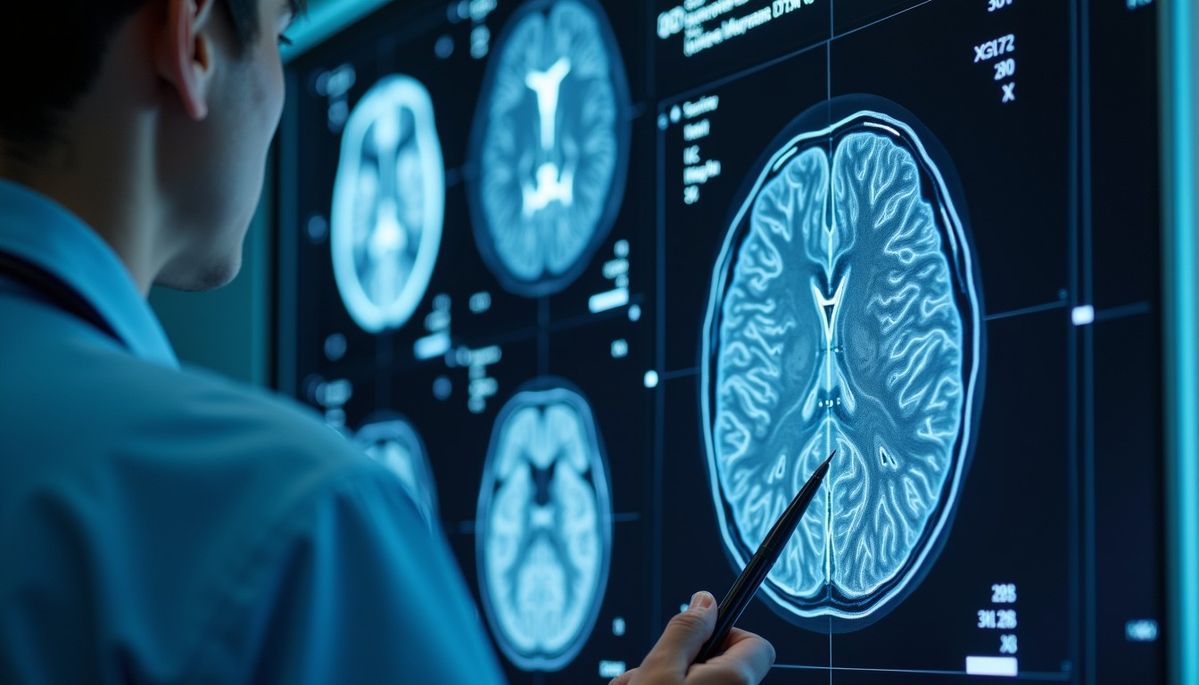
MultiSlice 3D Spiral CT Scan in Padur
CT Imaging at AVR Scan Centre
If your doctor has recommended a CT scan, you may be looking for a MultiSlice 3D Spiral CT Scan in Padur and want to understand what this technology means, which type of CT you may need, whether contrast is required and how to prepare.
Computed Tomography (CT) uses X-rays and computer processing to create cross-sectional images of the body. MultiSlice CT can acquire multiple sections of imaging information during a scan, while CT data can also be reconstructed into different views and, when appropriate, three-dimensional images.
AVR Scan Centre provides MultiSlice 3D Spiral CT Scan services in Padur for patients seeking diagnostic imaging in and around the Padur and OMR region.
The appropriate CT examination depends on the body part being evaluated, your symptoms, medical history and the clinical question your doctor needs to answer.
What Is a MultiSlice 3D Spiral CT Scan?
A MultiSlice 3D Spiral CT scan is a CT examination that acquires multiple sections of imaging data while the scanner moves around the patient, allowing detailed cross-sectional images to be created.
The data may also be reconstructed into different planes or three-dimensional views when appropriate for the examination.
Where Can You Get a MultiSlice CT Scan in Padur?
AVR Scan Centre provides MultiSlice 3D Spiral CT Scan services at its Padur centre for patients looking for CT imaging in and around Padur.
AVR Scan Centre – Padur
Godrej Azure Elsa Plaza, #3, Ground Floor, Padur, Tamil Nadu – 603103.
The Padur location is relevant for patients searching for a CT Scan in Padur or CT Scan near OMR.
Before visiting, confirm:
- The exact CT examination prescribed
- Availability of the required examination
- Whether preparation is required
- Whether contrast is planned
- Any relevant medical information you need to provide
- Appointment requirements
What Does MultiSlice CT Mean?
MultiSlice CT refers to a CT system that uses multiple detector rows to acquire several sections of imaging data during scanning.
Traditional explanations of CT often focus on producing one cross-sectional image at a time. MultiSlice systems can collect multiple sections during image acquisition, supporting detailed imaging of different parts of the body.
The collected information can be processed into:
- Cross-sectional images
- Multiplanar views
- Three-dimensional reconstructions, where appropriate
The exact imaging approach depends on the body part, clinical indication and protocol used.
MultiSlice does not mean that every patient receives the same type of scan. The imaging protocol is selected according to the diagnostic requirement.
What Does 3D Reconstruction Mean in CT?
3D reconstruction uses CT imaging data to create a three-dimensional representation of selected anatomical structures.
Instead of viewing only individual cross-sectional images, CT data can be reconstructed to provide additional perspectives.
Depending on the examination, 3D reconstruction may be useful for visualising selected:
- Bones
- Facial structures
- Spine structures
- Joints
- Other anatomical regions
Three-dimensional reconstruction is not automatically required for every CT examination. It is used when it provides useful information for the clinical question being investigated.
Why Might a Doctor Recommend a CT Scan?
A doctor may recommend CT when detailed cross-sectional imaging can provide useful information about a particular body part, injury or suspected condition.
CT may be considered in situations involving:
- Head or brain-related concerns
- Chest or lung evaluation
- Abdominal symptoms
- Urinary tract assessment
- Bone or joint problems
- Spine-related conditions
- Trauma or injury
- Other clinical situations where cross-sectional imaging is useful
The decision may depend on:
- Symptoms
- Medical history
- Physical examination
- Previous investigations
- Suspected condition
- Urgency
- Information needed for further care
CT should be selected according to the clinical question, not simply because it is a more detailed scan.
Which CT Examinations Can You Get in Padur?
The exact examination should be based on your doctor's recommendation and the body area requiring assessment.
Brain and Head CT
CT can provide detailed cross-sectional images of the head and brain region and may be recommended for selected neurological, head injury or other clinical concerns.
Chest and Lung CT
Chest CT can provide cross-sectional images of the lungs and structures within the chest when more detailed imaging is clinically required.
Abdomen and KUB CT
CT can be used to examine abdominal structures.
KUB refers to the kidneys, ureters and urinary bladder. A KUB CT may be recommended when detailed imaging of these areas is clinically required.
Spine and Joint CT
CT can provide detailed images of bony structures of the spine and selected joints and may be considered for certain injuries or conditions.
Other Region-Specific CT Examinations
Other CT examinations may be performed depending on the clinical requirement and the service available at the centre.
Do not choose a specific CT examination solely from an online search. The body part and CT protocol should match your doctor's recommendation.
How Should You Prepare for a CT Scan?
Preparation depends on the type of CT examination and whether contrast is required. Some CT scans need little preparation, while others may involve fasting or additional instructions.
Before your appointment, confirm:
- Whether fasting is required
- Whether you can drink water
- Whether contrast will be used
- Whether you should follow any food or medication instructions
- Whether you need to bring previous reports
- Whether any blood test or other information is required before contrast
Do not apply the same preparation rules to every CT scan. Follow the instructions provided for your specific examination.
Does Every CT Scan Require Contrast?
No. Some CT examinations are performed without contrast, while others may require contrast to provide additional information.
Contrast may be considered when the doctor needs clearer visualisation of particular structures, tissues or blood vessels.
Whether contrast is needed depends on:
- Body part being examined
- Clinical question
- Suspected condition
- CT protocol
- Medical history
The decision to use contrast should be based on the clinical requirement rather than the patient choosing it independently.
What Should You Tell the CT Team Before a Contrast Scan?
Tell the healthcare team about medical conditions and previous reactions that may be relevant before a contrast-enhanced CT.
Important information may include:
- Previous reaction to a contrast agent
- Kidney problems
- Pregnancy or possible pregnancy
- Current medications
- Relevant medical conditions
- Previous imaging or test results
If the centre asks for specific medical information or test results before contrast administration, provide them before the examination.
Does a MultiSlice CT Scan Use Radiation?
Yes. CT uses X-rays, which are a form of ionizing radiation.
The amount of radiation involved varies depending on factors such as:
- Body region examined
- CT protocol
- Scan settings
- Number of image acquisitions
A medically appropriate CT examination is performed when the expected diagnostic information is considered useful for the patient's care.
This is different from MRI, which uses magnetic fields and radio waves rather than ionizing radiation.
Is a MultiSlice CT Scan Safe?
CT is a widely used diagnostic imaging method, but radiation exposure is one factor considered when deciding whether an examination is appropriate.
Before your scan, inform the healthcare team if you:
- Are pregnant or may be pregnant
- Have kidney problems
- Have had a previous contrast reaction
- Take regular medicines
- Have other relevant medical conditions
The imaging team can determine the appropriate preparation and precautions for your specific examination.
Can You Have a CT Scan During Pregnancy?
Tell your doctor and imaging team if you are pregnant or may be pregnant before undergoing a CT scan.
Because CT uses X-rays, the decision to perform the examination depends on the clinical need and the circumstances of the patient.
Do not delay a medically necessary examination based only on general information. Discuss the situation with your doctor and imaging team.
What Happens During a MultiSlice CT Scan?
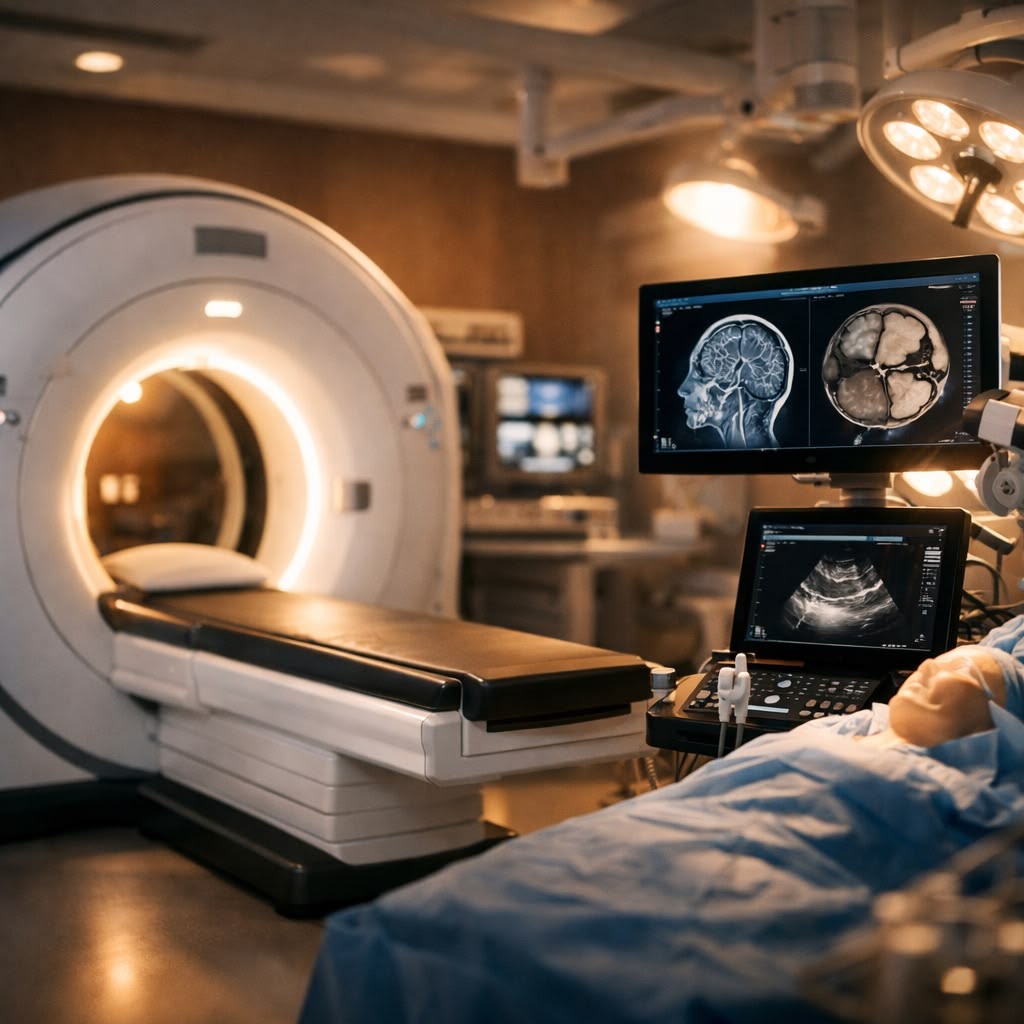
During a CT examination, you are positioned on the scanner table while the imaging system collects information as it rotates around the body.
The process generally involves:
- Confirming the prescribed examination and relevant safety information.
- Preparing you according to the scan requirements.
- Positioning you on the CT table.
- Moving the table through the scanner.
- Acquiring the required images.
- Processing the collected data into diagnostic images.
For some examinations, you may be asked to:
- Remain still
- Hold your breath briefly
- Follow specific breathing instructions
If contrast is required, it is administered according to the examination protocol.
Is a CT Scan Painful?
A CT scan is generally a non-invasive imaging examination and is not usually painful.
You may need to remain still or maintain a particular position during image acquisition.
If contrast is administered, you may notice temporary sensations depending on the contrast agent and method of administration.
Tell the healthcare team if you experience significant discomfort or feel unwell during the examination.
When Is CT More Useful Than MRI or X-Ray?
CT, MRI and X-ray are different imaging examinations, and the appropriate choice depends on the body part, symptoms and clinical question.
CT uses X-rays to create cross-sectional images and can provide detailed views of many anatomical structures.
MRI uses magnetic fields and radio waves and is particularly useful for many soft-tissue assessments.
X-ray produces projection images and is commonly used for selected bone and chest examinations.
Is CT Better Than MRI or X-Ray?
No. One imaging method is not universally better than another.
Your doctor chooses the appropriate examination based on:
- The body area being examined
- Symptoms
- Suspected condition
- Previous findings
- Urgency
- The type of information required
How Long Does a MultiSlice CT Scan Take?
The time required for a CT scan depends on the body part, examination protocol and whether contrast or additional image sequences are needed.
Factors that may affect the overall appointment include:
- Patient preparation
- Positioning
- Contrast administration
- Number of image acquisitions
- Additional views or reconstructions
Ask the centre for the expected duration of your specific CT examination when booking.
What Are Common Concerns Before a CT Scan?
Patients commonly want to know whether the scan will hurt, whether contrast will be used, how much radiation is involved and what preparation is required.
Does CT Scanning Hurt?
CT imaging is generally non-invasive and is not usually painful. You may need to remain still or maintain a specific position during image acquisition.
What Does CT Contrast Feel Like?
If contrast is administered, some patients may experience temporary sensations. Follow the instructions given by the imaging team and report any unexpected or significant reaction.
What If I Am Worried About Radiation?
CT uses X-rays, so radiation exposure is involved. The need for CT should be considered in relation to the diagnostic information the examination is expected to provide.
What If I Have Kidney Problems?
Inform the healthcare team if you have kidney problems, particularly when contrast is being considered. The appropriate precautions depend on your individual medical situation.
How Much Does a CT Scan Cost in Padur?
The cost of a CT scan in Padur can vary depending on the body part, type of examination, imaging protocol and whether contrast or additional services are involved.
Before booking, confirm:
- Exact CT examination
- Whether contrast is included
- Current scan charges
- Any additional investigation requirements
For the current price of your required CT examination, contact AVR Scan Centre rather than relying on an outdated online price.
What Should You Check Before Booking a CT Scan in Padur?
Before confirming your appointment, check:
- Exact CT examination prescribed
- Body part being examined
- Plain or contrast CT
- Fasting or preparation requirements
- Previous contrast reactions
- Kidney-related medical information, if relevant
- Pregnancy or possible pregnancy
- Previous scan reports
- Appointment availability
- Current pricing
If you are unsure which CT examination has been prescribed, use your doctor's referral rather than selecting a scan based on a search result.
Which CT Scan Is Right for Your Symptoms?
The appropriate CT examination depends on the body part being assessed and the clinical question your doctor needs to answer. Different CT protocols are designed for different diagnostic purposes, so the name of the scan matters.
For example:
- Head or Brain CT – may be recommended for selected head, neurological or emergency-related concerns.
- Chest CT – provides detailed imaging of structures within the chest and lungs.
- Abdominal CT – may be used to evaluate selected abdominal conditions.
- KUB CT – focuses on the kidneys, ureters and urinary bladder when clinically indicated.
- Spine CT – provides detailed imaging of the bony structures of the spine.
- Joint CT – may be useful when detailed assessment of bone and selected joint structures is required.
What Happens After a CT Scan?
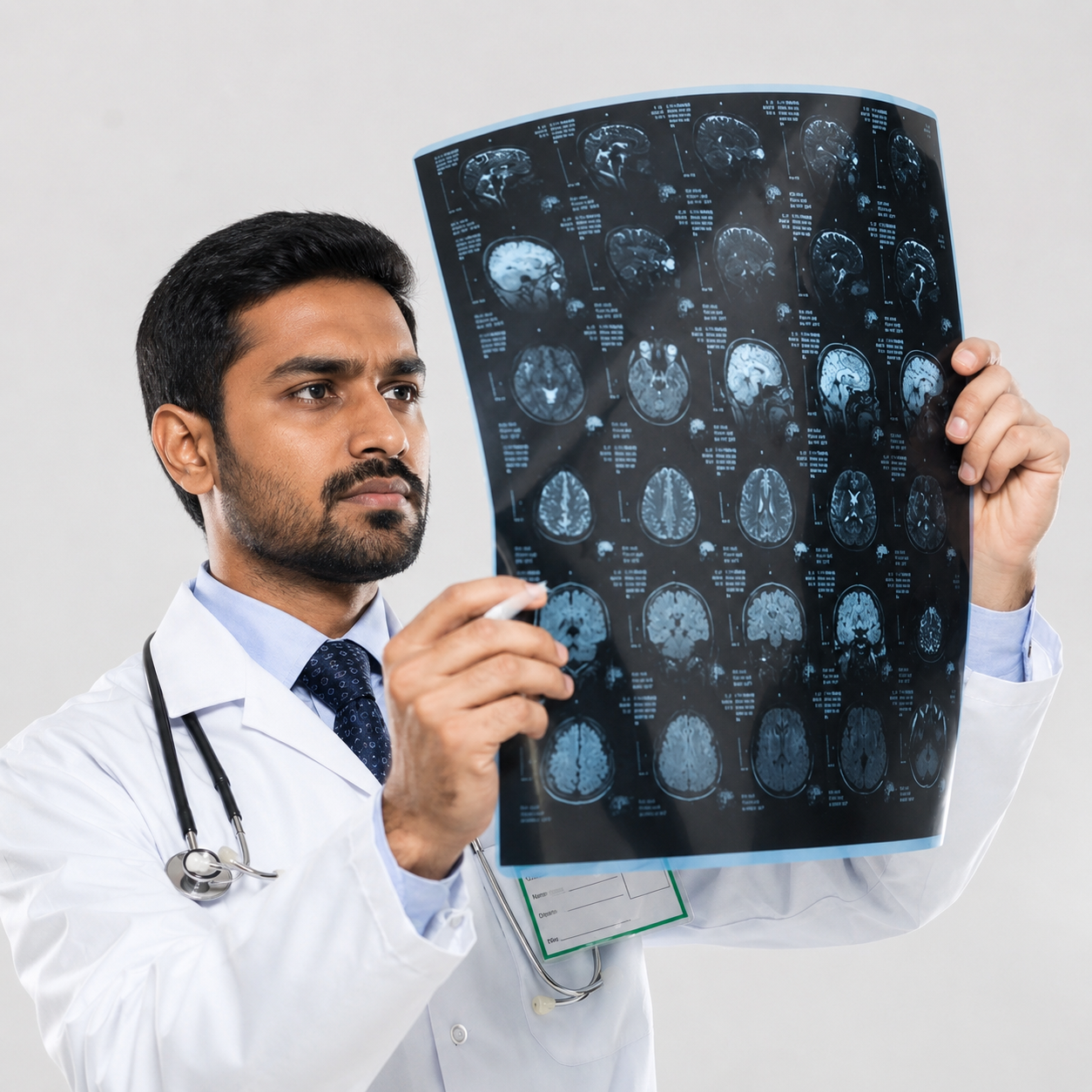
After the CT examination, the acquired images are processed for interpretation and reporting.
The findings may then be considered together with:
- Your symptoms
- Medical history
- Physical examination
- Previous imaging
- Other relevant investigations
If the CT identifies a finding that needs further evaluation, your doctor can explain its significance and decide whether additional tests or follow-up are appropriate.
A CT image or report should not be interpreted on its own without considering the clinical context.
What Information Should You Keep After Your CT Scan?
Keeping your imaging records can be useful, particularly when your doctor needs to compare findings over time.
Where available, retain:
- CT report
- Previous related scan reports
- Referral or prescription
- Relevant medical records
Previous imaging can help healthcare professionals compare current findings with earlier examinations when clinically appropriate.
Why Choose AVR Scan Centre for a MultiSlice 3D Spiral CT Scan in Padur?
When choosing a CT Scan Centre in Padur, patients may consider the location, availability of the required CT examination and the process for preparing for the scan.
AVR Scan Centre provides MultiSlice 3D Spiral CT Scan services in Padur for patients seeking diagnostic imaging in and around the Padur and OMR region.
The centre also provides other diagnostic services, allowing patients to enquire about related investigations when recommended by their doctor.
Only verified AVR-specific information should be added regarding:
- Radiologist qualifications
- Accreditation
- Reporting timelines
- Home services
- Equipment specifications beyond the stated service
- Special facilities
- Pricing or package benefits
