
EEG in Padur
Electroencephalogram Test at AVR Scan Centre
If your doctor has recommended an EEG in Padur, you may want to understand what the test is used for, how it works and what information it can provide about brain activity.
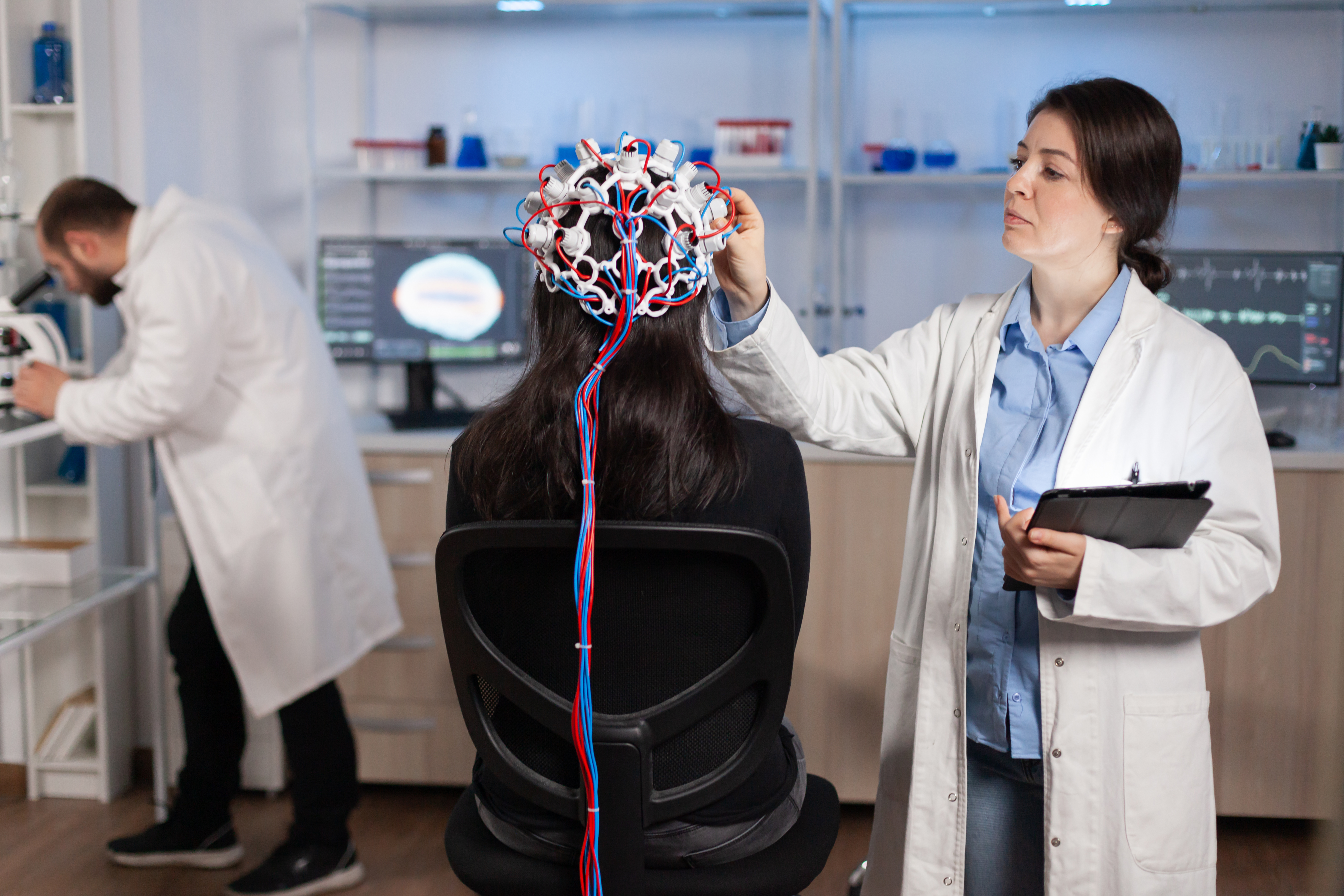
An Electroencephalogram (EEG) is a diagnostic test that records the electrical activity produced by the brain. Small sensors called electrodes are placed on the scalp to detect and record brain wave patterns. These recordings can provide useful information when doctors are evaluating certain neurological symptoms or conditions.
Unlike CT scans or MRI scans, which create images of brain structures, an EEG focuses on how the brain is functioning electrically at the time of the recording. This makes it a different type of neurological investigation with a different clinical purpose.
AVR Scan Centre provides EEG testing in Padur for patients seeking neurological diagnostic services in and around Padur and the OMR region.
The significance of an EEG result depends on the patient's symptoms, medical history and the reason the test was requested. The recording is one part of the overall neurological assessment and is interpreted together with clinical findings.
Quick Answer – What Is an EEG?
An EEG (Electroencephalogram) is a test that records the brain's electrical activity using electrodes placed on the scalp. The recording captures brain wave patterns that can help healthcare professionals assess how the brain is functioning.
The test does not create images of the brain and does not involve surgery or injections as part of a routine EEG examination. Instead, it records naturally occurring electrical signals generated by brain cells.
Because brain activity changes continuously, the EEG provides information about electrical patterns during the recording period and may help support the evaluation of certain neurological symptoms when interpreted by a qualified healthcare professional.
Where Can You Get an EEG in Padur?
AVR Scan Centre provides EEG testing in Padur for patients looking for brain wave recording and neurological diagnostic services in the Padur and OMR region.
AVR Scan Centre – Padur
Godrej Azure Elsa Plaza, #3, Ground Floor, Padur, Tamil Nadu – 603103.
The service may be relevant for people searching for:
- EEG in Padur
- Electroencephalogram Test in Padur
- Brain Wave Test in Padur
- EEG Centre in Padur
- EEG Test near OMR
- Neurological Diagnostic Test in Padur
Before scheduling the examination, it is useful to confirm the appointment availability, test instructions and any preparation requirements specific to your EEG study.
If you have undergone previous EEGs, neurological investigations or specialist consultations, ask whether those records should be brought to the appointment.
Why Might a Doctor Recommend an EEG?
A doctor may recommend an EEG when information about brain electrical activity could help evaluate neurological symptoms or support a clinical assessment.
Because the test records the brain's electrical signals, it may be considered when a healthcare professional wants to investigate symptoms that could be related to changes in brain activity.
Depending on the clinical situation, an EEG may be requested for patients experiencing:
- Episodes of loss of consciousness
- Suspected seizure-related events
- Unexplained staring spells
- Altered awareness episodes
- Certain sleep-related neurological concerns
- Symptoms that require further neurological evaluation
The purpose of the test varies from one patient to another. In some situations, the EEG may be part of a broader neurological assessment that includes a clinical examination, imaging studies or other investigations.
The decision to perform an EEG is based on the patient's symptoms and medical history rather than on a single symptom viewed in isolation.
What Information Does an EEG Record?
An EEG records electrical signals generated by the brain and converts them into wave patterns that can be analysed by trained professionals.
The brain constantly produces electrical activity as nerve cells communicate with one another. The EEG records these signals and displays them as patterns that can be reviewed after the test.
The recording may include information about:
Brain Wave Activity
Different types of brain waves can be observed during wakefulness, relaxation and other physiological states. The EEG records these patterns throughout the examination.
Changes During Specific Test Conditions
During some EEG studies, patients may be asked to perform certain activities or respond to instructions so that brain activity can be observed under different conditions.
Electrical Patterns Over Time
Unlike a single image, an EEG records activity continuously during the examination. This allows specialists to evaluate how electrical patterns change throughout the recording period.
Activity Related to Reported Symptoms
When clinically relevant, the recorded brain activity may be reviewed in relation to the symptoms that led to the EEG referral.
The value of an EEG lies not only in recording brain waves but also in analysing the pattern, timing and characteristics of the electrical activity within the broader clinical context.
How Should You Prepare for an EEG?
Preparing for an EEG is usually straightforward, but following the instructions provided for your specific test is important because preparation requirements can vary. The goal is to obtain a clear recording of brain activity during the examination.
One of the most common recommendations is to wash your hair before the appointment and avoid applying hair oils, gels, sprays or styling products afterward. Clean hair helps the electrodes maintain good contact with the scalp and can improve the quality of the recording.
Depending on the reason for the EEG, you may also receive instructions regarding:
- Sleep before the examination
- Regular medications
- Food and drink intake
- Arrival time
- Previous neurological reports or investigations
If you take prescription medicines, do not stop them on your own unless the doctor who requested the EEG specifically advises you to do so.
It is also useful to inform the healthcare team about:
- Previous neurological conditions
- History of seizures or similar episodes
- Recent illnesses
- Medications currently being taken
Because EEG studies can vary, always follow the instructions given for your particular appointment rather than relying on general preparation advice alone.
What Happens During an EEG Test?
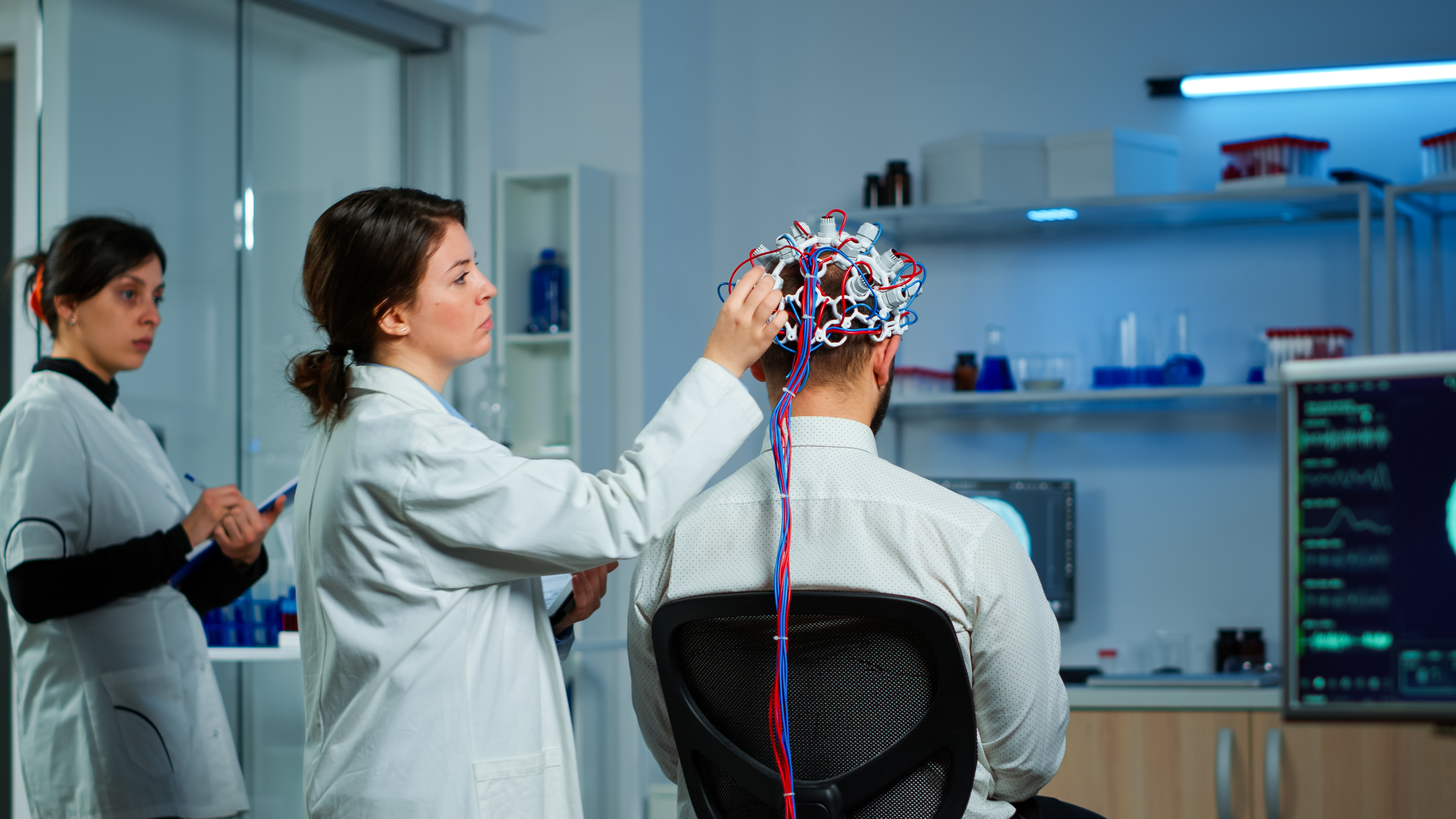
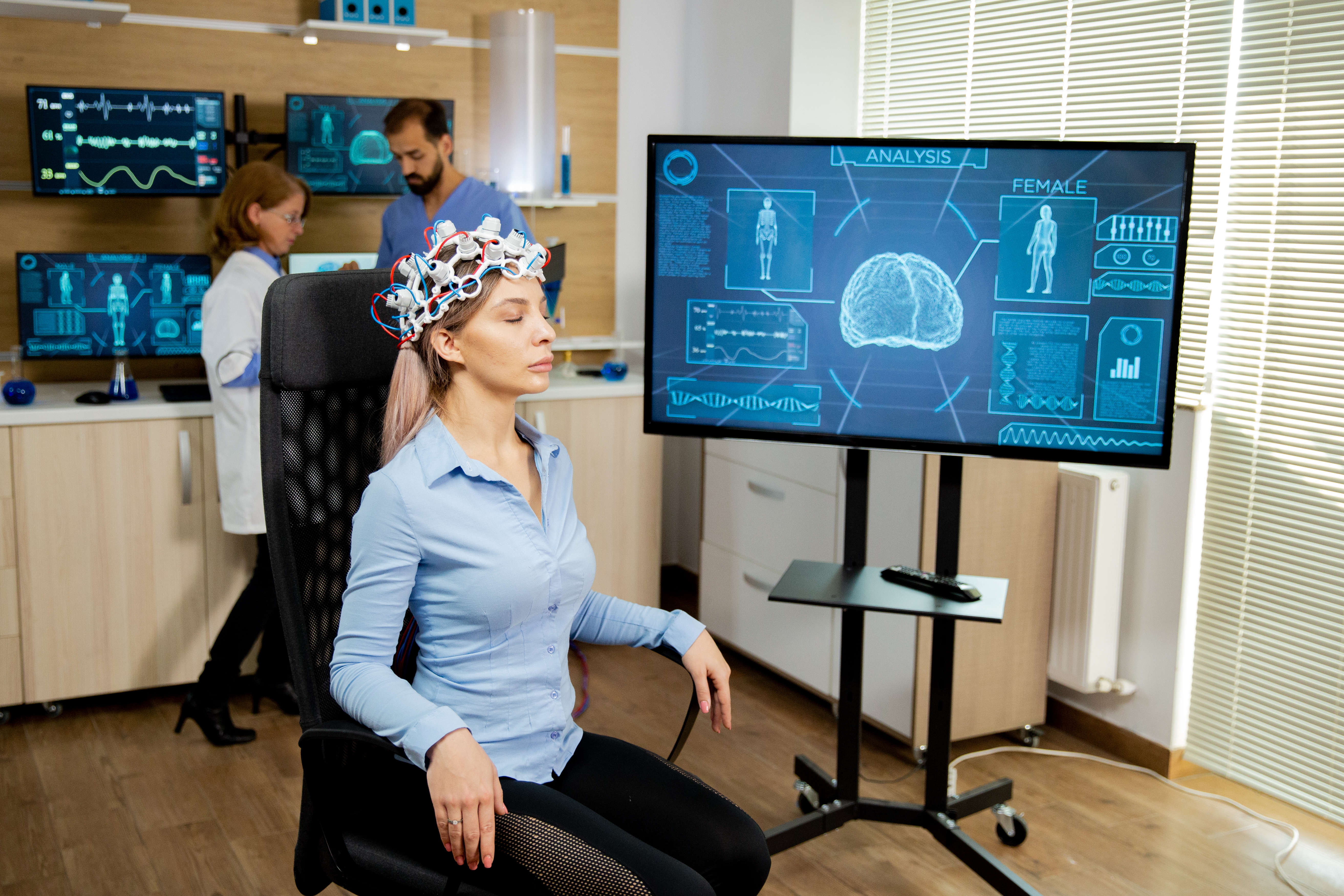
During an EEG, small electrodes are placed on the scalp to record the brain's natural electrical activity. The procedure is designed to collect information without causing discomfort or altering the brain's function.
The examination usually begins with the placement of electrodes at specific locations on the scalp. These electrodes are connected to equipment that records electrical signals generated by the brain.
Once the recording starts, you may be asked to:
- Relax quietly
- Keep your eyes open or closed at certain times
- Follow simple instructions
- Remain as still as possible during parts of the recording
Depending on the type of EEG being performed, additional activities may be included. These can involve observing brain activity under different conditions so that specialists can evaluate the recording more completely.
The exact duration varies according to the type of study and the information required. Throughout the test, the focus remains on obtaining a reliable recording of brain wave activity while keeping the patient comfortable.
The electrodes only record signals from the brain—they do not send electricity into the body.
Is an EEG Painful?
An EEG is generally considered a non-invasive test and is not usually painful. The procedure involves placing electrodes on the scalp so that brain activity can be recorded.
Most patients describe the experience as similar to having sensors attached to the skin rather than undergoing a medical procedure that causes discomfort.
You may notice:
- The sensation of electrodes being attached
- Mild awareness of the equipment on the scalp
- The need to remain still during parts of the recording
However, the recording itself does not normally cause pain because the electrodes are used only to detect electrical activity already produced by the brain.
For children and adults alike, the main challenge is often remaining relaxed and still long enough to obtain a clear recording rather than dealing with physical discomfort.
If you feel uncomfortable at any point during the examination, you can inform the healthcare professional conducting the test.
Is EEG Safe for Adults and Children?
EEG is widely used in both adults and children because it records brain activity without requiring surgery or exposing the patient to ionizing radiation.
The test is designed to observe naturally occurring electrical signals produced by the brain. Since the electrodes function as recording sensors, they do not deliver electrical current into the body during a routine EEG examination.
EEG studies may be requested for patients of different age groups when brain wave recording is considered clinically useful. The exact approach can vary depending on the patient's age, symptoms and the purpose of the test.
During the examination, trained healthcare professionals provide instructions and monitor the procedure to help ensure that the recording is completed appropriately.
If you have concerns about a medical condition, medication, recent illness or any aspect of the examination, discuss them before the test begins so that the healthcare team can provide guidance relevant to your situation.
Understanding the purpose of the EEG and following the test instructions carefully can help make the examination smoother and more effective.
What Can an EEG Show?
An EEG can provide information about patterns of electrical activity in the brain during the recording period. The test helps specialists analyse how brain signals appear under the conditions in which the EEG was performed.
When reviewing the recording, specialists look for patterns that may help explain certain neurological symptoms or contribute to the overall clinical assessment. The interpretation involves examining the timing, distribution and characteristics of the recorded brain waves rather than focusing on a single signal or measurement.
An EEG may provide useful information about:
- Brain wave patterns
- Electrical activity during wakefulness or other recorded states
- Certain abnormal electrical findings when present
- Changes observed during specific parts of the recording
- Neurological assessment when interpreted with clinical information
However, EEG findings must always be considered alongside:
- Medical history
- Reported symptoms
- Physical and neurological examination
- Previous investigations when available
The value of an EEG comes from combining the recording with the patient's overall clinical picture rather than relying on the test result alone.
Can an EEG Diagnose Epilepsy?
An EEG can provide important information when epilepsy is being evaluated, but the diagnosis of epilepsy is not based on the EEG result alone.
One of the reasons EEG is commonly requested is to assess brain electrical activity when a person has experienced suspected seizure-related episodes or other events that may require neurological investigation.
In some situations, the EEG may show patterns that support a diagnosis of epilepsy. In other cases, the recording may not show such findings even when seizure-related symptoms have occurred.
This is because brain electrical abnormalities are not necessarily present throughout the entire recording period. As a result:
- An abnormal EEG does not automatically confirm epilepsy by itself.
- A normal EEG does not automatically rule out epilepsy.
- Clinical history remains an important part of diagnosis.
- Additional evaluation may sometimes be required.
Doctors consider the EEG together with symptom descriptions, witness accounts, examination findings and other relevant investigations before making diagnostic decisions.
EEG is therefore an important tool in epilepsy assessment, but it is one component of a broader neurological evaluation.
What Is the Difference Between EEG, CT and MRI?
EEG, CT and MRI are different tests that provide different types of information about the brain. They are not interchangeable and may be used together when clinically appropriate.
| EEG | CT Scan | MRI |
|---|---|---|
| Records brain electrical activity | Produces images using X-rays | Produces detailed images using magnetic fields and radio waves |
| Evaluates brain wave patterns | Examines brain structures | Examines brain structures in greater detail |
| Focuses on brain function during recording | Focuses on anatomy | Focuses on anatomy and tissue detail |
| Does not create brain images | Creates cross-sectional images | Creates highly detailed soft-tissue images |
A simple way to understand the difference is that EEG looks at how the brain is functioning electrically, while CT and MRI primarily look at the brain's structure.
Depending on the clinical question, a doctor may recommend one of these tests or a combination of them.
The choice depends on the symptoms being investigated and the type of information needed.
Can an EEG Be Normal Even If Symptoms Occur?
Yes. An EEG can sometimes appear normal even when a person has experienced symptoms that prompted neurological evaluation.
An EEG records brain activity during the time the examination is performed. If an abnormal electrical pattern is not present during the recording period, the EEG may not capture it.
Several factors can influence what appears on the EEG, including:
- The nature of the symptoms
- The timing of the recording
- How frequently episodes occur
- The type of neurological condition being investigated
This is one reason why doctors do not rely solely on the EEG result when assessing neurological symptoms.
A normal EEG does not necessarily explain the cause of symptoms, and an abnormal EEG does not automatically identify a specific diagnosis without clinical correlation.
The interpretation of the result depends on both the recording and the patient's overall neurological assessment.
How Much Does an EEG Cost in Padur?
The cost of an EEG in Padur can vary depending on the diagnostic centre and the type of EEG study being performed.
Because different EEG examinations may involve different recording durations or protocols, the exact cost should be confirmed before booking.
Before scheduling the test, it may be helpful to ask about:
- Current EEG charges
- Appointment availability
- Type of EEG being performed
- Any preparation requirements
- Report availability
For the latest EEG pricing at AVR Scan Centre, contact the Padur centre directly rather than relying on outdated online information.
What Should You Check Before Booking an EEG?
Before booking an EEG, it is useful to confirm the reason the test has been recommended and whether any specific preparation instructions apply to your appointment.
You may wish to clarify:
- The type of EEG requested
- Preparation requirements
- Any sleep-related instructions, if applicable
- Whether previous neurological reports should be brought
- Appointment availability
- Current examination charges
If you have undergone previous EEG studies, brain imaging or neurological consultations, bringing those records may help provide additional clinical context.
Being properly prepared before the appointment can help ensure that the EEG recording is completed under the conditions intended for your specific examination.
What Happens After an EEG?
Once the EEG recording is complete, the electrodes are removed and the collected data is prepared for review. Most patients can return to their normal activities after the examination unless they have been given specific instructions related to their individual medical situation.
The recorded brain wave data is then examined in detail by a qualified professional. Unlike many routine measurements that produce immediate numerical results, an EEG requires careful analysis of electrical patterns recorded throughout the study.
The review process may consider:
- The overall quality of the recording
- Brain wave patterns observed during the study
- Changes seen during different stages of the test
- Any significant electrical findings
- The reason the EEG was requested
The final interpretation is prepared as part of the EEG report and is considered together with the patient's symptoms and medical history.
The recording itself is only one part of the assessment; its significance depends on how the findings relate to the clinical situation.
How Is an EEG Report Interpreted?
An EEG report is based on the analysis of brain wave activity recorded during the examination. The interpretation focuses on patterns and characteristics of electrical activity rather than on a single reading or isolated measurement.
During review, specialists evaluate factors such as:
- Brain wave organisation
- Frequency and distribution of activity
- Electrical patterns observed during the recording
- Responses seen during different parts of the examination
- Whether any significant abnormalities are present
The report is then considered alongside:
- Symptoms experienced by the patient
- Neurological history
- Physical examination findings
- Previous investigations when available
Because EEG findings can have different meanings in different clinical situations, interpretation requires more than simply identifying whether a pattern appears normal or abnormal.
The report helps healthcare professionals understand the recording within the broader context of the patient's neurological evaluation.
What Does an Abnormal EEG Mean?
An abnormal EEG means that the recording contains electrical patterns that differ from what is typically expected, but it does not automatically establish a specific diagnosis.
The significance of an abnormal finding depends on several factors, including:
- The type of abnormality observed
- The reason the EEG was performed
- The patient's symptoms
- Clinical history
- Other neurological investigations
Some abnormalities may support the evaluation of particular neurological conditions, while others may require further assessment before their significance can be fully understood.
This is why an abnormal EEG should not be interpreted in isolation or viewed as a final diagnosis without clinical correlation.
Similarly, the presence of an abnormal pattern does not automatically indicate a severe neurological disorder.
The next step depends on the overall assessment made by the healthcare professional reviewing the EEG and managing the patient's care.
Why Choose AVR Scan Centre for EEG in Padur?
When looking for an EEG test in Padur, patients often consider factors such as accessibility, appointment availability and the availability of diagnostic services close to home.
AVR Scan Centre provides EEG services in Padur for patients seeking neurological diagnostic testing in and around the Padur and OMR region.
The centre also offers a range of diagnostic imaging and healthcare investigations that may be relevant when additional evaluation is recommended by a healthcare professional.
For centre-specific information such as:
- Current EEG charges
- Appointment availability
- Report timelines
- Preparation instructions
- Service details
it is best to contact AVR Scan Centre directly and confirm the latest information before booking.
EEG in Padur – Questions Patients Commonly Search
The duration depends on the type of EEG being performed and the recording protocol being used. Some studies are relatively short, while others may require longer monitoring periods.
In many situations, patients can eat normally before the examination. However, follow any preparation instructions provided for your specific EEG appointment.
Do not stop prescription medicines unless the doctor who requested the EEG specifically advises you to do so. Medication instructions should always come from the healthcare professional managing your care.
Yes. Patients are commonly advised to arrive with clean hair and avoid hair oils, gels or styling products because these can affect electrode placement and recording quality.
Yes. EEG is used in both children and adults when recording brain electrical activity is considered clinically useful.
Some EEG studies may involve periods of relaxation or sleep, depending on the purpose of the examination and the instructions given for the test.
If available, previous EEG reports, neurological consultation records or brain imaging reports may provide useful clinical context and should be brought when requested.
The reporting process varies depending on the centre and the type of EEG study performed. Contact the diagnostic centre directly for information regarding report availability.
Book an EEG at AVR Scan Centre, Padur
If your doctor has recommended an EEG in Padur, understanding the purpose of the test and following the preparation instructions can help ensure that the recording is performed under the appropriate conditions.
Before your appointment, confirm:
- The type of EEG requested
- Preparation instructions
- Appointment availability
- Current examination charges
- Whether previous reports should be brought
An EEG can provide valuable information about brain electrical activity when interpreted alongside symptoms, medical history and other clinical findings.
Need an EEG in Padur?
Contact AVR Scan Centre – Padur to confirm your EEG appointment, preparation requirements and current pricing details.
Contact AVR Scan Centre – Padur to confirm the EEG examination, appointment availability and current pricing details.
AVR Scan Centre – Padur
Godrej Azure Elsa Plaza, #3, Ground Floor,
Padur, Tamil Nadu – 603103.
