
EEG Test in Thiruporur
Electroencephalogram at AVR Scan Centre
If your doctor has recommended an EEG Test in Thiruporur, you may want to understand what the examination is, why it is performed, what it can detect, whether it is safe and what happens during the procedure.
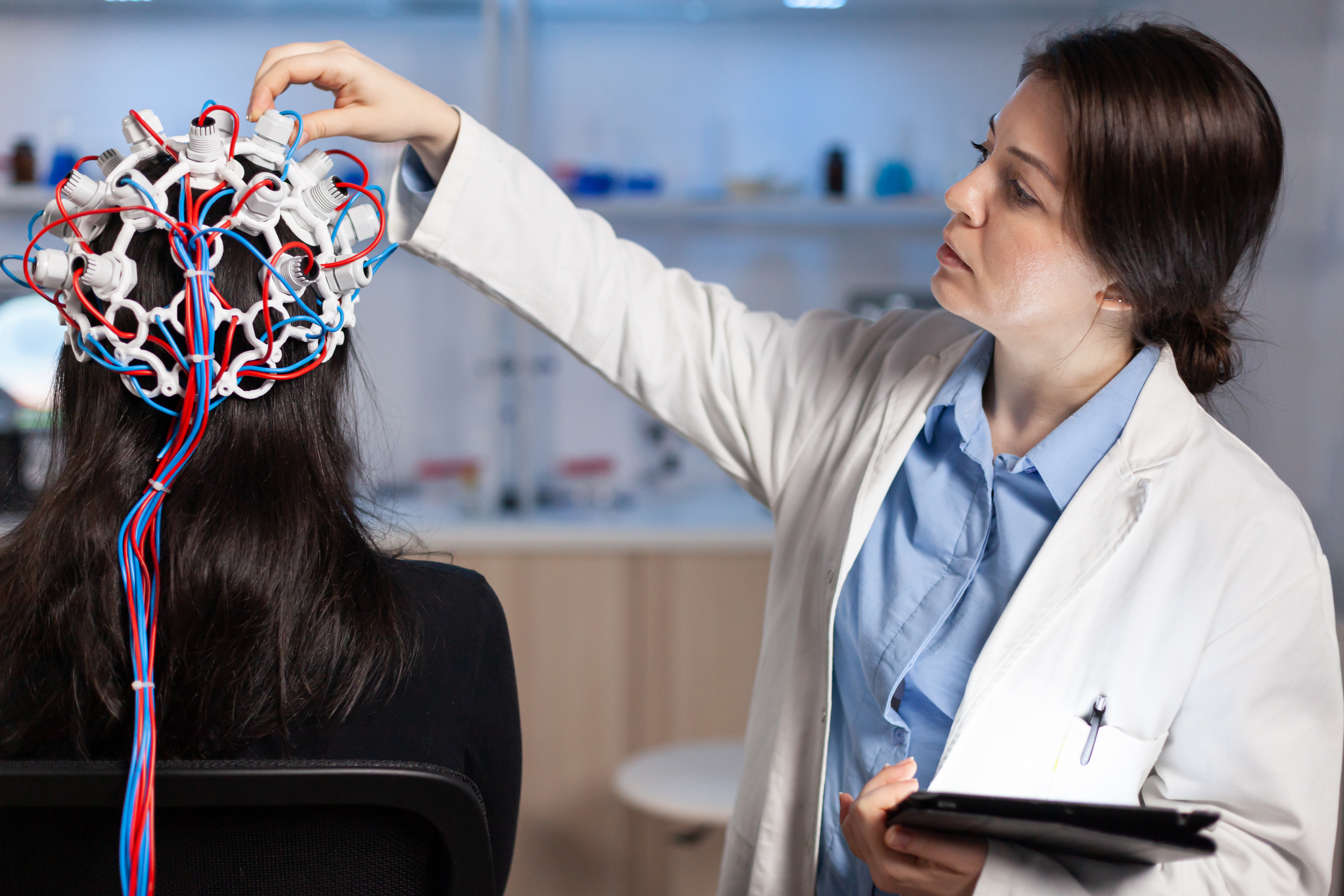
An EEG (Electroencephalogram) is a diagnostic test that records the electrical activity of the brain. The brain continuously produces electrical signals that help control movement, sensation, thinking, memory and many other neurological functions.
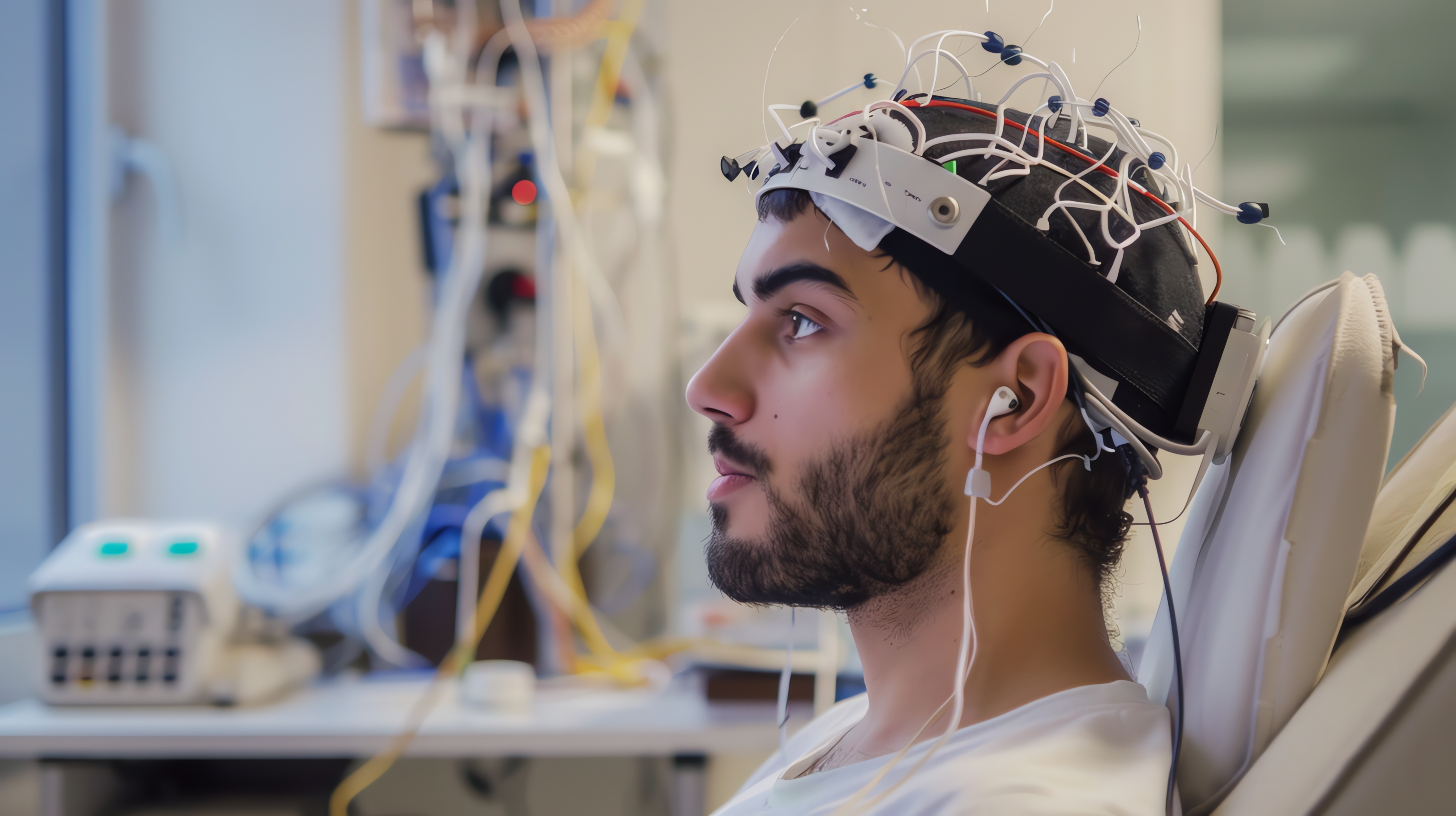
During an EEG examination, small sensors called electrodes are placed on the scalp to record these electrical signals. The test helps healthcare professionals evaluate brain activity and may assist in the assessment of various neurological symptoms and conditions.
Unlike CT scans and X-rays, an EEG does not use radiation. The examination records naturally occurring electrical activity within the brain and is considered a non-invasive neurological investigation.
At AVR Scan Centre, Thiruporur, EEG services are available for patients requiring neurological evaluation as recommended by their healthcare provider.
Patients from Thiruporur, Kelambakkam, Padur, Navalur, Siruseri, Chengalpattu and nearby OMR locations can conveniently access EEG testing services.
What Is an EEG Test?
An EEG, or Electroencephalogram, is a test used to record electrical activity within the brain.
The brain contains millions of nerve cells that communicate through electrical signals. These signals create patterns known as brain waves.
An EEG records these brain waves using electrodes placed on the scalp.
The examination may be used as part of the assessment of:
- Seizures
- Episodes of loss of consciousness
- Unexplained neurological symptoms
- Sleep-related concerns
- Brain function assessment
- Neurological disorders
The results are interpreted by qualified healthcare professionals as part of a comprehensive neurological evaluation.
EEG Test in Thiruporur – Where Can You Get an EEG?
If you are searching for an EEG Test in Thiruporur, AVR Scan Centre provides EEG diagnostic services for patients requiring brain wave recording and neurological assessment.
The centre serves patients from:
- Thiruporur
- Kelambakkam
- Padur
- Navalur
- Siruseri
- Egattur
- Chengalpattu
- OMR Corridor
AVR Scan Centre – Thiruporur:
Ground Floor, No. 27, West Mada Street, Thiruporur, Tamil Nadu – 603110
Before visiting, patients may wish to confirm:
- EEG availability
- Appointment requirements
- Referral requirements
- Previous neurological reports to bring
- Special preparation instructions
Why Might a Doctor Recommend an EEG Test?
An EEG may be recommended when healthcare professionals need information about brain electrical activity.
Doctors may request an EEG when evaluating symptoms such as:
- Seizures
- Blackout episodes
- Loss of consciousness
- Unexplained fainting
- Memory disturbances
- Sleep-related disorders
- Episodes of confusion
- Neurological symptoms requiring further assessment
The exact reason for performing an EEG depends on the patient's symptoms, medical history and clinical findings.
What Can an EEG Show?
An EEG records brain wave activity and may provide information about how the brain is functioning.
Brain Electrical Activity
The test records naturally occurring electrical signals produced by the brain.
Brain Wave Patterns
Different patterns of brain activity can be observed and analyzed.
Changes in Brain Function
The examination may help identify changes in brain electrical activity that require further clinical evaluation.
Neurological Assessment
EEG findings may contribute to the assessment of various neurological symptoms and conditions.
Sleep-Related Brain Activity
Certain EEG studies may evaluate brain activity during sleep or sleep-related conditions.
What Conditions Can an EEG Help Evaluate?
An EEG is commonly used as part of neurological assessment.
Depending on the clinical situation, it may contribute to the evaluation of:
- Epilepsy
- Seizure disorders
- Blackout episodes
- Loss of consciousness
- Certain sleep disorders
- Neurological symptoms
- Brain function abnormalities
- Selected neurological conditions
The examination is only one part of the overall diagnostic process and is interpreted together with other clinical findings.
How Does an EEG Test Work?
An EEG works by recording electrical signals generated by brain cells.
Small electrodes are placed on the scalp using a conductive gel or paste.
These electrodes do not produce electricity.
Instead, they detect and record electrical activity already present within the brain.
The recorded signals are displayed as waveforms that can be analyzed by healthcare professionals.
Because the test measures naturally occurring brain activity, it is completely non-invasive and does not expose patients to radiation.
What Happens During an EEG Test?
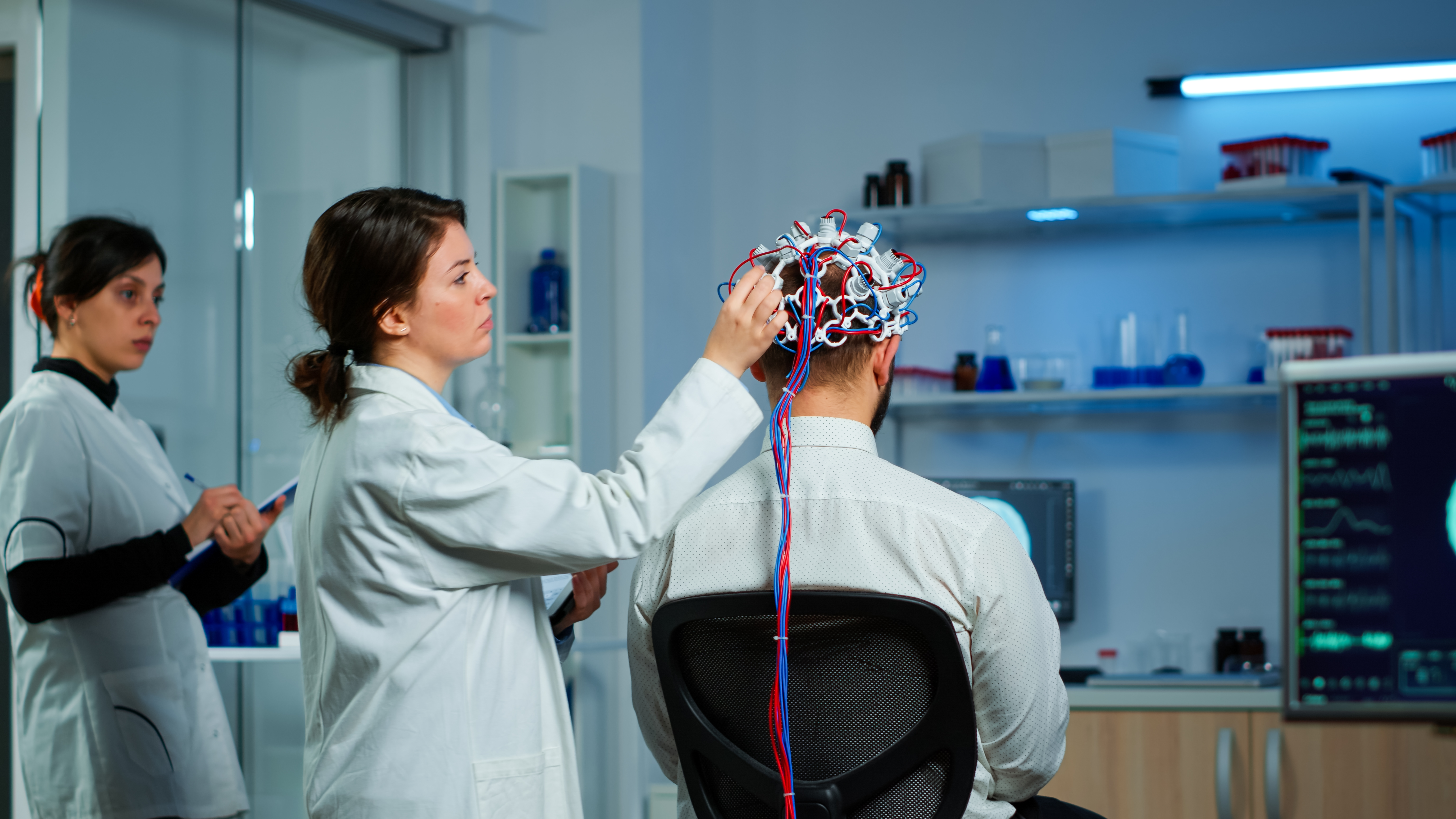
During an EEG examination, the patient is usually asked to sit or lie comfortably while electrodes are attached to the scalp.
The healthcare professional carefully positions the electrodes at specific locations to ensure accurate recording of brain activity.
Once the recording begins, the patient is generally asked to remain relaxed and still.
Depending on the type of EEG being performed, patients may be asked to:
- Open and close their eyes
- Breathe deeply for a short period
- Look at flashing lights
- Remain awake or sleep during the recording
These activities help evaluate different aspects of brain electrical activity.
The procedure is painless and does not involve injections or surgery.
How Should You Prepare for an EEG Test?
Proper preparation can help improve the quality of EEG recordings and ensure that the examination proceeds smoothly.
Patients are generally advised to arrive with clean hair because EEG electrodes need to make good contact with the scalp.
Before the examination, patients may be advised to:
- Wash their hair thoroughly before the appointment
- Avoid applying hair oil, gel, spray or styling products
- Follow medication instructions provided by their doctor
- Bring previous neurological reports if available
- Inform the healthcare team about current medications
- Discuss any recent neurological symptoms
Some EEG studies may require specific preparation, such as sleep deprivation or altered sleep schedules. If special preparation is required, the healthcare team will provide detailed instructions before the appointment.
Bringing previous investigations may also help with interpretation and comparison.
These may include:
- Previous EEG reports
- MRI reports
- CT Scan reports
- Neurology consultation records
- Hospital discharge summaries
Does an EEG Use Radiation?
No.
An EEG does not use X-rays, CT technology or ionizing radiation.
The examination records naturally occurring electrical signals generated by the brain through electrodes placed on the scalp.
Unlike imaging investigations such as CT scans, an EEG does not expose the patient to radiation.
Because the test simply records electrical activity, it is considered a non-invasive neurological investigation.
Is an EEG Safe?
Yes.
An EEG is generally considered a safe diagnostic procedure and has been used in neurological assessment for many decades.
The examination records brain activity without introducing electricity into the body.
The electrodes only detect electrical signals and do not deliver electrical current to the patient.
The procedure does not involve:
- Radiation exposure
- Surgery
- Needles
- Sedation in most routine EEG studies
For most patients, EEG is well tolerated and can be performed safely when clinically indicated.
Is an EEG Painful?
No.
An EEG is generally painless.
During the examination, electrodes are attached to the scalp using a conductive paste or adhesive material.
The patient may feel mild pressure while the electrodes are being applied, but the procedure itself does not cause pain.
There are:
- No injections
- No incisions
- No surgical instruments
- No electrical shocks
Most patients remain comfortable throughout the examination.
Can an EEG Detect Epilepsy?
An EEG is one of the most commonly used investigations in the evaluation of epilepsy and seizure disorders.
The examination records brain wave patterns that may provide information about abnormal electrical activity associated with seizures.
However, it is important to understand that:
- A normal EEG does not completely rule out epilepsy.
- An abnormal EEG alone does not confirm epilepsy in every case.
- Results must be interpreted alongside symptoms and clinical findings.
Doctors use EEG findings together with:
- Medical history
- Witness descriptions of seizure events
- Neurological examination
- Brain imaging studies
- Additional investigations when required
The diagnosis of epilepsy is based on comprehensive clinical evaluation rather than EEG findings alone.
Can an EEG Detect Brain Tumors?
An EEG is not designed to directly visualize brain tumors.
Unlike MRI and CT scans, EEG does not create images of the brain.
Instead, it records electrical activity occurring within the brain.
In some situations, brain abnormalities may influence electrical activity and produce EEG changes, but the examination cannot determine the exact cause of those changes.
When structural abnormalities such as tumors are suspected, doctors often recommend imaging studies such as:
- MRI Scan
- CT Scan
- Advanced neurological imaging
EEG and brain imaging studies provide different types of information and are often complementary investigations.
Can an EEG Detect Sleep Disorders?
Certain EEG studies may contribute to the evaluation of sleep-related conditions.
Because brain activity changes during different stages of sleep, EEG recording can provide information about sleep patterns and neurological activity during sleep.
Depending on the clinical situation, healthcare professionals may use EEG as part of the assessment of:
- Sleep-related neurological disorders
- Abnormal sleep behaviors
- Sleep-associated seizure disorders
- Certain disturbances of consciousness during sleep
The exact role of EEG depends on the patient's symptoms and the specific condition being investigated.
Can an EEG Detect Memory Problems?
An EEG is not typically used as a primary test for diagnosing memory disorders.
However, in some situations, healthcare professionals may use EEG when evaluating neurological symptoms that include:
- Memory disturbances
- Episodes of confusion
- Altered awareness
- Cognitive changes
The examination may help identify abnormalities in brain electrical activity that require further evaluation.
Assessment of memory-related concerns often involves multiple investigations and specialist clinical assessment.
How Long Does an EEG Test Take?
The duration of an EEG examination depends on the type of study being performed.
Routine EEG recordings are often completed within a relatively short period, while specialized studies may require longer recording times.
The overall appointment may include:
- Registration
- Preparation
- Electrode placement
- Recording phase
- Electrode removal
Patients should allow sufficient time for the appointment and follow any instructions provided by the diagnostic centre.
EEG vs MRI – What Is the Difference?
Although both tests are used in neurological evaluation, they provide very different information.
| EEG | MRI Scan |
|---|---|
| Records brain electrical activity | Creates detailed images of brain structures |
| Measures brain wave patterns | Evaluates anatomy and tissue structures |
| Does not produce brain images | Produces high-resolution images |
| Helps assess neurological function | Helps assess structural abnormalities |
| Uses scalp electrodes | Uses magnetic resonance technology |
Doctors may recommend one or both investigations depending on the clinical question being evaluated.
What Are the Limitations of an EEG?
Like all medical investigations, EEG has certain limitations.
Although it provides valuable information about brain electrical activity, it does not directly visualize brain structures.
Some limitations include:
- Does not produce anatomical brain images
- Cannot directly identify all neurological conditions
- May not detect abnormalities occurring outside the recording period
- Results require expert interpretation
- Additional investigations may sometimes be necessary
Healthcare professionals often interpret EEG findings together with:
- Clinical examination
- Neurological history
- MRI findings
- CT findings
- Laboratory investigations
- Specialist neurological assessment
This combined approach helps provide a more comprehensive understanding of neurological health.
EEG vs CT Scan – What Is the Difference?
An EEG and CT Scan serve different purposes in neurological diagnosis.
| EEG | CT Scan |
|---|---|
| Records electrical activity | Creates cross-sectional images |
| Evaluates brain function | Evaluates brain structure |
| No radiation | Uses X-rays |
| Assesses brain wave patterns | Assesses anatomical abnormalities |
| Functional neurological test | Structural imaging examination |
Both investigations provide valuable but different information and may be used together when clinically appropriate.
What Happens After an EEG Test?
Once the EEG recording has been completed, the electrodes are removed from the scalp and the patient can typically return to normal daily activities unless advised otherwise by their doctor.
The recorded brain wave data is reviewed as part of the patient's neurological assessment.
The EEG findings are interpreted together with:
- Medical history
- Neurological symptoms
- Physical examination findings
- Previous EEG reports
- MRI Scan findings
- CT Scan findings
- Neurologist recommendations
Because EEG evaluates brain electrical activity, the results help healthcare professionals understand whether additional neurological investigations or follow-up may be necessary.
Depending on the clinical situation, the doctor may recommend:
- Routine follow-up
- Additional neurological testing
- Brain imaging studies
- Specialist consultation
- Ongoing monitoring
Patients should always discuss EEG findings with their healthcare provider rather than attempting to interpret the recordings independently.
Why Choose AVR Scan Centre for an EEG Test in Thiruporur?
When looking for an EEG Test in Thiruporur, patients often prefer a diagnostic centre that provides accessible neurological testing and comprehensive diagnostic support.
AVR Scan Centre offers EEG services for patients requiring brain wave recording and neurological evaluation as recommended by their healthcare provider.
Convenient Location in Thiruporur
The centre serves patients from:
- Thiruporur
- Kelambakkam
- Padur
- Navalur
- Siruseri
- Egattur
- Chengalpattu
- Nearby OMR locations
Its location makes it convenient for patients seeking neurological diagnostic services close to home.
Neurological Diagnostic Support
EEG testing is commonly used as part of neurological assessment and brain function evaluation.
The examination may contribute to the assessment of:
- Seizure disorders
- Epilepsy evaluation
- Loss of consciousness
- Blackout episodes
- Sleep-related neurological concerns
- Brain function assessment
Comprehensive Diagnostic Services
In addition to EEG services, AVR Scan Centre provides a wide range of diagnostic investigations, including:
- MRI Scan 1.5T
- MultiSlice 3D Spiral CT Scan
- Omicron Covid CT Scan
- Ultrasound Scan
- X-Ray
- 3D/4D Obstetric Ultrasound
- Computerized ECG
- Echo Cardiogram
- Treadmill Test (TMT)
- Pulmonary Function Test (PFT)
- Lab Services
- Preventive Master Health Checkup
- Digital Mammogram
- SonoMammography
- OPG
Patient-Focused Care
Patients can contact the centre before visiting to confirm:
- Appointment availability
- Preparation requirements
- Referral requirements
- EEG availability
- Additional neurological investigations
What Should You Check Before Booking an EEG Test in Thiruporur?
Before scheduling an EEG examination, it is useful to understand why the test has been recommended and whether any special preparation is required.
Patients may wish to confirm:
- The purpose of the EEG
- Appointment availability
- Sleep deprivation requirements if applicable
- Referral requirements
- Previous reports to bring
- Additional investigations recommended by the doctor
Bringing previous neurological investigations can be helpful for comparison and follow-up evaluation.
These may include:
- Previous EEG reports
- MRI reports
- CT Scan reports
- Neurology consultation records
- Hospital discharge summaries
Providing accurate clinical information can help healthcare professionals perform a more informed neurological assessment.
Frequently Asked Questions About EEG Test in Thiruporur
An EEG (Electroencephalogram) is a diagnostic test that records the electrical activity of the brain using electrodes placed on the scalp.
AVR Scan Centre provides EEG services for patients seeking neurological assessment and brain wave recording in Thiruporur and nearby OMR locations.
No. EEG records brain electrical activity and does not use X-rays or ionizing radiation.
No. EEG is a non-invasive and generally painless examination that involves placing electrodes on the scalp.
EEG is commonly used as part of the evaluation of epilepsy and seizure disorders by recording brain wave activity.
EEG does not directly visualize brain tumors. MRI and CT scans are typically used to evaluate structural brain abnormalities.
Certain EEG studies may contribute to the assessment of sleep-related neurological conditions and abnormal brain activity during sleep.
The duration varies depending on the type of EEG study being performed. Routine EEG examinations are often completed within a relatively short period.
EEG records brain electrical activity, whereas MRI creates detailed images of brain structures.
Patients may be advised to arrive with clean hair and avoid applying hair products before the examination. Additional instructions may be provided depending on the type of EEG being performed.
Get Your EEG Test in Thiruporur at AVR Scan Centre
An EEG (Electroencephalogram) is an important neurological diagnostic test that helps healthcare professionals evaluate brain electrical activity and assess a variety of neurological symptoms and conditions.
Whether your doctor has recommended an EEG because of seizures, blackout episodes, unexplained neurological symptoms, sleep-related concerns or as part of ongoing neurological evaluation, understanding the purpose of the examination can help you feel informed and prepared.
At AVR Scan Centre, patients can access EEG Test services in Thiruporur for brain wave recording and neurological assessment.
Patients from Thiruporur, Kelambakkam, Padur, Navalur, Siruseri, Egattur, Chengalpattu and surrounding OMR locations can conveniently access EEG diagnostic services.
Before your visit, contact the centre to confirm:
- Appointment availability
- EEG preparation requirements
- Referral requirements
- Additional neurological investigations
- Service availability
Contact AVR Scan Centre to enquire about the EEG examination recommended by your doctor and confirm appointment availability.
AVR Scan Centre – Thiruporur
Ground Floor, No. 27, West Mada Street, Thiruporur, Tamil Nadu – 603110
