
Treadmill Test in Thiruporur
TMT at AVR Scan Centre
If your doctor has recommended a Treadmill Test in Thiruporur, you may want to understand what the examination is, why it is performed, what it can detect, whether it is safe, how to prepare and what happens during the procedure.
A Treadmill Test (TMT), also known as an Exercise Stress Test, is a cardiac investigation used to evaluate how the heart responds to physical activity. While a resting ECG records the heart's electrical activity when the body is at rest, a Treadmill Test assesses the heart during controlled exercise.
As physical activity increases, the heart requires more oxygen and blood supply. A TMT helps healthcare professionals observe changes in heart rate, heart rhythm, blood pressure and ECG patterns while the patient exercises on a treadmill.
At AVR Scan Centre, Thiruporur, Treadmill Test services are available for patients requiring cardiac stress assessment as recommended by their healthcare provider.
Patients from Thiruporur, Kelambakkam, Padur, Navalur, Siruseri, Chengalpattu and nearby OMR locations can conveniently access TMT services.
What Is a Treadmill Test?
A Treadmill Test is a cardiac examination that evaluates the heart's response to physical exertion.
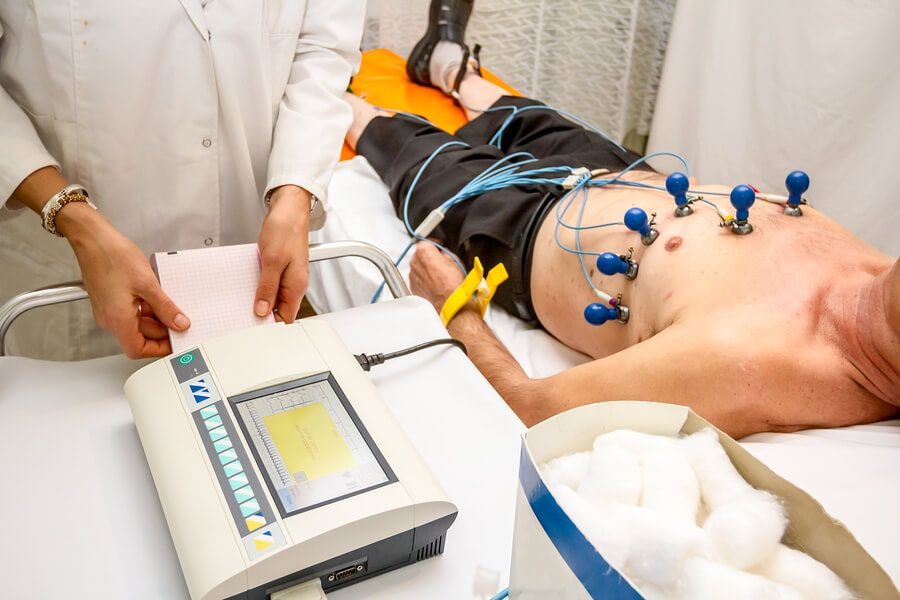
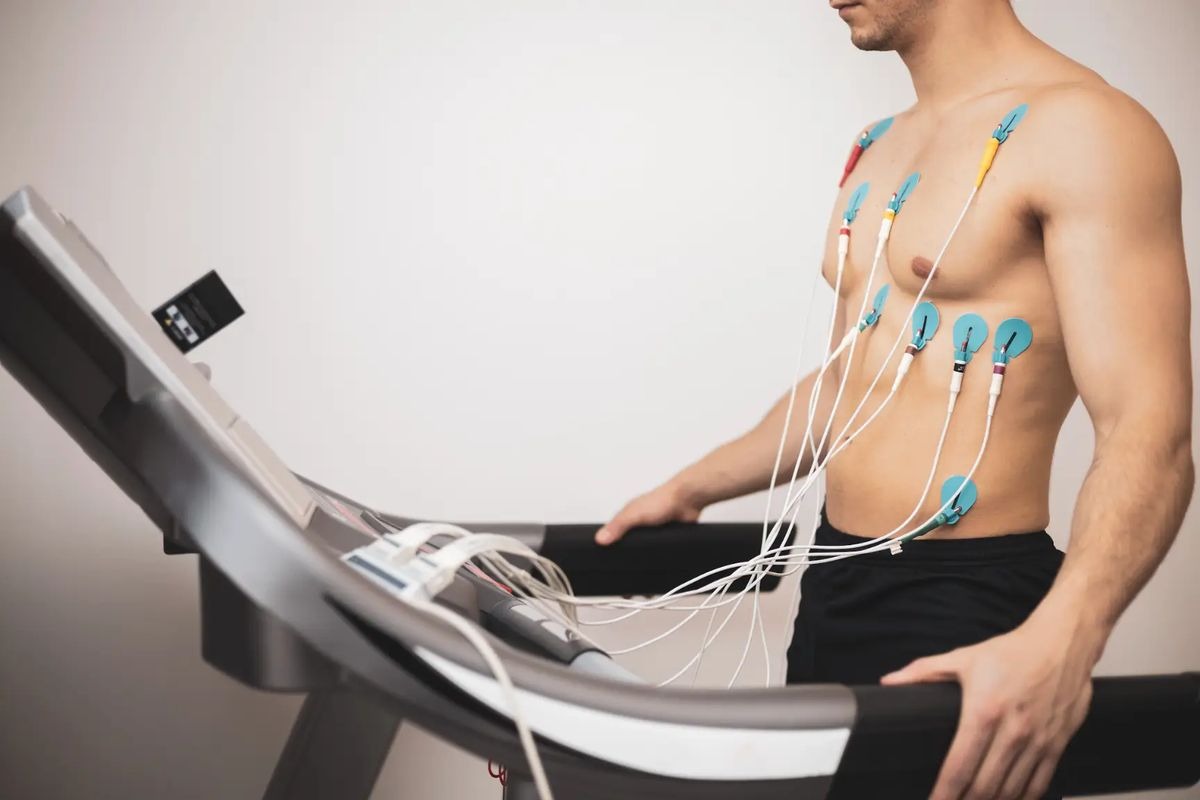
During the test, the patient walks on a treadmill while heart activity is continuously monitored using ECG electrodes.
The exercise intensity gradually increases according to a standardized protocol. Throughout the examination, healthcare professionals monitor:
- Heart rate
- Heart rhythm
- ECG changes
- Blood pressure
- Exercise tolerance
The test provides information about how the cardiovascular system performs during physical stress and may assist doctors in evaluating certain heart-related symptoms and conditions.
Treadmill Test in Thiruporur – Where Can You Get a TMT Test?
If you are searching for a Treadmill Test in Thiruporur, AVR Scan Centre provides TMT services for patients requiring exercise-based cardiac evaluation.
The centre serves patients from:
- Thiruporur
- Kelambakkam
- Padur
- Navalur
- Siruseri
- Egattur
- Chengalpattu
- OMR Corridor
Before visiting, patients may wish to confirm:
- TMT availability
- Appointment requirements
- Doctor referral requirements
- Previous cardiac reports to bring
- Additional cardiac investigations requested by the doctor
AVR Scan Centre – Thiruporur:
Address:
Ground Floor, No. 27, West Mada Street, Thiruporur, Tamil Nadu – 603110.
Why Might a Doctor Recommend a Treadmill Test?
A doctor may recommend a Treadmill Test when evaluating symptoms that occur during physical activity or when additional information is needed about cardiovascular performance.
The test may be requested when assessing:
- Chest discomfort during exertion
- Breathlessness during activity
- Exercise intolerance
- Palpitations during exercise
- Cardiovascular fitness
- Follow-up of certain cardiac conditions
- Assessment of exercise-related symptoms
- Evaluation of cardiovascular risk factors
The exact reason for recommending a TMT depends on the patient's symptoms, medical history and clinical findings.
What Can a Treadmill Test Show?
A Treadmill Test provides information about how the cardiovascular system responds to increasing levels of physical activity.
Heart Rate Response
The examination evaluates how the heart rate changes during exercise and recovery.
Heart Rhythm Assessment
The test can help identify certain rhythm abnormalities that may occur during physical activity.
Exercise Capacity
Doctors may assess how well a patient tolerates increasing exercise intensity.
Blood Pressure Response
Blood pressure is monitored during exercise to observe cardiovascular response.
Exercise-Related Symptoms
The test may help correlate symptoms such as chest discomfort or breathlessness with exercise activity.
Cardiac Stress Assessment
The examination provides information about how the heart performs under controlled physical stress.
What Conditions Can a Treadmill Test Help Evaluate?
A Treadmill Test is often used as part of the assessment of cardiovascular symptoms and exercise-related concerns.
Depending on the clinical situation, it may contribute to the evaluation of:
- Suspected coronary artery disease
- Exercise-induced chest discomfort
- Exercise-related breathlessness
- Exercise-induced arrhythmias
- Cardiovascular fitness assessment
- Certain cardiac follow-up evaluations
- Exercise tolerance assessment
The findings are interpreted together with the patient's symptoms, physical examination and other cardiac investigations.
How Does a Treadmill Test Work?
A Treadmill Test combines exercise with continuous cardiac monitoring.
Before the exercise begins, ECG electrodes are attached to the patient's chest to record heart activity.
The patient then begins walking on a treadmill at a slow speed.
As the test progresses, the treadmill speed and incline gradually increase according to a structured protocol.
Throughout the examination, healthcare professionals monitor:
- ECG changes
- Heart rhythm
- Heart rate
- Blood pressure
- Patient symptoms
The goal is to observe how the heart responds to increasing levels of physical activity under controlled conditions.
What Happens During a Treadmill Test?
A Treadmill Test is performed under the supervision of trained healthcare professionals.
The examination usually begins with a resting ECG and blood pressure measurement.
Once monitoring equipment is in place, the patient starts walking on the treadmill.
The exercise intensity increases gradually while heart activity and blood pressure are continuously monitored.
Patients are encouraged to report any symptoms they experience during the examination, including:
- Chest discomfort
- Dizziness
- Breathlessness
- Fatigue
- Palpitations
After the exercise phase, monitoring continues during the recovery period before the examination is completed.
How Should You Prepare for a Treadmill Test?
Proper preparation can help ensure that the Treadmill Test is completed safely and that the results accurately reflect the heart's response to exercise.
Patients are generally advised to wear comfortable clothing and walking shoes suitable for physical activity.
Before the test, it may be helpful to:
- Follow any instructions provided by the doctor
- Wear loose and comfortable clothing
- Avoid heavy meals immediately before the examination
- Bring previous cardiac reports if available
- Inform the healthcare team about current medications
- Discuss any recent illness or symptoms
Patients should never stop prescribed medications unless specifically instructed by their treating doctor.
Bringing previous investigations may also help with comparison and interpretation.
These may include:
- ECG reports
- Echo Cardiogram reports
- Previous TMT reports
- Cardiology consultation notes
- Relevant laboratory investigations
Does a Treadmill Test Use Radiation?
No.
A Treadmill Test does not use ionizing radiation.
Unlike CT scans, X-rays or nuclear medicine studies, a TMT evaluates the heart using ECG monitoring during exercise.
The examination records electrical activity generated by the heart while the patient walks on a treadmill.
Because no radiation is involved, the test is commonly used as part of cardiovascular assessment when clinically indicated.
Is a Treadmill Test Safe?
For appropriately selected patients, a Treadmill Test is generally considered a safe and widely performed cardiac investigation.
The examination is conducted under controlled conditions with continuous monitoring of:
- Heart rate
- ECG activity
- Blood pressure
- Patient symptoms
Healthcare professionals supervise the entire procedure and can stop the test if necessary.
Before recommending a TMT, doctors consider:
- Medical history
- Existing heart conditions
- Symptoms
- Physical fitness level
- Overall health status
The decision to perform the examination is always based on individual clinical assessment.
Is a Treadmill Test Painful?
A Treadmill Test is generally not painful.
The procedure does not involve:
- Injections
- Surgery
- Sedation
- Invasive instruments
Patients simply walk on a treadmill while ECG electrodes monitor heart activity.
Some individuals may experience normal exercise-related sensations such as:
- Increased heart rate
- Sweating
- Mild fatigue
- Shortness of breath during exertion
Patients should immediately inform the healthcare team if they experience symptoms such as chest discomfort, dizziness or significant breathlessness during the examination.
Can a Treadmill Test Detect Heart Disease?
A Treadmill Test may contribute to the evaluation of certain heart conditions by assessing how the heart responds to exercise.
The test can provide useful information about:
- Exercise tolerance
- Heart rhythm during exertion
- Heart rate response
- Exercise-induced symptoms
- ECG changes during activity
However, a TMT alone does not diagnose every form of heart disease.
The results are interpreted together with:
- Medical history
- Physical examination
- ECG findings
- Echocardiography
- Laboratory investigations
- Other cardiac imaging studies when required
A complete cardiac assessment often involves multiple sources of clinical information.
Can a Treadmill Test Detect Blocked Arteries?
A Treadmill Test does not directly visualize coronary arteries.
Instead, it evaluates how the heart performs during exercise and may identify findings that suggest reduced blood flow to the heart muscle during physical activity.
In some situations, abnormal exercise-related ECG changes or symptoms may prompt additional cardiac investigations.
Depending on the clinical scenario, doctors may recommend:
- Echocardiography
- CT Coronary Angiography
- Cardiac MRI
- Nuclear cardiac imaging
- Conventional coronary angiography
The appropriate investigation depends on the patient's symptoms and cardiovascular risk profile.
Who Should Not Undergo a Treadmill Test?
A Treadmill Test may not be appropriate for every patient.
Certain medical conditions may require postponement of the examination or selection of an alternative cardiac investigation.
The suitability of a TMT is determined by the treating doctor after reviewing:
- Symptoms
- Medical history
- Current health status
- Physical condition
- Existing cardiac diagnoses
Patients should always discuss any concerns with their healthcare provider before the examination.
How Long Does a Treadmill Test Take?
The duration of a Treadmill Test varies depending on the patient's exercise capacity and the specific testing protocol being used.
The appointment typically includes:
- Registration
- Preparation
- ECG electrode placement
- Resting measurements
- Exercise phase
- Recovery monitoring
While the active exercise portion may be relatively short, the overall appointment usually takes longer because monitoring continues after exercise has been completed.
Patients should allow sufficient time for the examination and follow the instructions provided by the diagnostic centre.
Treadmill Test vs ECG – What Is the Difference?
Although both tests evaluate heart activity, they serve different purposes.
| Treadmill Test (TMT) | ECG |
|---|---|
| Performed during exercise | Performed at rest |
| Assesses heart response to physical activity | Records heart activity at a single point in time |
| Evaluates exercise tolerance | Evaluates resting electrical activity |
| May reveal exercise-related abnormalities | Useful for baseline heart rhythm assessment |
| Includes blood pressure monitoring during exercise | Typically completed within a few minutes |
These examinations often complement each other rather than replace one another.
Treadmill Test vs Echo Cardiogram – What Is the Difference?
A Treadmill Test and an Echo Cardiogram evaluate different aspects of heart health.
| Treadmill Test | Echo Cardiogram |
|---|---|
| Evaluates heart response during exercise | Creates ultrasound images of the heart |
| Uses ECG monitoring | Uses ultrasound technology |
| Assesses exercise-related symptoms | Assesses heart structure and function |
| Evaluates exercise tolerance | Evaluates valves, chambers and pumping function |
| Focuses on cardiovascular response to stress | Focuses on cardiac anatomy and movement |
Doctors may recommend one or both examinations depending on the clinical question being investigated.
What Are the Limitations of a Treadmill Test?
Like all medical investigations, a Treadmill Test has limitations.
Although it provides valuable information regarding exercise-related cardiac function, it does not directly visualize the heart or coronary arteries.
Limitations may include:
- Does not provide anatomical images of the heart
- Does not directly identify coronary artery blockages
- Some patients may be unable to exercise adequately
- Additional tests may sometimes be required
- Results must be interpreted within the clinical context
Healthcare professionals often combine TMT findings with:
- ECG results
- Echo Cardiogram findings
- Clinical examination
- Cardiac imaging studies
- Laboratory investigations
This comprehensive approach helps improve diagnostic accuracy.
What Happens After a Treadmill Test?
Once the Treadmill Test has been completed, the exercise phase is followed by a recovery period during which the patient's heart rate, blood pressure and ECG activity continue to be monitored.
The recovery phase is an important part of the examination because it allows healthcare professionals to observe how the cardiovascular system returns to its resting state after physical exertion.
The results are reviewed alongside:
- Medical history
- Current symptoms
- Physical examination findings
- Resting ECG results
- Echo Cardiogram findings
- Previous cardiac investigations
- Cardiologist recommendations
The TMT findings help doctors understand how the heart responds to exercise and whether additional evaluation may be required.
Depending on the clinical situation, the doctor may recommend:
- Routine follow-up
- Lifestyle modifications
- Further cardiac testing
- Additional imaging investigations
- Specialist cardiac consultation
Patients should always discuss the results with their healthcare provider, who can explain the findings in the context of their overall health condition.
Why Choose AVR Scan Centre for a Treadmill Test in Thiruporur?
When looking for a Treadmill Test in Thiruporur, patients often seek a diagnostic centre that offers convenient access, reliable cardiac diagnostic services and comprehensive healthcare support.
AVR Scan Centre provides TMT services for patients who require exercise-based cardiac assessment as recommended by their doctor.
Convenient Location in Thiruporur
The centre serves patients from:
- Thiruporur
- Kelambakkam
- Padur
- Navalur
- Siruseri
- Egattur
- Chengalpattu
- Nearby OMR locations
Its strategic location makes it accessible for patients seeking cardiac diagnostic services close to home.
Comprehensive Cardiac Assessment Support
Treadmill Testing is commonly performed as part of a broader cardiac evaluation.
The examination may provide useful information regarding:
- Exercise tolerance
- Heart rate response
- Exercise-induced symptoms
- Cardiac rhythm changes
- Blood pressure response during activity
Multiple Diagnostic Services Under One Roof
In addition to Treadmill Testing, AVR Scan Centre offers a wide range of diagnostic investigations, including:
- MRI Scan 1.5T
- MultiSlice 3D Spiral CT Scan
- Omicron Covid CT Scan
- Ultrasound Scan
- X-Ray
- 3D/4D Obstetric Ultrasound
- Computerized ECG
- Echo Cardiogram
- EEG
- Pulmonary Function Test (PFT)
- Lab Services
- Preventive Master Health Checkup
- Digital Mammogram
- SonoMammography
- OPG
Patient-Centered Diagnostic Care
Patients can contact the centre before visiting to confirm:
- Appointment availability
- Examination requirements
- Referral requirements
- Additional cardiac investigations
- Preparation instructions
What Should You Check Before Booking a Treadmill Test in Thiruporur?
Before scheduling a TMT, it is helpful to understand why the examination has been recommended and whether any supporting documents are needed.
Patients may wish to confirm:
- The purpose of the examination
- Appointment availability
- Doctor referral requirements
- Medication instructions
- Previous reports to bring
- Additional cardiac investigations recommended
Bringing previous cardiac reports can assist with comparison and interpretation.
These may include:
- Previous ECG reports
- Echo Cardiogram reports
- Previous TMT reports
- Cardiology consultation notes
- Laboratory investigations
Providing complete clinical information helps healthcare professionals perform a more informed cardiac assessment.
Before You Visit AVR Scan Centre
Confirm the specific TMT examination and preparation requirements with the centre before your appointment.
This can help avoid confusion if different TMT examinations have different preparation or safety requirements.
Do not select a TMT examination solely because of an online search. The examination should match your doctor's clinical recommendation.
Frequently Asked Questions About Treadmill Test in Thiruporur
A Treadmill Test (TMT) is an exercise stress test that evaluates how the heart responds to physical activity while ECG, heart rate and blood pressure are monitored.
AVR Scan Centre provides Treadmill Test services for patients seeking exercise-based cardiac evaluation in Thiruporur and nearby OMR areas.
No. A Treadmill Test does not use X-rays or ionizing radiation. It evaluates heart activity using ECG monitoring during exercise.
No. The examination is generally non-invasive and painless. Patients simply walk on a treadmill while being monitored.
A TMT may contribute to the evaluation of certain heart-related conditions by assessing how the heart performs during exercise, but it is only one component of a complete cardiac assessment.
The test does not directly visualize coronary arteries. However, it may identify findings that suggest reduced blood flow to the heart during exercise.
An ECG records heart activity while the body is at rest, whereas a Treadmill Test evaluates the heart's response during physical exertion.
Preparation instructions may vary. Patients should follow the recommendations provided by their doctor or diagnostic centre before the examination.
The total appointment duration varies, but it generally includes preparation, exercise monitoring and a recovery period after exercise.
Doctors may recommend a TMT for patients requiring evaluation of exercise-related symptoms, cardiovascular fitness or certain cardiac concerns.
Get Your Treadmill Test in Thiruporur at AVR Scan Centre
A Treadmill Test (TMT) is an important cardiac investigation that helps healthcare professionals evaluate how the heart responds to physical activity under controlled conditions.
Whether your doctor has recommended the test because of chest discomfort, exercise-related breathlessness, palpitations, cardiovascular risk assessment or follow-up evaluation, understanding the purpose of the examination can help you feel more informed and prepared.
At AVR Scan Centre, patients can access Treadmill Test services in Thiruporur for exercise-based cardiac assessment and heart health evaluation.
Patients from Thiruporur, Kelambakkam, Padur, Navalur, Siruseri, Egattur, Chengalpattu and surrounding OMR locations can conveniently access TMT services.
Before your visit, contact the centre to confirm:
- Appointment availability
- Test preparation requirements
- Referral requirements
- Additional cardiac investigations
- Service availability
AVR Scan Centre – Thiruporur
Ground Floor, No. 27, West Mada Street, Thiruporur, Tamil Nadu – 603110.
Contact AVR Scan Centre to enquire about the Treadmill Test recommended by your doctor and confirm appointment availability.
