
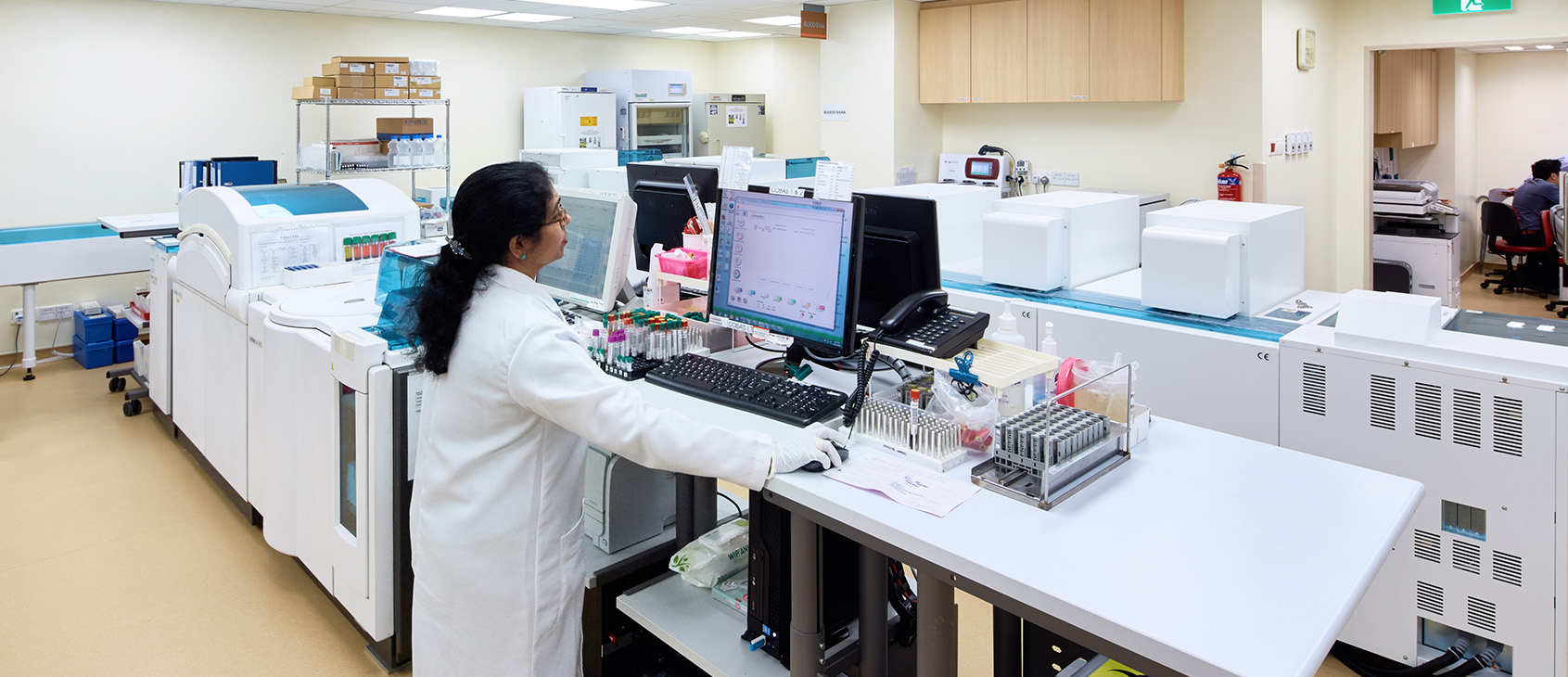
Lab Services in Thiruporur
Diagnostic Testing at AVR Scan Centre
If your doctor has recommended a laboratory test in Thiruporur, you may want to understand what laboratory services involve, why they are performed and how they contribute to healthcare decisions.
Laboratory investigations play an important role in modern medicine. Many medical conditions cannot be fully assessed through symptoms or physical examination alone. Laboratory testing provides objective information that helps healthcare professionals evaluate health, monitor ongoing conditions and support medical decision-making.
Lab services may include a wide range of diagnostic tests such as blood tests, urine tests and preventive health screening investigations.
At AVR Scan Centre, Thiruporur, patients can access laboratory diagnostic services as part of their healthcare and wellness assessment.
Patients from Thiruporur, Kelambakkam, Padur, Navalur, Siruseri, Chengalpattu and nearby OMR locations can conveniently access laboratory testing services.
What Are Lab Services?
Lab services refer to medical investigations performed on biological samples to help evaluate health and support diagnosis, monitoring and preventive care.
Healthcare professionals may request laboratory tests to:
- Assess general health
- Investigate symptoms
- Monitor ongoing conditions
- Evaluate treatment response
- Support preventive healthcare
- Identify health risks
Laboratory testing provides measurable information that helps healthcare providers make informed clinical decisions.
Unlike imaging studies such as MRI or CT scans, laboratory tests analyze biological samples rather than producing images of internal organs.
Lab Services in Thiruporur – Where Can You Get Laboratory Testing?
If you are searching for Lab Services in Thiruporur, AVR Scan Centre provides laboratory diagnostic services for patients requiring routine, preventive and physician-recommended investigations.
The centre serves patients from:
- Thiruporur
- Kelambakkam
- Padur
- Navalur
- Siruseri
- Egattur
- Chengalpattu
- Nearby OMR locations
Before visiting, patients may wish to confirm:
- Test availability
- Sample collection requirements
- Fasting instructions
- Appointment requirements
- Health checkup packages
Why Might a Doctor Recommend Laboratory Tests?
Laboratory investigations are commonly recommended when healthcare professionals need objective information about a patient's health status.
Doctors may request lab tests for:
- Routine health assessment
- Preventive screening
- Evaluation of symptoms
- Monitoring chronic conditions
- Pre-employment examinations
- Pre-procedure assessment
- Wellness checkups
- Follow-up evaluation
The specific tests recommended depend on the patient's symptoms, age, medical history and clinical requirements.
What Types of Lab Tests Are Commonly Performed?
Laboratory services may include a wide range of diagnostic investigations depending on the clinical requirement.
Blood Tests
Blood investigations are among the most commonly performed laboratory tests and may provide information about various body systems.
Urine Tests
Urine analysis may be requested as part of routine screening or diagnostic evaluation.
Health Screening Tests
Preventive testing may help identify certain health risks before symptoms develop.
Wellness Assessments
Health checkups often include a combination of laboratory investigations that evaluate general health.
Doctor-Prescribed Tests
Specific investigations may be requested based on symptoms or medical conditions being evaluated.
What Can Laboratory Tests Help Evaluate?
Laboratory investigations can provide valuable information about many aspects of health.
Depending on the test performed, laboratory assessments may contribute to evaluation of:
- General health status
- Nutritional status
- Organ function
- Blood health
- Metabolic health
- Hormonal balance
- Infection-related investigations
- Preventive health risks
Results are interpreted alongside medical history, symptoms and clinical findings.
How Do Laboratory Tests Work?
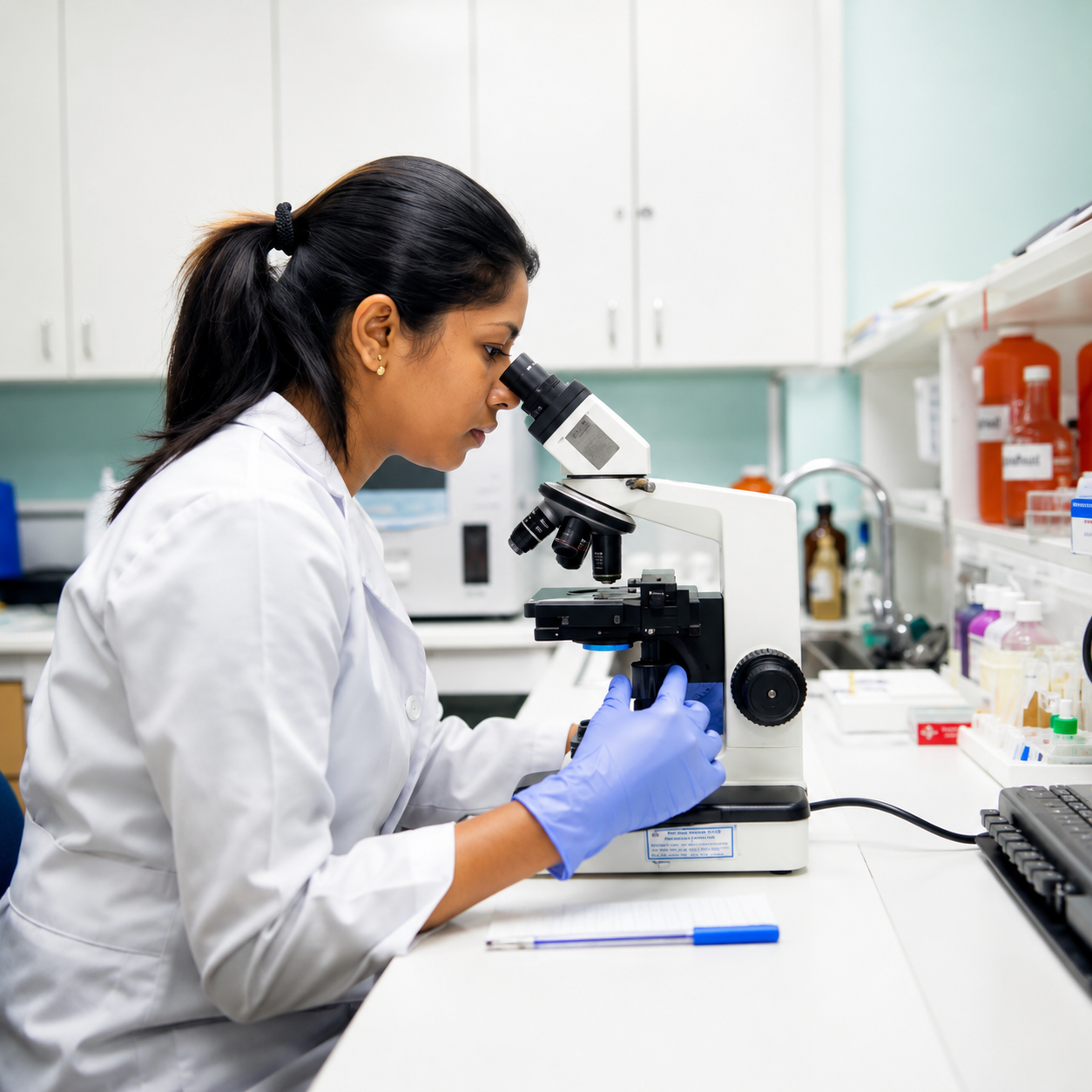
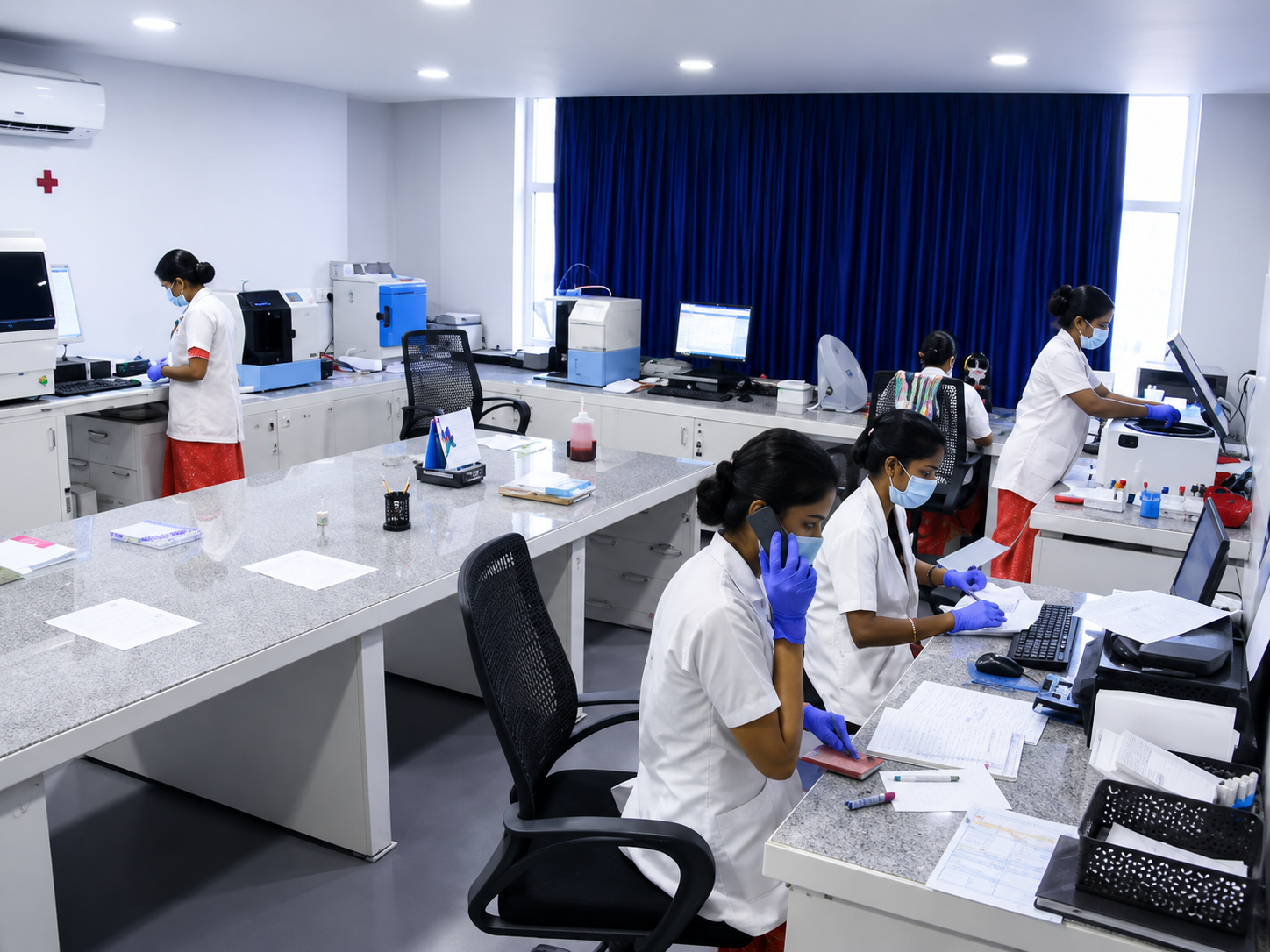
Laboratory testing involves collecting a biological sample and analyzing it using specialized diagnostic equipment and procedures.
Samples may include:
- Blood
- Urine
- Other clinically indicated specimens
The collected sample is processed and analyzed according to the requested investigation.
The resulting measurements provide objective information that healthcare professionals use during medical evaluation.
Different laboratory tests assess different aspects of health, and the significance of the results depends on the clinical context.
What Happens During a Laboratory Test?
The process varies depending on the type of investigation being performed
Registration
Patient information and test requests are reviewed.
Sample Collection
The required sample is collected by trained healthcare personnel.
Laboratory Processing
The sample undergoes analysis using laboratory techniques and equipment.
Quality Verification
Results are reviewed according to laboratory protocols.
Report Generation
The findings are documented and prepared for review by the healthcare provider.
The exact process depends on the specific laboratory investigation being performed.
How Should You Prepare for Laboratory Tests?
Preparation requirements vary depending on the type of laboratory investigation being performed.
Some tests may require fasting, while others can be performed without any special preparation.
Before your laboratory appointment, patients may be advised to:
- Follow instructions provided by the doctor
- Confirm whether fasting is required
- Drink adequate water unless instructed otherwise
- Inform the healthcare team about current medications
- Bring previous laboratory reports if available
- Carry the doctor's prescription when applicable
Following preparation instructions carefully helps ensure accurate and reliable test results.
If you are unsure whether a specific test requires fasting or preparation, contact the laboratory before your visit.
Do Laboratory Tests Use Radiation?
Most laboratory tests do not use radiation.
Laboratory investigations involve the analysis of biological samples such as blood or urine rather than imaging the body.
Unlike:
- X-Rays
- CT Scans
- Mammography
Laboratory tests evaluate samples collected from the body and therefore do not expose patients to ionizing radiation.
This makes laboratory testing one of the most commonly performed and safest forms of medical investigation.
Are Laboratory Tests Safe?
Yes.
Laboratory testing is generally considered safe when performed by trained healthcare professionals using standard procedures.
Most laboratory investigations involve simple sample collection methods.
Depending on the test, this may include:
- Blood collection
- Urine collection
- Other specimen collection methods
Healthcare professionals follow established protocols designed to ensure patient safety and sample accuracy.
For most patients, laboratory testing is a routine healthcare procedure with minimal risk.
Are Blood Tests Painful?
Blood tests are generally associated with only minor and temporary discomfort.
During blood sample collection, a small needle is used to obtain a blood specimen from a vein.
Patients may experience:
- A brief pinching sensation
- Mild discomfort during needle insertion
- Temporary tenderness at the collection site
Most blood tests are completed within a few minutes.
Any discomfort usually resolves quickly after sample collection.
What Is a Fasting Blood Test?
A fasting blood test is a laboratory investigation that requires the patient to avoid food for a specified period before sample collection.
Certain blood tests may be affected by recent food or beverage intake.
For this reason, healthcare professionals may request fasting before specific investigations.
The fasting period varies depending on the test being performed.
Patients should follow the instructions provided by their doctor or laboratory.
Water is often permitted during fasting, but individual instructions may vary.
Always confirm preparation requirements before your appointment.
Can Laboratory Tests Detect Health Problems?
Laboratory investigations can provide valuable information about many aspects of health.
Abnormal results may help healthcare professionals identify changes that require further evaluation.
Depending on the investigation requested, laboratory testing may contribute to the assessment of:
- Blood-related conditions
- Metabolic disorders
- Nutritional deficiencies
- Hormonal imbalances
- Organ function abnormalities
- Infection-related concerns
- General health status
However, laboratory results alone do not establish every diagnosis.
Doctors interpret findings together with:
- Symptoms
- Medical history
- Physical examination
- Imaging studies
- Additional investigations when necessary
Can Laboratory Tests Be Used for Preventive Health Screening?
Yes.
Preventive laboratory testing is commonly used to assess health status even when no symptoms are present.
Many health conditions can develop gradually and may not produce noticeable symptoms during the early stages.
Preventive laboratory investigations may help identify potential health concerns that require medical attention.
Health screening programs often include selected laboratory tests as part of a broader preventive healthcare strategy.
The exact tests recommended depend on factors such as:
- Age
- Medical history
- Family history
- Lifestyle factors
- Clinical recommendations
Does an MRI Scan Use Radiation?
One of the most common questions patients ask is whether MRI uses radiation.
The answer is no. MRI does not use ionizing radiation. Unlike conventional X-rays and CT scans, MRI relies on magnetic fields and radiofrequency waves to generate images. This allows doctors to obtain highly detailed images of internal structures without exposing patients to radiation during the examination.
Because of this characteristic, MRI has become an important imaging tool for evaluating a wide range of neurological, orthopedic, spinal, musculoskeletal, and internal medical conditions.
Although MRI does not use radiation, it should still only be performed when medically appropriate and recommended by a qualified healthcare professional.
How Long Do Laboratory Tests Take?
The time required for laboratory testing depends on the type of investigation being performed.
The appointment itself may include:
Registration and Sample Collection
- Registration
- Sample collection
- Verification procedures
- Processing
Some tests involve simple analysis, while others may require more extensive laboratory processing.
Report Availability
Report availability varies depending on:
- Type of test
- Laboratory workflow
- Complexity of analysis
- Additional verification requirements
Patients can contact the laboratory to enquire about expected report timelines.
Laboratory Tests vs Health Checkups – What Is the Difference?
Although the terms are often used together, laboratory tests and health checkups are not the same.
| Laboratory Tests | Health Checkups |
|---|---|
| Individual diagnostic investigations | Comprehensive health assessment programs |
| Focus on specific measurements | May include multiple tests and evaluations |
| Usually ordered for a particular purpose | Often designed for preventive screening |
| Can be performed independently | Frequently combine laboratory and clinical assessments |
| Provide specific diagnostic information | Provide broader health evaluation |
Laboratory Tests vs Imaging Tests – What Is the Difference?
Laboratory investigations and imaging examinations provide different types of medical information.
| Laboratory Tests | Imaging Tests |
|---|---|
| Analyze biological samples | Create images of internal structures |
| Evaluate physiological and biochemical processes | Evaluate anatomy and structural changes |
| May involve blood or urine samples | May involve MRI, CT, Ultrasound or X-Ray |
| Focus on measurable laboratory values | Focus on visual assessment of organs and tissues |
| Support diagnosis and monitoring | Support structural evaluation |
Doctors often use both laboratory investigations and imaging studies together to obtain a comprehensive understanding of a patient's health.
What Are the Limitations of Laboratory Testing?
Although laboratory investigations provide valuable medical information, they have certain limitations.
A laboratory result should never be interpreted in isolation.
Limitations may include:
- Results may be influenced by preparation requirements
- Some findings require clinical correlation
- Normal results do not always exclude disease
- Abnormal results may require additional evaluation
- Further investigations may sometimes be necessary
Healthcare professionals interpret laboratory findings together with:
- Symptoms
- Medical history
- Physical examination
- Imaging studies
- Specialist evaluations
This integrated approach helps improve diagnostic accuracy and clinical decision-making.
What Happens After Laboratory Testing?
Once the required sample has been collected, it is processed and analyzed according to the specific investigation requested by the healthcare provider.
The laboratory team follows established procedures to ensure accurate sample handling and analysis. Depending on the type of test, the sample may undergo multiple stages of processing before the final report is prepared.
After analysis, the results are compiled into a laboratory report that can be reviewed by your doctor as part of your overall health assessment.
Laboratory findings are generally interpreted alongside:
- Medical history
- Current symptoms
- Physical examination findings
- Previous laboratory reports
- Imaging studies when applicable
- Specialist recommendations
Some results may be straightforward, while others may require additional clinical correlation or follow-up investigations.
Patients should discuss their reports with their healthcare provider rather than attempting to interpret laboratory values independently.
Why Choose AVR Scan Centre for Lab Services in Thiruporur?
When looking for Lab Services in Thiruporur, patients often prefer a diagnostic centre that provides accessible testing, comprehensive healthcare support and multiple diagnostic services under one roof.
AVR Scan Centre offers laboratory diagnostic services for routine testing, preventive screening and doctor-recommended investigations.
Convenient Location in Thiruporur
The centre serves patients from:
- Thiruporur
- Kelambakkam
- Padur
- Navalur
- Siruseri
- Egattur
- Chengalpattu
- Nearby OMR locations
This makes it convenient for patients seeking diagnostic testing close to home.
Wide Range of Laboratory Investigations
Laboratory services support healthcare professionals in evaluating:
- General health status
- Preventive health concerns
- Blood-related investigations
- Urine analysis
- Wellness screening
- Follow-up monitoring
- Physician-recommended diagnostic tests
Support for Preventive Healthcare
Routine laboratory testing plays an important role in preventive healthcare by helping identify potential health concerns before symptoms become significant.
Preventive testing may be useful for:
- Regular health monitoring
- Annual wellness assessments
- Lifestyle-related health evaluation
- Ongoing medical follow-up
Multiple Diagnostic Services Under One Roof
In addition to laboratory services, AVR Scan Centre provides:
- MRI Scan 1.5T
- MultiSlice 3D Spiral CT Scan
- Omicron COVID CT Scan
- Ultrasound Scan
- X-Ray
- 3D/4D Obstetric Ultrasound
- Computerized ECG
- Echo Cardiogram
- Treadmill Test
- EEG
- Pulmonary Function Test (PFT)
- Digital Mammogram
- SonoMammography
- OPG
Patient Guidance Before Testing
Patients can contact the centre before visiting to confirm:
- Test availability
- Fasting requirements
- Appointment requirements
- Sample collection instructions
- Health checkup options
What Should You Check Before Booking Lab Services in Thiruporur?
Before scheduling a laboratory investigation, it is useful to understand the purpose of the test and any preparation requirements.
Patients may wish to confirm:
- Whether fasting is required
- Test availability
- Sample collection requirements
- Appointment requirements
- Report availability timelines
- Whether previous reports should be brought
Bringing previous laboratory reports can help doctors compare results and monitor changes over time.
If your doctor has provided a prescription, carry it with you during your visit.
Following preparation instructions carefully helps improve the reliability of laboratory results.
Frequently Asked Questions About Lab Services in Thiruporur
Laboratory services involve diagnostic testing of biological samples such as blood and urine to help evaluate health and support medical decision-making.
AVR Scan Centre provides laboratory testing services for patients in Thiruporur and nearby OMR locations.
No. Laboratory investigations analyze biological samples and do not use ionizing radiation.
Some blood tests require fasting, while others do not. Preparation depends on the specific test requested by your doctor.
Blood tests generally involve only minor temporary discomfort during sample collection.
Laboratory investigations can provide information that helps healthcare professionals assess various aspects of health and identify findings that may require further evaluation.
The time required depends on the type of test being performed and the complexity of the analysis.
A lab test is an individual investigation, while a health checkup may include multiple laboratory tests and broader health assessments.
Yes. Previous reports may help doctors compare results and evaluate changes over time.
Yes. Preventive laboratory testing is commonly used to assess health status and identify potential concerns before symptoms develop.
Get Your Lab Tests in Thiruporur at AVR Scan Centre
Laboratory investigations are an important part of modern healthcare and help provide objective information about overall health assessment and medical conditions.
Whether your doctor has recommended blood tests, urine analysis, preventive screening or routine health investigations, understanding the purpose of laboratory testing can help you feel informed and prepared.
At AVR Scan Centre, patients can access Lab Services in Thiruporur for diagnostic testing and preventive healthcare assessment.
Patients from Thiruporur, Kelambakkam, Padur, Navalur, Siruseri, Egattur, Chengalpattu and surrounding OMR locations can conveniently access laboratory services.
Before your visit, contact the centre to confirm:
- Test availability
- Fasting requirements
- Appointment requirements
- Sample collection instructions
- Health checkup options
AVR Scan Centre – Thiruporur
Ground Floor, No. 27, West Mada Street, Thiruporur, Tamil Nadu – 603110
Contact AVR Scan Centre to enquire about the laboratory test recommended by your doctor and confirm appointment availability.
